


Best Flowers to Attract Bees and Butterflies

Updated: Sep 13
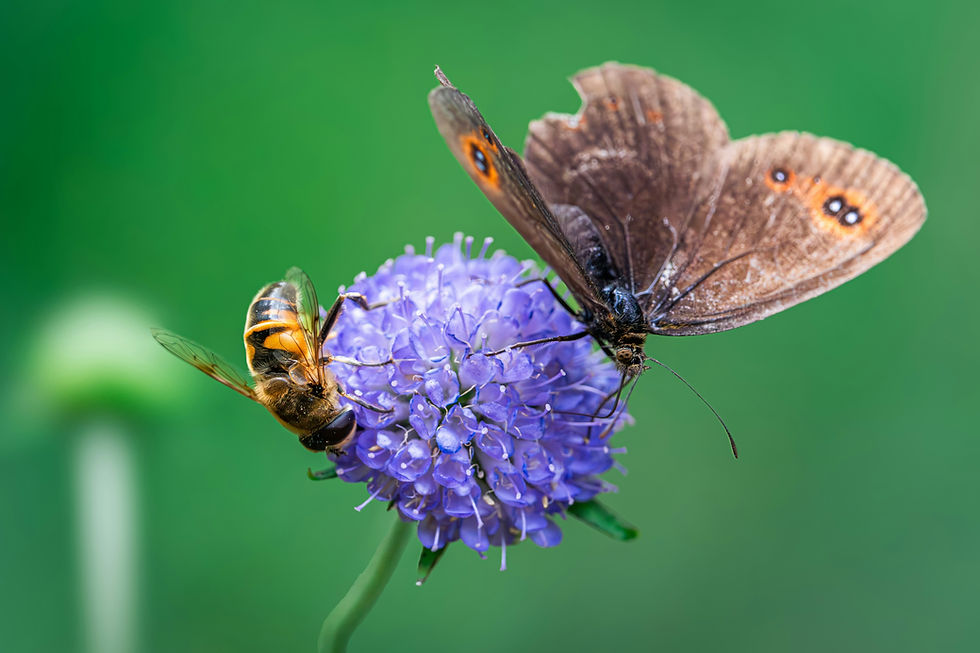
One of the easiest ways to make your garden feel more alive is to plant flowers that bees and butterflies actually want. Not just anything that blooms—but the kinds of plants they’ll come back to over and over again. When you get it right, you don’t have to go looking for pollinators—they’re just there, moving through your garden all day.
And it’s not complicated. A handful of well-chosen plants can completely change how your yard feels. The key is understanding which flowers actually provide nectar and pollen, and which ones are mostly just for looks. Once you start planting with that in mind, you’ll notice the difference pretty quickly.
Why Pollinators Matter
Bees and butterflies are more than just beautiful visitors to your garden. They play an important role in keeping plants healthy and ecosystems balanced. Every time a bee or butterfly moves from one flower to another, it helps transfer pollen, allowing plants to produce seeds, fruit, and new growth.
This process is especially important if you grow a vegetable garden or fruit trees. Many of the foods we enjoy—such as tomatoes, squash, berries, apples, and cucumbers—depend on pollinators to produce a successful harvest.
Pollinators also support the larger environment. Healthy populations of bees and butterflies help maintain plant diversity, which provides food and shelter for other wildlife. Unfortunately, many pollinator species face challenges from habitat loss, pesticide use, and fewer sources of food throughout the year.
Creating a pollinator-friendly garden is a simple way to help. Even a small yard, flower bed, or container garden can provide valuable resources when planted with the right flowers.
What Makes a Flower Attractive to Bees and Butterflies?
Before choosing plants, it helps to understand what pollinators are actually looking for. A flower may be beautiful to us, but that doesn’t always mean it provides what bees and butterflies need.
The best pollinator plants typically offer a combination of nectar, pollen, accessible flower shapes, and a long blooming period.
Nectar and Pollen
Nectar is a flower’s energy source for pollinators. It provides the sugars that give bees and butterflies the fuel they need to fly and search for more food.
Pollen is especially important for bees because it provides protein and nutrients needed to feed developing young bees. Flowers that offer both nectar and pollen are usually much more valuable than purely ornamental varieties.
Flower Shape
The structure of a flower matters more than many gardeners realize.
Bees can crawl into many types of flowers, especially those with open centers or tubular shapes.
Butterflies need flowers where they can easily land and rest while feeding, which is why they often prefer flatter blooms or clusters of smaller flowers.
Bloom Time
A common mistake is planting flowers that all bloom at the same time. While a garden may look amazing for a few weeks, pollinators need food throughout the growing season.
A good pollinator garden includes:
Early spring flowers for newly active insects
Summer blooms when pollinator activity is highest
Late-season flowers that provide food before winter
Lavender: Reliable, Fragrant, and Always Busy

Lavender is one of the most dependable plants you can grow if your goal is attracting bees and butterflies. Its fragrant purple blooms are easy to recognize, but the real value is what those flowers provide.
The small flowers grow along tall spikes, creating many feeding opportunities in one compact area. Bees especially love lavender because they can move quickly from bloom to bloom while collecting nectar and pollen.
Lavender is also a practical choice for many gardens because it is fairly low maintenance once established. It prefers full sun and well-drained soil and actually performs better when it isn’t overwatered.
Growing tips:
Plant in an area that receives at least six hours of sunlight
Avoid heavy, wet soil
Trim after blooming to encourage healthy growth
Beyond helping pollinators, lavender adds fragrance and texture to the garden, making it useful both visually and environmentally.
Coneflowers (Echinacea): Structure and Nectar

Coneflowers are a favorite in pollinator gardens because they provide both beauty and function. Their large, daisy-like blooms feature a raised center filled with tiny individual flowers that contain pollen and nectar.
Bees can easily land on the sturdy center and move across the flower while collecting food.
Butterflies are also attracted to the broad petals, which give them a comfortable place to rest while feeding.
Coneflowers are especially valuable because they are hardy perennials. Once planted, they return year after year and become more established over time.
Why gardeners love them:
Tolerate heat and drought
Bloom for much of the summer
Require very little maintenance
Provide seeds for birds after flowering
Leaving the dried seed heads in place at the end of the season can extend the usefulness of the plant well into fall and winter.
Milkweed: Essential for Monarch Butterflies

Milkweed is one of the most important flowers you can add if you want to support butterflies, especially monarchs. Unlike many nectar plants, milkweed plays a role throughout the butterfly’s entire life cycle.
Adult monarch butterflies lay their eggs on milkweed plants because the leaves provide the only food their caterpillars can eat. Without milkweed, monarch populations struggle to reproduce.
The flowers are also valuable nectar sources and attract many other pollinators, including bees and other butterfly species.
When planting milkweed:
Choose a native variety suited to your area
Give it room to spread
Avoid pesticides nearby
Be patient—it may take time to establish
Adding milkweed is one of the most meaningful things you can do for butterfly conservation in your own yard.
Bee Balm: Bold Color and Plenty of Activity

Bee balm, also known as monarda, is a standout plant in a pollinator garden. Its unusual, colorful flowers add a wild, cottage-garden feel while attracting plenty of activity.
The tubular flowers are filled with nectar, making them especially appealing to bees, butterflies, and hummingbirds. Its strong fragrance also helps pollinators locate it.
Bee balm typically blooms during the summer, making it a useful plant when many spring flowers have already faded.
Growing tips:
Plant in full sun for the best blooms
Provide good airflow to prevent mildew
Divide plants occasionally if they become crowded
Because it spreads easily, bee balm works especially well when you want a fuller, more natural-looking garden bed.
Black-Eyed Susan: Simple, Hardy, and Effective

Black-eyed Susans are proof that a flower doesn’t have to be complicated to be valuable. Their bright yellow petals and dark centers make them attractive to both gardeners and pollinators.
The open shape allows easy access to nectar and pollen, making them useful for many types of bees and butterflies.
They are also incredibly adaptable. Black-eyed Susans can handle heat, drought, and less-than-perfect soil, which makes them a great choice for beginners.
Benefits include:
Long blooming season
Low maintenance
Excellent for naturalized gardens
Works well alongside other native plants
Plant them in groups for the biggest impact, since pollinators are more likely to notice larger patches of flowers.
Zinnias: Fast Color and Continuous Blooms

Zinnias are one of the easiest flowers to grow if you want quick results. They can be started from seed and produce colorful blooms in a relatively short amount of time.
Their wide, flat flowers are especially appealing to butterflies because they provide a stable landing surface. Bees visit them as well, especially when other nectar sources are limited.
One of the biggest advantages of zinnias is their long blooming period. Regularly cutting flowers or removing faded blooms encourages the plant to keep producing more.
Why they’re a great choice:
Beginner-friendly
Available in many colors
Great for cutting gardens
Attract butterflies throughout summer
A Few Simple Ways to Make Your Garden More Pollinator-Friendly
Choosing the right flowers is the biggest step, but a few other changes can make your yard even more welcoming.
Plant Flowers in Groups
A single flower may be difficult for a pollinator to find. Clusters of the same plant create a stronger visual signal and make feeding more efficient.
Avoid Using Pesticides
Many pesticides affect beneficial insects along with unwanted pests. Whenever possible, use natural methods of pest control.
Include Native Plants
Native flowers have developed alongside local pollinators, making them especially valuable sources of food and habitat.
Provide Water
A shallow dish with stones or pebbles gives bees and butterflies a safe place to drink without the risk of drowning.
Leave Some Natural Areas
A perfectly manicured yard isn’t always the best environment for wildlife. Leaving some plant stems, fallen leaves, or natural spaces can provide shelter and nesting areas.

Creating a garden for bees and butterflies doesn’t require a complete landscape makeover. A few thoughtfully chosen flowers can make a noticeable difference.
The best pollinator gardens are not necessarily the biggest or most carefully designed—they are the ones that provide what insects need throughout the season. By adding flowers with plenty of nectar, pollen, and accessible blooms, you’re creating a space that supports wildlife while making your own yard more colorful and enjoyable.
Once bees and butterflies discover a reliable food source, they tend to return year after year. And watching your garden become a place full of activity is one of the most rewarding parts of growing flowers in the first place.
LEARN MORE:
*As an Amazon affiliate I earn from qualifying purchases.


Comments