


Container Gardening for Small Spaces

Updated: Sep 13
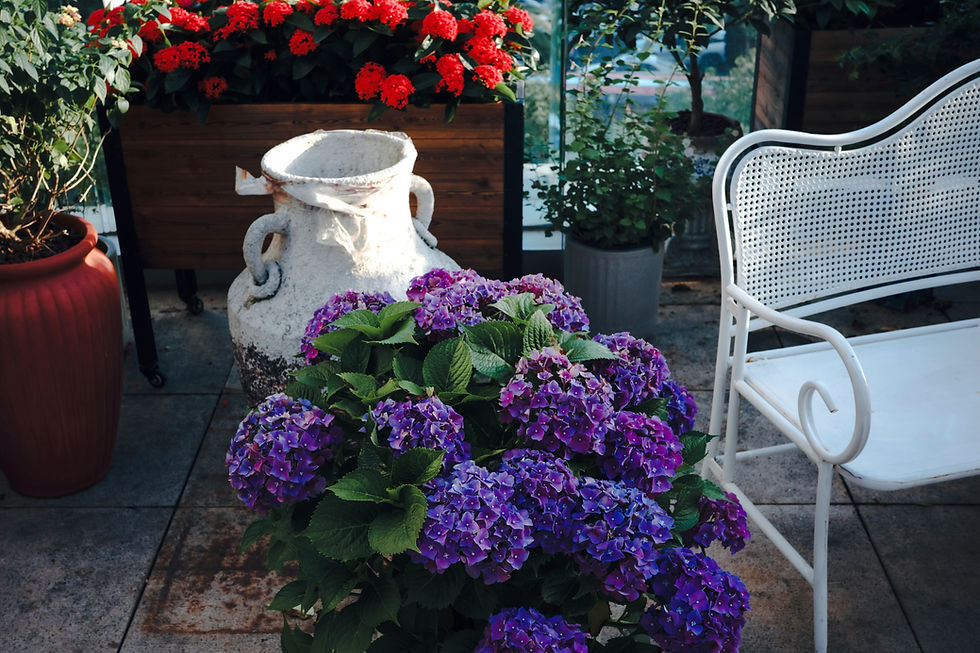
You don’t need a large yard to enjoy gardening. A sunny balcony, small patio, porch, windowsill, or even a few feet of outdoor space can be enough to grow flowers, herbs, vegetables, and even small fruiting plants.
Container gardening is one of the easiest ways to bring more greenery into a small space because it allows you to create a garden wherever you have room. It also gives you more control over soil quality, watering, and plant placement, which can actually make gardening easier than maintaining a traditional garden bed.
Whether you’re a beginner gardener or simply looking for ways to make better use of a small outdoor area, growing plants in containers can be a practical and rewarding solution.
Why Container Gardening Works So Well for Small Spaces
Traditional gardens depend on having available ground, but container gardening removes that limitation. Instead of working around the soil you already have, you create the growing environment yourself.
This makes container gardening especially useful for people who:
Live in apartments or townhomes
Have small yards with limited planting areas
Rent and cannot make permanent landscaping changes
Have poor soil conditions
Want the flexibility to move plants around
One of the biggest benefits of container gardening is control. You decide what soil your plants grow in, how much sunlight they receive, and where they are positioned. If a plant isn’t thriving in one location, you can move it without having to dig up an entire garden bed.
Containers also make gardening more accessible. Many people who struggle with traditional gardening because of limited mobility find raised containers or elevated planters easier to manage. You can bring plants closer, reduce bending, and create a garden that fits your lifestyle.
Another advantage is that containers allow you to experiment. You can try growing vegetables one season, create a flower display the next, or dedicate a few pots to herbs you use regularly in the kitchen.
Choosing the Right Containers

The container you choose can make the difference between a thriving plant and one that struggles. While almost anything can technically become a planter, the best containers provide enough space for roots, allow proper drainage, and match the needs of the plants you want to grow.
Size Matters
Many beginner gardeners make the mistake of choosing containers based on appearance rather than what the plant actually needs. A small pot may look perfect on a balcony shelf, but it may not provide enough room for a mature plant’s roots.
Larger containers are often easier to care for because they:
Hold moisture longer
Provide more room for root development
Require less frequent watering
Create a more stable environment for plants
For example:
Herbs like thyme, basil, and chives can often grow in smaller pots
Lettuce and greens can grow in shallow containers
Tomatoes, peppers, and eggplants need deeper containers
Larger plants may require five-gallon containers or more
Always check the mature size of the plant before choosing a pot.
Drainage Is Essential
Good drainage is one of the most important parts of successful container gardening. Plant roots need water, but they also need oxygen. When water sits around the roots for too long, plants can develop root rot and other problems.
Look for containers with:
Drainage holes at the bottom
A saucer to catch excess water
Enough depth for healthy roots
If you want to use a decorative container without drainage holes, you can place a smaller nursery pot inside it. This gives you the look you want while still allowing proper drainage.
Choosing Container Materials
Different materials have different advantages.
Terracotta pots: Attractive and breathable but dry out quickly
Plastic containers: Lightweight, affordable, and hold moisture longer
Wood planters: Great for larger gardens but need protection from moisture damage
Metal containers: Stylish but can heat up quickly in direct sun
The best choice depends on your climate, available space, and how much maintenance you want.
Picking the Best Plants for Containers

Not every plant adapts well to container life. The best choices are plants that can handle limited root space and thrive in the conditions your space provides.
Before choosing plants, consider:
How much sunlight your area receives
How often you can water
The size of the mature plant
Whether you want flowers, food, or both
Herbs

Herbs are among the easiest container plants because many naturally grow in smaller spaces.
Great choices include:
Basil
Rosemary
Thyme
Mint
Parsley
Chives
Oregano
A container herb garden is especially convenient because you can place it near your kitchen. Fresh herbs can be harvested as needed, and many herbs become more productive when trimmed regularly.
Keep in mind that some herbs, like mint, spread aggressively. Growing mint in its own container prevents it from taking over other plants.
Vegetables

Many vegetables grow extremely well in containers, especially when you choose compact varieties.
Good options include:
Cherry tomatoes
Peppers
Lettuce
Spinach
Kale
Radishes
Green onions
Carrots
Tomatoes are one of the most popular container vegetables, but they require enough space and support. Many varieties need a stake or cage to keep the plant upright as it grows.
Leafy greens are especially beginner-friendly because they grow quickly and can often be harvested gradually instead of all at once.
Flowers

Flowers bring color and can transform a small outdoor space into a garden retreat. They also provide food for pollinators.
Container-friendly flowers include:
Petunias
Marigolds
Geraniums
Zinnias
Lavender
Pansies
Salvia
Combining different flowers in one large container can create a miniature landscape. Try pairing plants with different growth habits—one taller plant, one fuller plant, and one trailing plant—to create a balanced look.
Understanding Sunlight in Small Spaces
One of the biggest challenges in small-space gardening is understanding the light your area receives. A balcony that looks sunny in the morning may be shaded by a nearby building in the afternoon.
Before choosing plants, spend a few days observing your space.
Pay attention to:
Morning versus afternoon sun
Areas that receive direct light
Places affected by walls, fences, or buildings
Most vegetables need around six to eight hours of sunlight daily. Tomatoes, peppers, and herbs generally prefer full sun, while some leafy greens and flowers can tolerate partial shade.
If your space doesn’t receive much sunlight, don’t give up. Plants like lettuce, spinach, mint, ferns, and certain flowers can still thrive with less direct light.
Creating a Beautiful Container Garden Layout

Container gardening is not only practical—it can also become a design feature. Since each container is its own planting space, you can create arrangements that add color, texture, and personality.
Use Different Heights
A container garden looks more natural when plants have different levels.
A simple formula:
Tall plants: ornamental grasses, flowering spikes, tomato plants
Middle plants: herbs, flowers, compact vegetables
Trailing plants: ivy, trailing flowers, creeping herbs
This creates depth and prevents your containers from looking flat.
Group Containers Together
Instead of placing pots randomly throughout your space, group them together. A collection of containers creates more visual impact and can even help plants retain moisture by creating a slightly more protected environment.
Try grouping:
Herbs together near the kitchen
Flowers together as a focal point
Vegetables together for easier care
Use Vertical Space
When floor space is limited, look upward.
Options include:
Hanging baskets
Wall planters
Trellises
Vertical garden towers
Window boxes
Growing vertically allows you to increase your garden area without taking up valuable floor space.
Soil and Watering Tips for Container Gardens

Container plants depend entirely on the soil you provide, so choosing the right growing mix is important.
Regular garden soil is usually too heavy for containers because it can become compacted and prevent proper drainage. Instead, use a quality potting mix designed specifically for containers.
Good potting soil should:
Drain well
Hold moisture without becoming soggy
Allow roots to breathe
Provide nutrients
Because containers have limited soil, nutrients are used up faster than in traditional gardens. Many container plants benefit from regular feeding during the growing season.
Watering is another area where container gardens differ from traditional beds. Containers dry out faster because they are exposed on all sides.
Check your plants often, especially during hot weather. Some containers may need daily watering, while others may only need it every few days.
Common Container Gardening Mistakes to Avoid
Even experienced gardeners run into problems with containers. Fortunately, most issues are easy to correct.
Choosing Containers That Are Too Small
A plant that outgrows its container becomes stressed quickly. Signs include:
Slow growth
Yellowing leaves
Roots growing through drainage holes
Moving the plant into a larger container can often solve the problem.
Overcrowding Plants
It can be tempting to fill a container with lots of plants right away, but crowded plants compete for sunlight, water, and nutrients.
Give plants room to mature. A fuller container may look better at first, but spacing usually leads to healthier growth.
Forgetting Fertilizer
Unlike plants in the ground, container plants cannot spread roots outward to search for nutrients. Regular feeding helps maintain healthy growth.
Ignoring Weather Changes
Containers are more exposed to temperature changes than garden soil. They warm up quickly in summer and can become cold faster in winter.
During extreme weather:
Move containers into shade during heat waves
Protect sensitive plants from cold temperatures
Monitor watering more closely
Easy Container Garden Ideas for Small Spaces
If you’re not sure where to begin, start with a simple theme.
A Kitchen Herb Garden

A few containers of herbs near your kitchen can provide fresh ingredients all season. Basil, parsley, rosemary, and thyme are practical choices.
A Pollinator Container Garden
Combine flowers like lavender, zinnias, salvia, and bee balm to attract bees and butterflies.
A Small Vegetable Garden
Grow a combination of tomatoes, peppers, lettuce, and herbs in larger containers.
A Shade-Friendly Garden
For areas with limited sunlight, try leafy greens, ferns, begonias, or other shade-tolerant plants.
Container gardening proves that you don’t need acres of land to grow something beautiful. A few well-chosen pots can turn even the smallest outdoor area into a productive and inviting garden.
The key is choosing plants that fit your space, using the right containers, and paying attention to basic needs like sunlight, soil, and water. Start with a few plants, learn what works, and build from there.
A small garden can still bring a lot of joy—and sometimes working with a smaller space encourages more creativity and thoughtful gardening choices.
LEARN MORE:

*As an Amazon affiliate I earn from qualifying purchases.


Comments