


Gardening with Kids: Easy Projects for Families

Updated: Sep 13

Gardening is one of those activities that brings people together in a way that few other hobbies can. It gets everyone outside, encourages curiosity, and gives children the chance to see how food and flowers grow from something as small as a seed.
For kids, a garden is more than just a place where plants grow. It becomes a hands-on learning experience where they can dig in the dirt, observe insects, ask questions, and take pride in caring for something they helped create.
You don’t need a large backyard or years of gardening experience to start gardening with children. A few containers on a patio, a small garden bed, or even a few pots near a sunny window can provide plenty of opportunities for family gardening projects.
The key is to choose activities that allow kids to participate, experiment, and enjoy the process. Gardening with children is less about creating a perfect garden and more about creating memories, building confidence, and helping them develop a connection with nature.
Why Gardening Is Great for Kids
Gardening offers children much more than an outdoor activity. It teaches valuable skills while giving them a chance to slow down and interact with the natural world.
When children garden, they learn about:
Responsibility through caring for living things
Patience as they wait for plants to grow
Science through observing nature
Problem-solving when plants face challenges
Healthy eating by growing their own food
A child who helps grow a tomato plant or picks herbs from a garden often becomes more interested in trying those foods because they feel connected to the process.
Gardening can also be a wonderful way to encourage creativity. Kids naturally experiment with colors, designs, and ideas as they arrange flowers, decorate containers, and create spaces for wildlife.
Even simple gardening tasks can become meaningful experiences. Watering plants, checking for new leaves, or searching for butterflies can turn into daily rituals that children look forward to.
Start With a Kid-Friendly Garden Space

Before choosing projects, create a garden area where children feel welcome and involved.
A child-friendly garden doesn’t have to be large. What matters most is that kids have a space where they can participate.
Consider creating:
A Small Garden Bed
A small raised bed or designated corner of the yard gives children ownership over their plants. They can help choose what to grow, plant seeds, and watch the garden change throughout the season.
Container Gardens
Containers are perfect for families with limited space. Kids can decorate pots, choose plants, and easily see progress because everything is close by.
Good container plants for children include:
Cherry tomatoes
Strawberries
Lettuce
Herbs
Marigolds
Sunflowers
A Sensory Garden
A sensory garden focuses on plants children can touch, smell, and observe.
Great choices include:
Lavender
Mint
Rosemary
Lamb’s ear
Lemon balm
Ornamental grasses
These plants make gardening feel interactive and encourage children to explore.
Plant a Pizza Garden
A pizza garden is one of the most fun gardening projects for kids because it connects the garden to something familiar and exciting: food.
A pizza garden usually includes ingredients used for making pizza, such as:
Tomatoes
Basil
Oregano
Peppers
Onions
You can create a circular garden divided into “slices” or simply plant the ingredients together in a container.
Children enjoy watching the ingredients grow and then using the harvest to make homemade pizza.
It creates a clear connection between planting, caring for plants, and enjoying the final result.
Grow a Butterfly and Pollinator Garden

Teaching children about pollinators is a wonderful way to combine gardening with nature education.
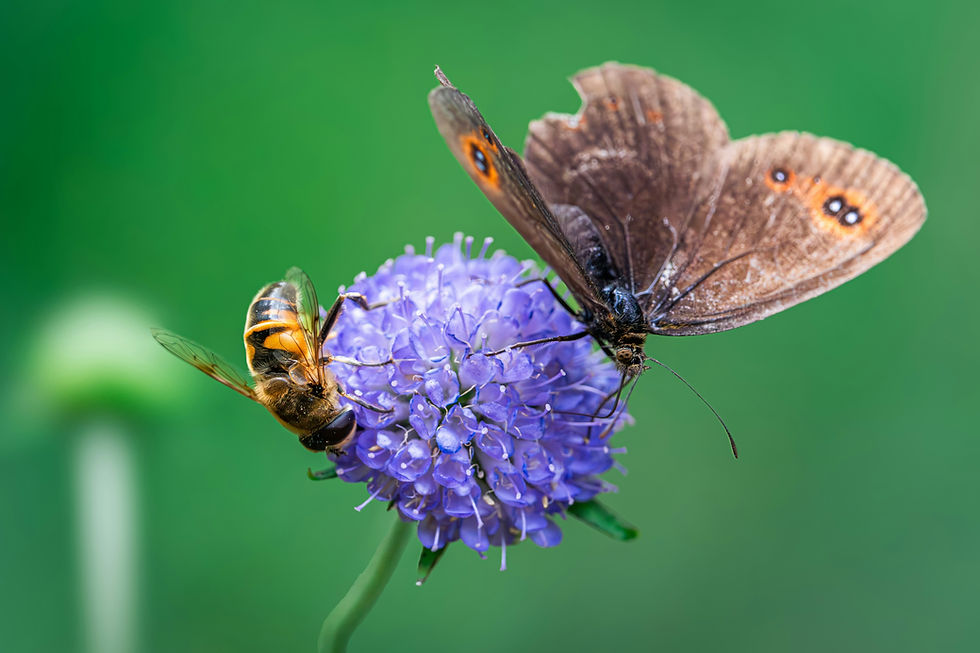
Butterflies, bees, and other pollinators play an important role in helping many plants reproduce. Creating a pollinator garden gives children a chance to observe these creatures up close while supporting local wildlife.
Kid-friendly flowers include:
Sunflowers
Zinnias
Marigolds
Coneflowers
Lavender
Bee balm
Encourage kids to keep a simple nature journal where they can draw the butterflies or insects they see and record changes in the garden.
This project teaches children that a garden is not just about plants—it is also a habitat for living things.
Decorate Garden Markers
Creating plant markers is an easy project that adds personality to the garden.
Kids can make markers using:
Painted rocks
Wooden craft sticks
Recycled materials
Small pieces of wood
They can decorate them with:
Plant names
Drawings
Fun patterns
Garden-themed designs
This project works especially well for younger children because it combines art with gardening.
It also helps kids recognize plants and remember what they planted.
Grow a Seed Starting Project

Watching a seed transform into a plant is one of the most exciting parts of gardening for children.
Starting seeds indoors allows kids to observe the process closely.
Easy seeds for children include:
Beans
Sunflowers
Peas
Marigolds
Lettuce
You can use simple containers such as:
Egg cartons
Small cups
Recycled containers
Have children check the seeds each day and record when they see roots, sprouts, and leaves appear.
This is a great way to introduce basic science concepts like germination and plant growth.
Create a Fairy Garden or Miniature Garden
A fairy garden allows children to combine gardening with imagination.
Using a small container or garden corner, kids can create a tiny landscape with:
Small plants
Pebbles
Miniature houses
Small decorations
Moss
Tiny pathways
Children can design the space however they like, making it a creative project that changes over time.
Miniature gardens are especially appealing because they feel like a secret world tucked inside the larger garden.
Make a Butterfly Puddle or Bee Water Station
Wildlife-friendly projects are a simple way to help children understand that gardens support more than just plants.
Butterfly Puddle
Butterflies need water and minerals, and they often gather in shallow damp areas.
Create one by placing:
A shallow dish
Sand or soil
A little water
Keep it in a sunny area where butterflies can safely visit.
Bee Water Station
Bees need water too, but deep water sources can be dangerous.
Create a safe watering station using:
A shallow bowl
Small stones or pebbles
Fresh water
The stones give bees a place to land while drinking.
These projects help children see how small actions can support nature.
Plant a Rainbow Garden

A rainbow garden is a fun way to teach children about colors while creating a beautiful space.
Choose flowers and plants in different colors:
Red: Salvia, red flowers, strawberries
Orange: Marigolds, orange nasturtiums
Yellow: Sunflowers, calendula
Green: Herbs and leafy vegetables
Blue/Purple: Lavender, asters, pansies
Kids can help design the layout and learn plant names along the way.
This project works especially well because children can see the garden change as different plants bloom throughout the season.
Create a Composting Project
Composting is a great family gardening activity because it teaches children about recycling and the natural cycle of growth.
Kids can help collect:
Fruit and vegetable scraps
Coffee grounds
Leaves
Grass clippings
A small compost bin or tumbler can be enough to get started.
Children enjoy seeing how materials that were once considered waste transform into rich soil that helps plants grow.
It also teaches an important lesson about caring for the environment.
Make Garden Crafts From Natural Materials
Gardening can inspire many creative projects beyond planting.
Try making:
Painted Rocks

Kids can paint rocks with:
Garden creatures
Plant labels
Inspirational messages
Bird Feeders
Simple homemade bird feeders can attract wildlife and encourage observation.
Nature Collages
Collect leaves, flowers, and natural materials to create seasonal artwork.
These projects help children notice the details around them and appreciate the beauty of nature.
Give Kids Their Own Gardening Jobs
Children are more likely to stay interested when they feel responsible for part of the garden.
Age-appropriate tasks might include:
Younger Children:
Watering plants
Planting large seeds
Picking vegetables
Collecting flowers
Older Children:
Planning garden areas
Weeding
Checking plant health
Harvesting crops
Helping with compost
The goal is not perfection. A crooked row of plants or a few accidentally pulled seedlings are part of learning.
Allowing children to make mistakes helps them become more confident gardeners.
Keep Gardening Fun and Low Pressure

One of the biggest mistakes families make is turning gardening into another chore. Children are naturally curious, but they can lose interest if the focus becomes only on doing things correctly.
Let kids:
Choose some of the plants
Get messy
Ask questions
Experiment
Explore
A garden does not have to look perfect to be successful. Some of the best gardening memories come from unexpected discoveries, funny mistakes, and small moments of excitement.
Gardening with kids is about much more than growing flowers or vegetables. It is an opportunity to spend time together, encourage curiosity, and help children understand where food comes from and how nature works.
Simple projects like planting seeds, creating a pollinator garden, decorating garden markers, or growing their own vegetables can leave a lasting impression.
The most important part is not creating the perfect garden—it is creating a space where children feel involved, inspired, and connected to the world around them. A few plants, a little dirt, and some shared time outdoors can become memories your family carries for years.
LEARN MORE:

*As an Amazon affiliate I earn from qualifying purchases.


Comments