


Common Garden Pests and How to Stop Them Naturally

Updated: Sep 13

There’s nothing more frustrating than spending time planting, watering, and caring for your garden only to discover that something has been eating your plants before you ever get to enjoy them. A few holes in leaves, a handful of missing flowers, or a struggling vegetable plant can quickly leave you wondering what went wrong.
The good news is that seeing pests in your garden doesn’t mean you have failed as a gardener. In fact, a healthy garden will naturally attract all kinds of insects and wildlife. The goal isn’t to eliminate every bug—it’s to create a balanced environment where helpful insects thrive and damaging pests are kept under control.
Before reaching for harsh chemicals, there are many natural methods that can help protect your plants. From choosing the right plants to encouraging beneficial insects, a few simple strategies can make a big difference in keeping your garden healthy.
Understanding Garden Pests
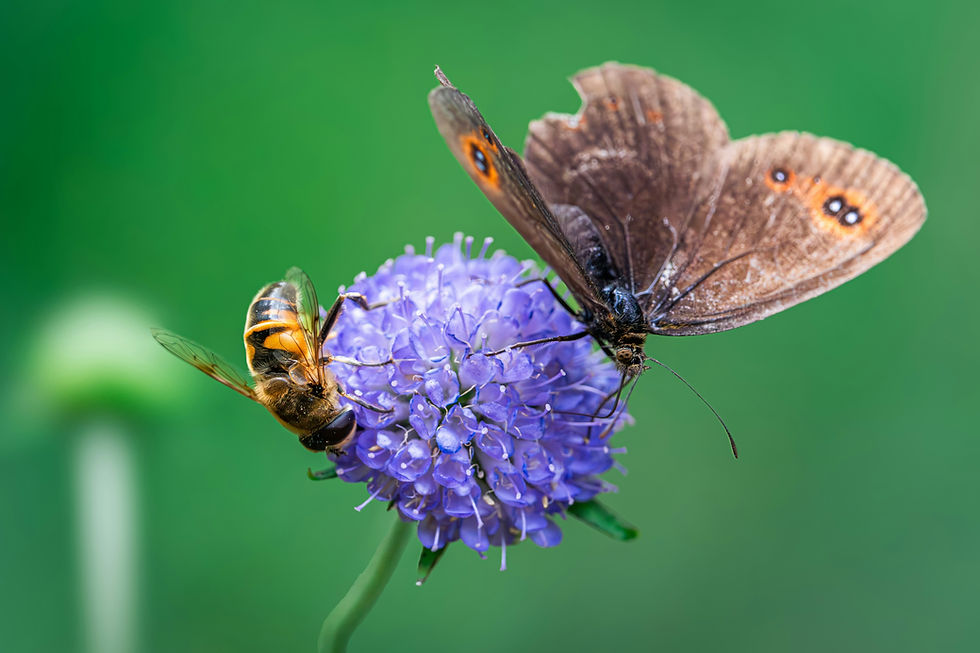
Not every insect in your garden is a problem. In fact, many insects are working in your favor.
Beneficial insects such as:
Ladybugs
Bees
Lacewings
Praying mantises
Ground beetles
help by pollinating flowers or eating harmful pests.
The goal of natural pest control is not to create a completely insect-free garden. A garden without insects usually isn’t a healthy one. Instead, the focus should be on preventing major damage while maintaining a natural balance.
Before treating a problem, take time to identify what you’re dealing with. Different pests require different solutions, and using the wrong method can sometimes make things worse.
Look for clues such as:
Holes in leaves
Sticky residue on plants
Chewed stems
Wilting leaves
Small insects hiding underneath leaves
Damage appearing overnight
A little observation can help you solve the problem more effectively.
Aphids: Tiny Pests That Multiply Quickly

Aphids are among the most common garden pests. These tiny, soft-bodied insects often gather in clusters on the undersides of leaves, along stems, and around new plant growth.
They feed by sucking sap from plants, which can cause:
Curled or yellowing leaves
Stunted growth
Weak stems
Reduced flower and fruit production
Aphids are especially common on roses, vegetables, herbs, and flowering plants.
Natural Ways to Control Aphids
Encourage Ladybugs
Ladybugs are natural aphid predators. A single ladybug can eat many aphids during its lifetime, making them valuable garden helpers.
Planting flowers such as:
Dill
Fennel
Yarrow
Marigolds
can help attract beneficial insects.
Spray With Water
A strong stream of water from a hose can knock aphids off plants. This works especially well for small infestations and is one of the easiest first steps.
Use Insecticidal Soap
A homemade or store-bought insecticidal soap can help control aphids without harming many beneficial insects. Apply it carefully and follow instructions, especially when treating edible plants.
Tomato Hornworms: Large Caterpillars With Big Appetites

Tomato hornworms are some of the most recognizable garden pests because of their size. These large green caterpillars can quickly strip leaves from tomato plants and other crops.
Signs of hornworm damage include:
Missing leaves
Bare stems
Dark droppings on leaves or soil
Damaged fruit
Because they blend in so well, finding them can take some patience.
Natural Ways to Control Tomato Hornworms
Handpick Them
The simplest method is often the best. Check plants carefully, especially in the evening or early morning when hornworms are easier to spot.
Attract Beneficial Insects
Parasitic wasps are natural enemies of hornworms. If you find a hornworm covered in small white egg-like structures, leave it alone. Those are wasp larvae that will help control future hornworm populations.
Rotate Crops
Moving tomatoes and related plants to different areas each year can help reduce pest problems over time.
Slugs and Snails: Nighttime Garden Visitors

Slugs and snails can be especially frustrating because they often do their damage overnight. By morning, you may find holes in leaves or seedlings that have disappeared completely.
They are attracted to:
Moist soil
Shady areas
Thick mulch
Plant debris
Natural Ways to Control Slugs and Snails
Remove Hiding Places
Keep areas around plants tidy by removing:
Fallen leaves
Excess debris
Boards or containers where they hide
Use Barriers
Some gardeners use rough materials around plants, such as crushed eggshells, to make it harder for slugs to travel.
Encourage Natural Predators
Birds, frogs, toads, and some beetles help control slug populations. Creating a welcoming environment for these animals can naturally reduce problems.
Japanese Beetles: Beautiful but Destructive

Japanese beetles are attractive insects with shiny, metallic coloring, but they can cause serious damage. They feed on many plants and often skeletonize leaves by eating the tissue between veins.
Common targets include:
Roses
Fruit trees
Beans
Grapes
Flowering plants
Natural Ways to Control Japanese Beetles
Remove Them by Hand
Early morning is often the best time to pick beetles because they move more slowly.
Drop them into a container of soapy water to prevent them from returning.
Avoid Beetle Traps Near Your Garden
While traps can catch beetles, they may attract more beetles into the area than they remove. If you use them, place them far away from plants you want to protect.
Plant Resistant Varieties
Some plants are naturally less attractive to Japanese beetles. Mixing different plant types can also reduce large-scale damage.
Caterpillars: Protecting Leaves Naturally

While some caterpillars become beautiful butterflies and moths, others can cause significant damage to vegetables and flowers.
Common signs include:
Ragged leaf edges
Holes throughout leaves
Leaves disappearing quickly
Natural Ways to Control Caterpillars
Inspect Plants Regularly
Checking the undersides of leaves gives you a chance to remove problems early.
Use Row Covers
Lightweight fabric covers can protect vegetables from insects while still allowing sunlight and water through.
Plant for Pollinators
A diverse garden with flowers and native plants supports beneficial insects that naturally keep caterpillar populations balanced.
Whiteflies: Small Insects With Big Impact

Whiteflies are tiny flying insects that often gather underneath leaves. When disturbed, they may appear as a small cloud of white insects rising from the plant.
They can cause:
Yellowing leaves
Weak growth
Sticky residue called honeydew
Increased mold problems
Natural Ways to Control Whiteflies
Spray Leaves With Water
A strong spray can help remove whiteflies and disrupt their life cycle.
Use Yellow Sticky Traps
Whiteflies are attracted to yellow, making sticky traps a helpful monitoring tool.
Encourage Beneficial Insects
Ladybugs, lacewings, and other predatory insects help reduce whitefly populations naturally.
Cutworms: Protecting Young Plants

Cutworms are especially frustrating for vegetable gardeners because they can destroy seedlings overnight. These caterpillars hide in the soil during the day and come out at night to feed.
Signs include:
Young plants cut off near the soil line
Seedlings suddenly falling over
Missing plants in newly planted rows
Natural Ways to Control Cutworms
Use Plant Collars
Creating a barrier around young plants with cardboard, paper cups, or small collars can prevent cutworms from reaching stems.
Keep Garden Beds Clean
Removing weeds and plant debris reduces hiding places.
Encourage Birds
Many birds feed on caterpillars and can help keep populations under control.
Preventing Garden Pests Before They Become a Problem
The best pest control strategy often happens before pests arrive. A healthy garden is naturally more resistant to problems.
Grow Healthy Plants
Strong plants are better able to handle minor pest damage.
Provide:
Good soil
Proper sunlight
Consistent watering
Adequate spacing
Avoid Over-planting One Crop
Large groups of the same plant can attract more pests. Mixing flowers, herbs, and vegetables can make it harder for pests to find their preferred food source.
Practice Crop Rotation
Planting the same crops in the same place every year allows certain pests and diseases to build up in the soil.
Moving crops around helps interrupt their life cycles.
Keep Your Garden Clean
Remove:
Diseased leaves
Fallen fruit
Dead plant material
This reduces places where pests can hide and reproduce.
Natural Sprays and Remedies for Garden Pests
Many gardeners use homemade solutions as a first line of defense.
Common options include:
Neem Oil
Neem oil is a plant-based product that can help control certain insects. It works by disrupting feeding and reproduction.
Garlic Spray
Garlic-based sprays may help discourage some pests because of their strong smell.
Soap Spray
A mild soap solution can help manage soft-bodied insects like aphids and whiteflies.
Always test any homemade spray on a small section of a plant first. Even natural products can damage certain plants if used incorrectly.
A few garden pests are part of the gardening experience. The goal isn’t to create a space where nothing else lives—it’s to create a healthy environment where plants can thrive and nature can stay balanced.
By learning to recognize common pests, encouraging beneficial insects, and using natural methods first, you can protect your garden without relying heavily on harsh chemicals.
A little patience, observation, and prevention go a long way. In many cases, the healthiest gardens aren’t the ones without insects—they’re the ones where the right insects are encouraged to stay.
LEARN MORE:

*As an Amazon affiliate I earn from qualifying purchases


Comments