


How to Volunteer When You Have a Busy Schedule


Volunteering often gets framed as something that requires large blocks of free time, a flexible schedule, and plenty of energy. That image alone can make it feel out of reach for people who are already juggling work, family responsibilities, appointments, and the general demands of everyday life. But meaningful volunteering doesn’t have to look like a major weekly commitment. In reality, there are many ways to contribute that fit into a busy schedule—without adding pressure or turning service into another source of stress.
Rethinking What Volunteering Actually Means
The first shift is redefining what volunteering actually means, especially in a modern context where time feels fragmented and responsibilities overlap. Many people still picture volunteering as something formal: weekly shifts at a shelter, long-term commitments to a nonprofit, or structured roles that require training and consistency. While those forms absolutely matter, they are only one part of the picture.
Volunteering can also be flexible, situational, and skill-based. It can mean helping at a single community event, contributing remotely to a project, or offering professional skills in short bursts rather than ongoing hours. It can even mean informal acts of service that aren’t officially recorded anywhere but still meet a real need in your community. When volunteering is understood in this broader sense, it stops feeling like something reserved for people with abundant free time and starts feeling like something that can be woven into ordinary life.
This shift in perspective is important because the biggest barrier for many people isn’t willingness—it’s the belief that they cannot do “enough” to make it worthwhile. In reality, communities often rely heavily on small, distributed contributions rather than a few large ones. When volunteering is seen as a spectrum rather than a fixed role, participation becomes far more accessible.
One-Off and Short-Term Opportunities

One of the most practical ways to volunteer with limited time is to focus on opportunities that are short-term, clearly defined, and contained. These are often referred to as “one-off” or “drop-in” roles, and they are especially common in community events, seasonal programs, and nonprofit fundraising activities.
For example, a local food bank might need extra hands during holiday distribution periods. A charity run may need volunteers for registration or setup for just a few hours. Community centers often host events where support is only required for a single afternoon. These kinds of opportunities are valuable because they have a clear beginning and end, which makes them easier to plan around a busy schedule.
What makes this approach so effective is that it removes long-term pressure. You are not committing to something indefinite—you are choosing a specific moment in time where you can show up and contribute. For many people, this makes volunteering feel far more realistic and sustainable. Even participating a few times a year in this way can create a meaningful cumulative impact.
Skill-Based and Remote Volunteering
Another highly accessible form of volunteering for busy individuals is skill-based or remote volunteering. This approach allows you to contribute using abilities you already have, often without needing to be physically present or follow a fixed schedule.
For instance, someone with writing experience might help a nonprofit edit newsletters or create educational materials. A designer might contribute graphics for campaigns. Someone with administrative skills might assist with data entry or organizing digital files. Tutors, translators, marketers, and even accountants can all find ways to contribute remotely in ways that match their professional strengths.
The flexibility here is key. Many of these tasks can be completed in small segments of time rather than long uninterrupted blocks. You might spend 20 minutes reviewing something during a break or an hour in the evening working on a document. This makes it easier to integrate volunteering into irregular schedules without it feeling overwhelming.
Remote volunteering also removes logistical barriers like travel time, which is often one of the biggest obstacles for busy people. It opens up opportunities beyond your immediate geographic area and allows you to choose causes that align closely with your interests or values.
Micro-Volunteering: Small Actions, Real Impact
Micro-volunteering is an increasingly popular approach that breaks volunteering into very small, manageable tasks. These tasks are designed to take minimal time—sometimes just a few minutes—and can often be completed online or on the go.
Examples include signing petitions, reviewing short content for accuracy, tagging images for nonprofit databases, participating in quick surveys, or sharing awareness campaigns on social media. While each individual task may seem minor, they are often part of larger collective efforts that rely on volume and participation.
What makes micro-volunteering especially valuable for busy people is its immediacy. There is no need to schedule a block of time or plan ahead. You can participate during brief pauses in your day—waiting in line, taking a break, or winding down in the evening. This removes the psychological barrier of “not having enough time” while still allowing you to contribute meaningfully.
Over time, these small contributions add up. They also help build a habit of engagement, which can make it easier to participate in larger ways when more time becomes available.
Flexible Organizations and On-Demand Help

For people with unpredictable or shifting schedules, flexibility is often the deciding factor in whether volunteering feels sustainable. Some organizations have adapted to this reality by creating systems that allow volunteers to participate on an as-needed basis rather than committing to fixed schedules.
This might include joining a volunteer mailing list where opportunities are sent out periodically, or using platforms where you can sign up for shifts only when you are available. Instead of being locked into weekly responsibilities, you have the freedom to choose when and how you participate.
This approach is especially helpful for people whose availability changes from week to week due to work demands, caregiving responsibilities, or travel. It creates a more realistic way to stay involved without the pressure of consistency that may not always be feasible.
It also helps organizations, because they can quickly mobilize support when they need it most, rather than relying solely on a fixed volunteer base.
Integrating Volunteering Into Daily Life
Another effective strategy is to integrate volunteering into routines that already exist, rather than treating it as a separate activity that requires additional time. This approach focuses on overlap—finding ways to contribute while doing things you are already doing.
For example, if you already shop locally, choosing to support small businesses that contribute to community initiatives is a form of participation. If you attend your child’s school events, you might offer occasional help during those times. If you regularly walk in your neighborhood, you might participate in community cleanups that happen nearby.
The key idea is that volunteering does not always need to be an added task on your calendar. It can often be layered into your existing lifestyle in small, practical ways. This makes it feel less like an obligation and more like a natural extension of how you already live.
When volunteering fits into existing routines, it becomes easier to maintain long-term without feeling like a burden or competing with other priorities.
Setting Realistic Expectations

One of the biggest barriers to volunteering for busy people is internal pressure—the belief that participation has to be significant in order to matter. This often leads to an all-or-nothing mindset: either you volunteer regularly and extensively, or you do not participate at all.
In reality, communities depend heavily on incremental contributions. A few hours of help during an event, occasional remote tasks, or sporadic involvement still provide real value. Organizations often design roles specifically with this in mind, knowing that not everyone can commit large amounts of time.
Adjusting expectations also helps prevent discouragement. When people believe they are not doing “enough,” they may avoid volunteering altogether. But when smaller contributions are recognized as meaningful, it becomes easier to stay engaged over time.
Consistency, even at a low level, often has more impact than occasional intense involvement followed by long gaps. What matters is sustained participation in whatever form is realistic.
Boundaries and Sustainable Giving
Maintaining boundaries is essential for making volunteering sustainable, especially when time and energy are already limited. Without boundaries, it is easy to overcommit, particularly in roles that feel emotionally meaningful or socially rewarding.
However, overcommitment can quickly lead to burnout, which not only affects personal well-being but also reduces the likelihood of continued participation. Volunteering should ideally feel supportive, not draining.
Setting boundaries might mean choosing a maximum number of hours per month, limiting yourself to certain types of tasks, or only participating when you genuinely have capacity. It may also mean learning to say no without guilt when opportunities arise that do not fit your current situation.
Sustainable volunteering is not about doing as much as possible—it is about finding a rhythm that can realistically continue over time without strain.
Using Technology to Make Volunteering Easier
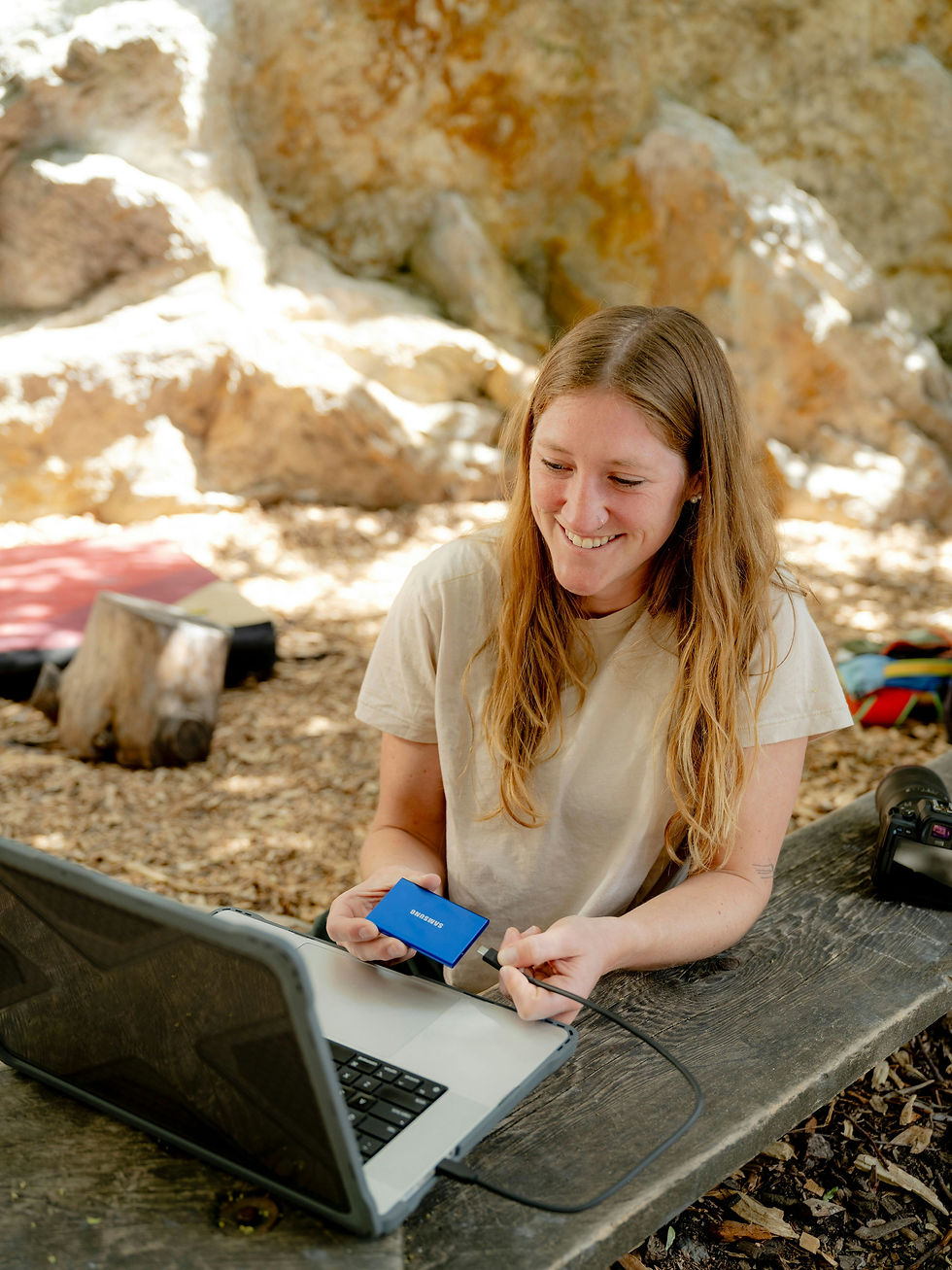
Technology has significantly expanded access to volunteering opportunities, particularly for people with limited or unpredictable schedules. Many organizations now use digital platforms to coordinate volunteers, post opportunities, and manage sign-ups in real time.
This makes it much easier to find short-term or remote opportunities without lengthy application processes. Some platforms allow you to filter by time commitment, skill type, or location, which helps match opportunities more closely to your availability.
Remote volunteering tools also allow people to contribute from anywhere, often with asynchronous workflows that do not require real-time coordination. This flexibility has opened the door for many who previously found volunteering logistically difficult.
Different Seasons of Availability
It is also helpful to recognize that availability naturally changes over time. There may be periods in life when time is extremely limited, such as during demanding work projects, caregiving responsibilities, or personal transitions. At other times, there may be more flexibility and energy to engage more deeply.
Volunteering does not need to remain constant throughout all stages of life. Instead, it can ebb and flow in response to circumstances. What matters is maintaining a general openness to participation, even if the level of involvement changes.
Even stepping back temporarily does not disconnect you from community involvement. It simply reflects a different season of capacity.
Small Acts Still Count
Even outside formal volunteering structures, small acts of contribution can have meaningful impact. Helping a neighbor, donating items, offering expertise informally, or supporting local initiatives in small ways all contribute to the health of a community.
These actions often go unnoticed in official records, but they play a real role in strengthening relationships and supporting those around you. They also tend to be the most accessible form of participation for people with very limited time.
Making It Work in Real Life

Ultimately, volunteering when you have a busy schedule is about rethinking what participation looks like in practice. It is not about finding large amounts of free time, but about identifying flexible, realistic ways to contribute within the life you already have.
By embracing short-term opportunities, skill-based contributions, micro-volunteering, and informal acts of service, volunteering becomes something that can coexist with a full schedule rather than compete with it.
There is no single correct way to contribute. What matters is finding a sustainable rhythm that allows you to stay connected, engaged, and involved in ways that feel manageable.
Even in a life that feels full and fast-paced, there is still space for meaningful contribution—often in smaller, simpler moments than people expect.
LEARN MORE:

*As an Amazon affiliate I earn from qualifying purchases.


Comments