


How to Host a Hygge Dinner Party


A hygge dinner party isn’t really about impressing anyone with perfect plating or a complicated menu. It’s more about creating a space where people can relax, slow down a bit, and actually enjoy being together. The kind of evening where nobody is trying too hard, nothing feels rushed, and the atmosphere quietly encourages everyone to just be themselves. It’s less “event” and more “experience”—something that feels easy, welcoming, and grounded from the moment people walk in to the moment they leave.
Hygge is about comfort, warmth, and presence. It’s the feeling of being safe, settled, and connected in a simple moment that doesn’t need to be dressed up or performed. So a hygge dinner party isn’t built around trying to impress guests or create something visually perfect, but around shaping an environment where people naturally soften and unwind. That might come from the lighting, the food, the way the table is set, or simply the pace of the evening—but none of it needs to be complicated for it to work.
The goal is less about hosting in a formal sense and more about holding space for people to feel at ease together. The best hygge dinners often feel slightly unplanned in the best way, even when they’re thoughtfully prepared. There’s conversation that drifts without effort, food that’s passed around without ceremony, and a general sense that no one needs to be anywhere else or doing anything different. Once you approach it from that place, everything else becomes much simpler and more intuitive.
Set the mood first, not the menu
Before you even think about recipes or shopping lists, focus on how the space feels. The atmosphere is really the foundation of the entire evening, and it ends up shaping the experience far more than anything you serve on the table.
Start with lighting, because it changes everything almost immediately. Bright overhead lights tend to make a room feel functional and a bit formal, while softer lighting creates warmth and ease. If you can, turn off the main lights and rely instead on lamps, candles, or string lights. You don’t need a lot—just a few warm pockets of light around the room can make it feel instantly more inviting and calm.
Sound matters too, but it should sit gently in the background. A low, relaxed playlist works best—something acoustic, soft jazz, or instrumental music that doesn’t pull focus. The idea is not to fill silence completely, but to support it so conversation feels natural rather than awkward.
You can also think about subtle sensory details like scent and temperature. A candle burning in the background, the smell of something warm in the kitchen, or even fresh bread on the counter all add to that feeling of comfort people can’t always name but immediately notice. Keeping the room slightly warm and comfortable also helps people physically relax, which naturally makes them more open and present.
When guests arrive, they shouldn’t feel like they’re stepping into something staged or overly arranged. The goal is that they immediately feel like they can exhale a little.
Keep the food comforting, not complicated

A hygge dinner party works best when the food feels familiar, comforting, and easy to enjoy without any sense of performance. This isn’t the moment for experimental dishes or anything that requires last-minute precision in the kitchen while people are already sitting at the table.
Think warm, simple, and generous. Slow-cooked stews, roasted vegetables, baked pasta, soups, or anything that can be made ahead of time tends to work beautifully. Food that stays warm and holds well is especially helpful because it keeps you present with your guests instead of moving in and out of the kitchen.
Family-style serving fits naturally here. Placing dishes in the center of the table encourages people to pass food around, take their time, and talk as they eat. It also removes some of the formality that can come with plated meals, making everything feel more relaxed and shared.
You really don’t need much more than a simple, well-thought-out spread. One main dish, a couple of easy sides, and some fresh bread is often enough. Dessert can stay just as uncomplicated—something warm and comforting like cookies, a crumble, or chocolate with coffee or tea. The intention isn’t to impress through variety, but to create ease and satisfaction.
Use a table setup that invites lingering
A hygge table doesn’t need to look styled or perfectly arranged. In fact, a slightly relaxed, lived-in feel often works better because it signals that people can settle in comfortably without worrying about formality.
Start with soft, natural textures where you can. Linen napkins, a simple tablecloth, or even a fabric runner can instantly make the table feel warmer. From there, keep things understated rather than decorative for the sake of it. A few candles along the table create a soft, flickering light that naturally slows the mood. A bowl of fruit, a little greenery, or seasonal touches like dried flowers or branches can add quiet character without overwhelming the space.
It also helps to think about flow more than perfection. Dishes should be easy to reach and pass around, and nothing should feel like it’s placed too carefully to touch. A hygge table is meant to be interacted with, not observed.
Encourage slow, natural conversation

A big part of a hygge dinner party is how people connect with each other. There’s no need for structured entertainment or planned activities. In fact, the more relaxed and unstructured it is, the more natural it tends to feel.
The best way to support this is by removing distractions. No TV in the background, phones kept out of sight, and a general sense that the evening isn’t being interrupted by anything else.
If conversation needs a gentle start, simple open-ended prompts can help ease people in. Light questions about the week, favorite comfort foods, or small everyday moments tend to work well. Nothing too heavy or overly structured—just enough to get people talking comfortably.
After that, it’s often best to step back a little. Let conversation wander, let there be pauses, and don’t feel the need to fill every quiet moment. Those gaps are often where the most relaxed and genuine parts of the evening live.
Add small sensory comforts
Hygge is closely tied to how a space feels on a sensory level, so small details can make a noticeable difference without requiring much effort or planning.
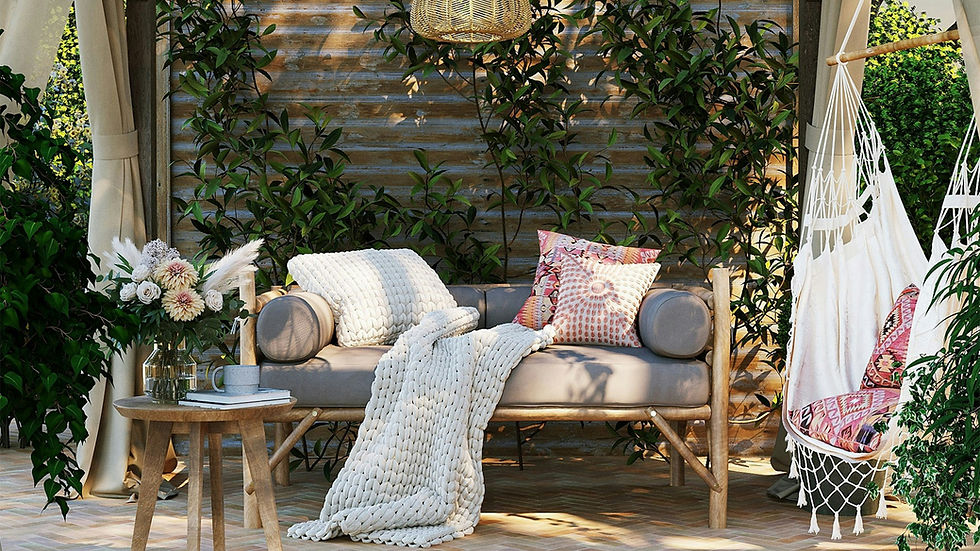
Comfort is the starting point—soft seating, cushions, or even a blanket within reach can help people physically relax into the space. When the body feels at ease, everything else tends to follow.
Then there are the quieter environmental touches. A candle with a soft, warm scent, the smell of food in the kitchen, or a pot of tea brewing in the background can all subtly shape the atmosphere without drawing attention to themselves.
Small gestures also add to the feeling of care—offering a drink when guests arrive, topping up glasses without being asked, or simply checking in gently throughout the evening. None of this needs to be formal or performative; it’s just about making people feel looked after in a quiet, natural way.
Keep the pace intentionally unhurried
One of the easiest ways to lose the hygge feeling is to rush through the evening as if it needs to follow a schedule. A hygge dinner party works best when there’s space between moments rather than a tightly structured flow.
Let food stay on the table while conversation continues. There’s no need to clear everything quickly or move on to the next course as soon as it’s finished. If people are still talking and enjoying themselves, that’s the rhythm to follow.
It also helps to let go of timing expectations altogether. Things might take longer than planned, conversation might stretch out, and dessert might happen later than you expected—but none of that needs to be corrected. The looseness is part of what makes it feel good.
Hygge is less about efficiency and more about letting time feel softer than usual.
End the night gently

Instead of a defined ending, a hygge dinner party tends to wind down naturally. The energy slowly softens, conversation becomes quieter, and people begin to settle back into their chairs without any need for a formal wrap-up.
Rather than closing things abruptly, you can gently support that transition. Offering a final cup of tea or coffee, dimming the lights slightly, or simply allowing conversation to taper off naturally all work well.
There doesn’t need to be a clear “end moment,” but rather a slow easing out of the evening. People often leave in their own time, sometimes one by one, sometimes in small groups, which keeps the atmosphere relaxed right through to the last goodbye.
What matters most is that guests don’t feel pushed out of the experience. Instead, they leave gradually, with things wrapping up in a way that feels unforced and natural. A good hygge dinner party doesn’t really “end” so much as it gently dissolves. Ideally, people step back into their evening feeling a little lighter, a little more grounded, and quietly glad they stayed as long as they did.
LEARN MORE:

*As an Amazon affiliate I earn from qualifying purchases.


Comments