


How to Design a Hygge Patio or Balcony

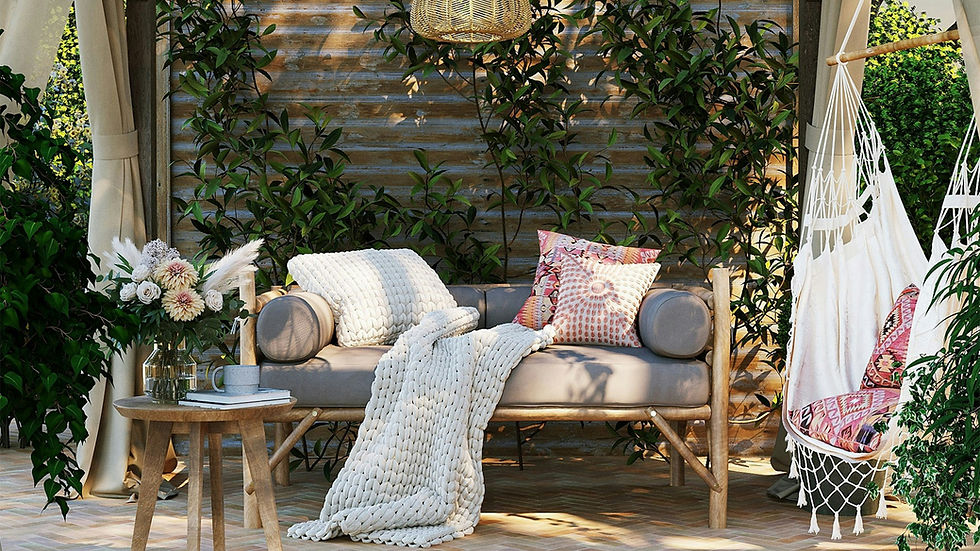
A patio or balcony often starts out as one of those “someday” spaces — a couple of chairs pushed outside, maybe a plant that’s trying its best, and not much else. But it has a lot more potential than that. Even a very small outdoor area can become a place you actually look forward to using if it feels warm, comfortable, and easy to be in.
That’s really where Hygge comes in. It’s less about decorating in a specific style and more about creating a feeling — one that’s calm, grounded, and quietly enjoyable. When you bring that mindset outside, a balcony or patio stops being just “extra space” and starts becoming a little retreat that supports your everyday life in a really simple way.
Start with Comfort, Not Decoration
It’s tempting to start by thinking about string lights, planters, or aesthetic furniture, but hygge works best when you flip that order around. First ask yourself: Would I actually want to sit here for a while?
Comfort is the foundation of everything. If you’re constantly shifting in your seat, or you can only stay outside for ten minutes before getting restless, the space won’t get used no matter how pretty it looks. So start with seating that feels genuinely inviting — cushioned chairs, a small loveseat if you have the space, or even a bench softened with pillows.
Think of it less like “outdoor staging” and more like building a spot where you could easily lose track of time with a cup of coffee or a book. That relaxed usability is what makes the space feel hygge, not the furniture itself.
Layer Soft Textures Everywhere

Once comfort is in place, texture is what brings the space to life. This is where things start to feel cozy instead of just functional.
Outdoor cushions, woven throws, soft blankets, and even an outdoor rug can completely change the tone of a balcony or patio. They make the space feel more like an extension of your living room rather than a separate, slightly forgotten area.
The nice thing about hygge design is that it doesn’t demand perfection. You don’t need matching sets or a strict color palette. In fact, a slightly mixed, lived-in combination of textures often feels more natural. A chunky knit throw next to a simple cotton cushion next to a weathered wooden chair — it all works together because it feels collected over time.
And practically speaking, having layers also means the space adapts to different moments. Cool morning? Wrap up in a blanket. Warm afternoon? Peel things back and keep it light.
Use Lighting to Create Atmosphere
Lighting can completely change how a space feels, especially outdoors where the natural light shifts so dramatically throughout the day.
During daylight hours, you don’t have to think much about it. But as evening approaches, this is where a hygge patio really comes alive. Instead of relying on bright, overhead lighting, think softer and more scattered sources of glow.
String lights are a classic for a reason — they create an easy, relaxed warmth without feeling too staged. Lanterns on the ground or table surfaces add depth, and candles (or safe flameless versions if wind is an issue) bring that flickering, calming effect that makes everything feel slower.
The goal isn’t brightness; it’s atmosphere. You want the space to feel gently lit, like it’s inviting you to stay a little longer without demanding anything from you.
Bring in Natural Elements

Even though you’re already outside, adding natural elements intentionally helps ground the space and make it feel more connected rather than just “functional outdoor square footage.”
Plants are usually the easiest place to start. A few potted herbs, some trailing greenery, or even a small tree in a corner can soften hard edges and bring movement into the space. If your balcony is small, vertical planters or railing pots can add greenery without taking up precious floor space.
Materials matter just as much as plants. Wood, rattan, stone, clay, and woven textures all add a sense of warmth and authenticity. These materials tend to age well too, which fits nicely with the hygge idea of spaces that evolve and settle over time rather than staying static and perfect.
It’s not about turning your balcony into a jungle — it’s more about adding small touches of nature so the space feels alive and calm at the same time.
Create a Simple Gathering Spot
Even if you mostly use your outdoor space alone, it helps to design it as if it could comfortably welcome another person. That mindset naturally makes it feel more open and inviting.
A small table and two chairs is often enough. It gives you a place to set down a drink, share a meal, or just rest a book while you sit outside. If space is tight, even a compact side table or a foldable option works just fine.
If furniture really isn’t an option, don’t overthink it — a tray on a stool or even a sturdy surface that can hold a cup of tea still creates that sense of a “moment” rather than just standing outside.
Hygge isn’t about entertaining in a formal sense. It’s more about creating little pockets where connection — with yourself or others — feels easy and unforced.
Keep the Space Calm and Uncluttered
It’s easy for outdoor spaces to slowly accumulate things: planters you don’t love anymore, chairs you never use, decorations that felt right at the time but now just sit there. Hygge works best when you gently resist that buildup.
This doesn’t mean everything has to be minimal or sparse. It just means everything in the space should earn its place. If something doesn’t add comfort, warmth, or usefulness, it probably doesn’t need to be there.
When you step outside, the space should feel like a breath of fresh air — not visually busy or mentally distracting. A calm layout naturally encourages you to slow down instead of scanning around for what to fix or move.
Add Personal Rituals

This is where the space really becomes yours. A hygge balcony or patio isn’t defined by how it looks, but by what happens there regularly.
Maybe it’s your morning coffee before the day gets going, sitting outside for ten quiet minutes in the evening, or reading a few pages of a book while the light softens. These small, repeated moments are what turn the space into something meaningful.
You don’t need long routines or complicated habits. Even something as simple as stepping outside once a day to sit and reset can shift how connected you feel to your home. Over time, your brain starts to associate the space with ease and calm.
Let It Evolve Naturally
One of the nicest things about a hygge-inspired space is that it doesn’t need to be “finished.” In fact, it often feels better when it isn’t.
You might start with just a chair and a plant, then slowly add a blanket you love, then some soft lighting later on. Each addition reflects how you’re actually using the space, not how you think it should look in a perfect version.
That gradual evolution gives the space personality. It becomes less about design decisions and more about lived experience — what felt good, what you reached for, what made you stay outside a little longer.

A hygge patio or balcony doesn’t need to be large, expensive, or perfectly styled to feel meaningful. What matters most is how it supports the way you want to live — a little slower, a little softer, and a little more present in everyday moments.
When you step outside and feel that quiet ease settle in — whether it’s morning light, evening stillness, or just a pause in your day — that’s really the whole point. Not perfection, just a space that makes it easier to breathe a little deeper and stay a little longer.
LEARN MORE:
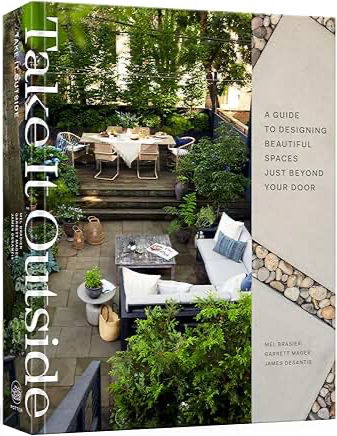
*As an Amazon affiliate I earn from qualifying purchases.


Comments