


The Connection Between Hygge and Gratitude


Hygge and gratitude overlap in a way that isn’t necessarily obvious at first. Hygge—the Danish idea of warmth, comfort, and intentional coziness—is usually linked with soft lighting, warm drinks, simple spaces, and those small moments where life feels a bit slower and easier to sit inside. Gratitude is more internal: it’s the habit of noticing what’s already good, even when nothing particularly special is happening.
But they aren’t really separate ideas. Hygge and gratitude tend to feed into each other in everyday life. Hygge shapes the environment you’re in and the way you move through your day, while gratitude shapes what you actually notice once you’re there. One creates the conditions for slowing down, and the other fills that space with awareness of what’s already working.
Put together, they gently pull attention away from constant doing and into simple being. Not in a dramatic or “life transformation” way, but in a quiet, almost unnoticeable shift where ordinary moments stop slipping by so quickly. A room feels a bit warmer. A routine feels a bit less rushed. A small moment of calm actually gets registered instead of overlooked.
When they start to blend together, life doesn’t suddenly become different—it just becomes more visible. And that’s often where a sense of ease begins to show up.
Hygge naturally shifts your focus to what’s already good
One of the subtle effects of hygge is that it pulls attention away from “what’s missing” and toward “what’s already here.” A warm blanket on a cold evening, a candle flickering in the corner, a cup of tea you actually sit down to drink instead of rushing through—these are simple things, but they create a sense of enoughness.
That feeling matters more than it first appears. A lot of daily stress doesn’t come from major problems, but from a low-level sense that life is always slightly incomplete. There’s always something to fix, upgrade, or get to later. Hygge interrupts that cycle by making the present moment feel more self-contained.
When your environment supports comfort and ease, your attention naturally softens. You start noticing small positives without trying so hard to find them. The warmth of a room, the quiet after a busy day, the feeling of settling in—these become more visible. And that noticing is very close to gratitude, even if you don’t label it that way.
Over time, this shift can subtly retrain your mind to stop overlooking what’s already working.
Gratitude is what deepens the hygge experience

Hygge can exist on a purely sensory level—soft textures, warm lighting, a calm evening—but gratitude is what gives it emotional depth. Without gratitude, hygge can become something you assemble. With it, hygge becomes something you actually feel.
Take a simple moment like sitting under a blanket with a book. On the surface, that’s already hyggeligt. But when there’s even a small pause of appreciation—recognizing you have time to rest, or that you’re safe enough to slow down, or simply that the moment feels peaceful—it changes tone completely.
It stops being just comfort and becomes something more grounding. Not dramatic, not overly sentimental, just quietly meaningful.
Gratitude also keeps hygge from turning into a checklist of aesthetic choices. It’s easy to think hygge is about having the right lighting or the right décor, but the emotional layer is what makes those things matter in the first place. Without that layer, it can feel empty, like you’re arranging an atmosphere rather than living in it.
When gratitude is present, even imperfect environments still feel hyggeligt enough, because the value comes from attention rather than perfection.
Hygge encourages you to slow down enough to notice
Gratitude rarely shows up in a rushed mind. It doesn’t need hours of free time, but it does need moments of presence. Hygge creates those moments by gently slowing down the pace of everyday life.
It might be as simple as dimming the lights in the evening, sitting down for a meal without screens, or wrapping yourself in something warm after a long day. These aren’t dramatic lifestyle changes, but they signal to your mind that it doesn’t need to stay in high-alert mode all the time.
In that quieter space, attention starts to shift. You notice the feel of warmth instead of just chasing the next task. You hear the quiet in the room instead of filling it. You become aware of small details that usually get skipped over entirely.
This is where gratitude becomes almost automatic. Not forced or practiced in a formal sense, but arising naturally because there is finally space to register experience. Even something as ordinary as sitting still for a few minutes can feel different when it’s fully noticed instead of half-ignored.
Hygge doesn’t demand stillness in a rigid way—it just makes stillness more available.
Shared moments make gratitude more visible
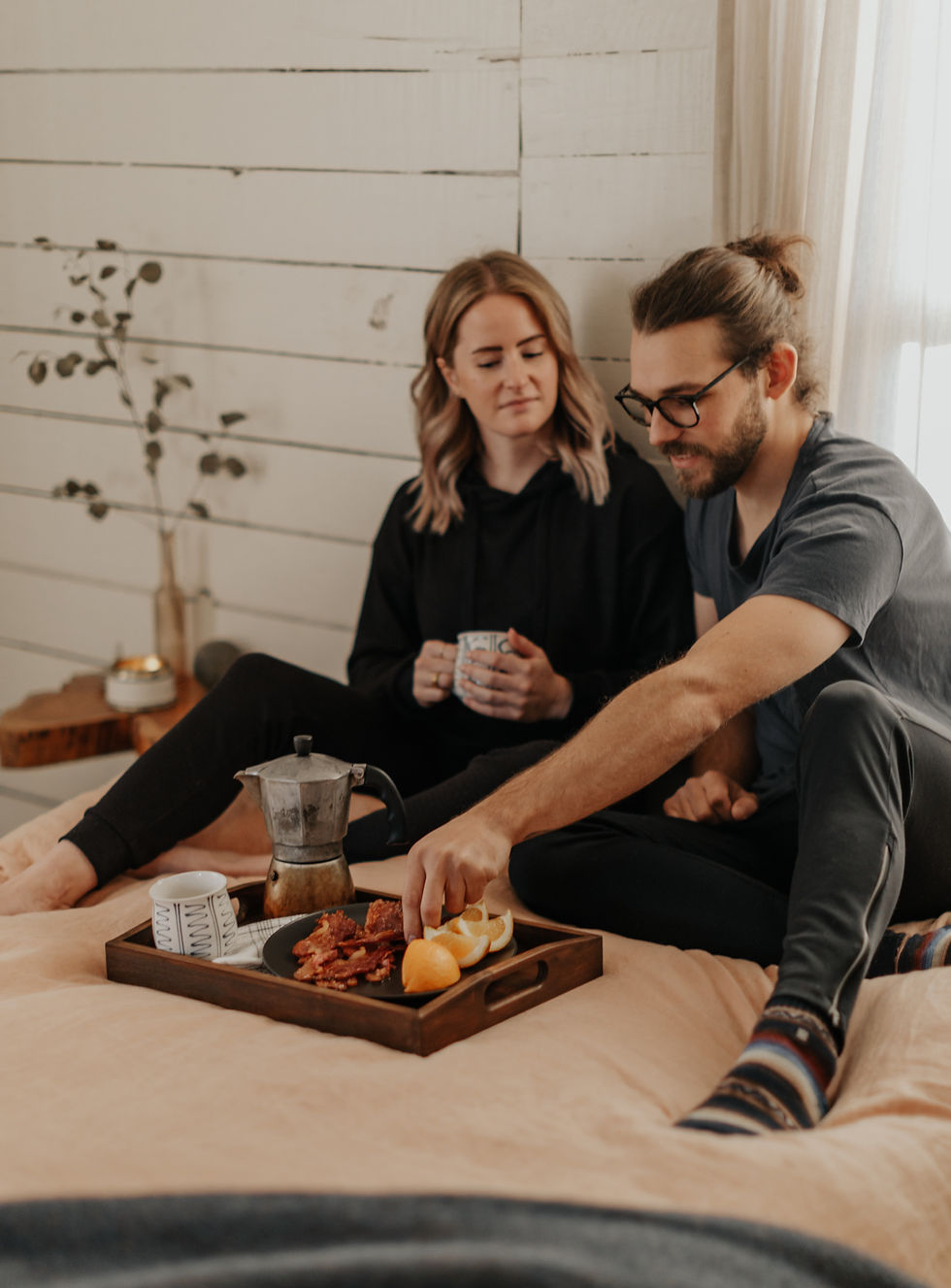
While hygge is often associated with personal comfort, it also shows up strongly in shared experiences. Meals with friends, quiet conversations over drinks, or simple evenings spent together without distractions all carry a kind of warmth that’s hard to replicate alone.
In these moments, gratitude tends to surface more easily because connection is visible in real time. You notice how conversation flows without pressure. You notice laughter that doesn’t feel forced. You notice that no one is trying to be anywhere else.
There’s something grounding about that kind of presence. It doesn’t need to be a special occasion. In fact, it often feels stronger when it isn’t.
Gratitude in these settings isn’t usually spoken out loud. It’s more like a quiet recognition that the moment doesn’t need to be improved. Nothing extra is required for it to feel complete enough as it is.
That sense of sufficiency is one of the strongest overlaps between hygge and gratitude. Both point toward the idea that ordinary connection, when fully experienced, is already meaningful.
Hygge turns everyday routines into small practices of appreciation
One of the most practical ways hygge and gratitude meet is in daily routines. These are the moments that are often rushed through without much thought—making meals, getting ready in the morning, winding down at night.
Hygge invites you to approach these moments differently, not by making them elaborate, but by making them more present. Lighting a candle while cooking, taking a moment to actually sit down while eating, or noticing the warmth of a drink instead of consuming it absentmindedly can shift the tone of the entire routine.
Even something as simple as a meal can feel different when it’s no longer purely functional. Instead of treating it as fuel and moving on immediately, there’s a brief pause where you actually register it. The taste, the warmth, the fact that you have the time and space to eat at all.
That pause doesn’t need to be long to matter. It’s the awareness itself that changes the experience. Over time, these small moments of attention accumulate, and gratitude becomes less of a deliberate practice and more of a default way of relating to everyday life.
Gratitude makes hygge more resilient over time
Without gratitude, hygge can start to feel like something you have to construct repeatedly—buying the right items, setting the right atmosphere, recreating the “perfect” cozy environment. That can quietly turn it into another form of pressure.
Gratitude shifts that dynamic. It helps you recognize that hygge isn’t dependent on ideal conditions. It can exist in familiar spaces, in ordinary routines, and in moments that don’t look particularly special from the outside.
A worn-in chair can feel hyggeligt. A familiar mug can feel comforting. A quiet evening without plans can feel like enough. None of these things need upgrading to be meaningful.

When gratitude is present, you stop needing everything to be newly arranged or improved in order to feel at ease. Instead, you start noticing what already supports you. That makes hygge more stable and less dependent on external change.
It also makes it easier to access. Instead of waiting for the “right setup,” you begin to see that small moments of comfort are already woven into daily life—you just notice them more clearly.
When hygge and gratitude work together, they don’t try to turn life into something ideal or constantly calm. Instead, they change how much of it you actually notice as it’s happening. A quiet evening, a warm drink, a familiar routine, a small moment of rest—these stop blending into the background and start to stand out just enough to matter.
It’s not about making every moment special or meaningful in a big way. It’s more about how often you actually register what’s already here. Life doesn’t need to be upgraded for that to happen. It just needs a bit more attention.
LEARN MORE:

*As an Amazon affiliate I earn from qualifying purchases.


Comments