


Teaching Kids the Value of Community Participation


Kids don’t automatically learn what it means to be part of a community. It’s not something that comes from a single lesson or a conversation—it’s something they absorb through what they see, what they experience, and what they’re gently encouraged to try. And in many ways, the idea of community participation starts much earlier than we realize, often in small everyday moments rather than formal volunteering or structured activities.
When children grow up seeing that they are connected to something beyond their immediate home, they begin to understand that the world around them is shared. Not just physically shared, but emotionally and socially shared. That shift in awareness is what eventually turns “me” into “we.”
Why Community Participation Matters for Children
At a basic level, community participation helps children understand that they are part of a larger world where people rely on one another in small but meaningful ways. This isn’t just about teaching kindness in the abstract—it’s about helping them see how kindness functions in real settings.
When kids experience community involvement, they begin to understand concepts like responsibility, cooperation, and contribution in a practical way. They see that their actions can affect others outside their immediate family. That realization can be surprisingly powerful, even in early childhood.
It also helps build emotional development. Children who participate in community activities often develop stronger empathy because they encounter a wider range of people, needs, and perspectives. Instead of only understanding their own environment, they begin to recognize that other people live different lives that still matter just as much as theirs.
Leading by Example: What Children Actually Learn First

Before children ever join in community activities themselves, they are already learning from observation. They notice how adults talk about neighbors, how they respond to local events, and whether they engage with the world beyond their household.
If a child sees a parent greeting neighbors, helping someone carry groceries, or speaking positively about local involvement, those behaviors start to feel normal. On the other hand, if they see consistent withdrawal or indifference toward the community, they may internalize that as the default way to relate to others.
This is why modeling matters more than instruction. A child is far more likely to understand community participation by watching it happen naturally than by being told it is important. The tone of everyday behavior becomes the foundation for how they interpret their role in the world.
Starting With Age-Appropriate Participation
Teaching kids about community doesn’t need to begin with formal volunteering. In fact, starting too big can feel overwhelming or abstract. Instead, it helps to introduce participation in ways that match their developmental stage.
For younger children, this might mean simple actions like greeting neighbors, helping sort donations, or participating in school-based events. These experiences are short, structured, and easy to understand. They give children a sense that helping others is a normal part of life, not something unusual or reserved for special occasions.
As children grow older, their involvement can gradually expand. They might help at a local cleanup event, participate in school fundraisers, or take part in group service projects. The key is gradual exposure—allowing responsibility and awareness to grow at a pace that feels natural rather than forced.
Helping Kids Understand the “Why” Behind It

Children are naturally curious, and they often respond better when they understand the reason behind an activity rather than just being told to do it.
Instead of framing community participation as an obligation, it helps to explain it in relatable terms. For example, helping at a food drive can be framed as making sure families have what they need.
Cleaning a park can be explained as keeping shared spaces enjoyable for everyone. These explanations help children connect actions to real-world outcomes.
When kids see that their involvement has a visible effect, even in small ways, it reinforces the idea that they are capable of contributing. That sense of agency is an important part of developing confidence and responsibility.
Making It a Shared Family Experience
One of the most effective ways to teach community participation is to make it something the family does together. When participation is shared, it becomes less like an assignment and more like a natural extension of family life.
This could include attending local events together, volunteering as a family, or even taking part in simple neighborhood activities like cleanups or school functions. The focus doesn’t have to be on the scale of the activity—it’s more about the shared experience of contributing.
Children are also more likely to engage positively when they feel included rather than directed. When they see adults participating alongside them, rather than simply instructing them from the sidelines, they begin to associate community involvement with connection rather than obligation.
Encouraging Empathy Through Real Experiences
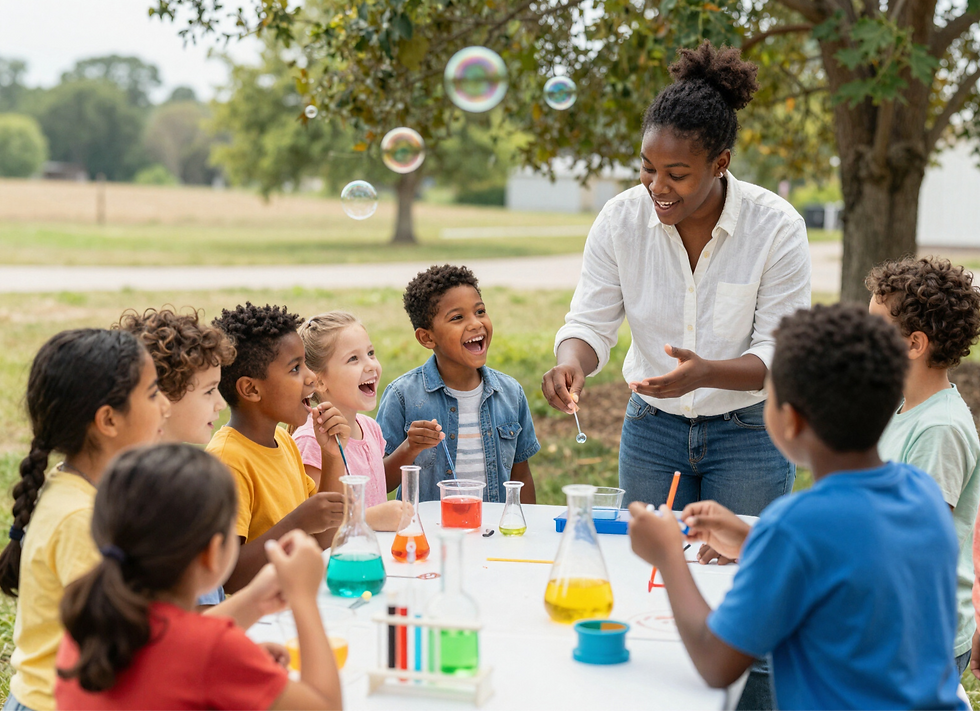
Empathy is one of the most important outcomes of community participation, and it develops most effectively through real-world exposure rather than abstract lessons.
When children interact with different people in community settings, they begin to understand that not everyone’s life looks the same. They see cooperation between people of different ages, backgrounds, and circumstances. These experiences slowly expand their understanding of others.
Even small moments can have an impact. Talking to someone at a local event, helping hand out supplies, or participating in a shared task can all help children see the value of collective effort. These experiences often stay with them more strongly than formal lessons because they are tied to action and emotion.
Avoiding Pressure and Overcommitment
While community participation is valuable, it’s also important not to turn it into something that feels forced or overly structured. Children can easily become disengaged if they feel like participation is a requirement rather than an invitation.
It helps to keep experiences light, varied, and age-appropriate. Not every activity needs to be deeply meaningful or educational in a direct sense. Sometimes simply showing up and being part of something is enough.
The goal is to build a positive association with community involvement, not to create pressure or expectation. When participation feels natural and enjoyable, children are more likely to continue it into adolescence and adulthood.
Helping Kids See Themselves as Contributors
One of the most powerful shifts that can happen over time is when children start to see themselves as people who contribute to the world around them. This doesn’t have to be in a grand or heroic sense. It can be as simple as recognizing that their actions matter in small ways.
Whether it’s helping set up chairs at a school event, assisting with a neighborhood project, or participating in a group activity, these experiences reinforce the idea that they are capable of being useful members of a larger system.
That sense of contribution builds confidence. It also helps children develop a healthier relationship with responsibility, where helping others is seen as a normal part of life rather than something separate or exceptional.

Teaching kids the value of community participation is less about instruction and more about experience. It’s something they learn gradually through observation, repetition, and small opportunities to engage.
When children are given the chance to participate in ways that feel natural and supportive, they begin to understand that they are part of something larger than themselves. Not in an abstract way, but in a lived, everyday sense.
And over time, those early experiences shape how they relate to others—not just in childhood, but long into adulthood—quietly influencing how they show up in the world and the kinds of communities they help create.
LEARN MORE:

*As an Amazon affiliate I earn from qualifying purchases.


Comments