


Exploring Different Types of Creative Arts to Find Your Passion


Creativity doesn't look the same for everyone. For one person, it might mean sitting down with a sketchbook and drawing for an hour. For someone else, it might mean writing a poem, learning a song, taking photographs, decorating a room, performing on stage, or making something with their hands.
If you've always thought of yourself as "not creative," you may simply not have found the right creative outlet yet.
There are so many different types of creative arts that it's easy to assume you need to choose one and become good at it. You don't. Exploring different creative activities is actually one of the best ways to discover what you enjoy. You may try painting and realize you prefer photography. You might take a dance class and discover that movement is much more enjoyable to you than drawing. Or you may find that you love several creative hobbies for completely different reasons.
Finding your creative passion isn't about choosing the most impressive activity or becoming exceptionally talented. It's about discovering something that makes you curious, keeps you engaged, and gives you a reason to keep coming back.
Here are some of the creative arts worth exploring and a few ways to figure out which ones might be right for you.
Start With Visual Art
Visual art is one of the most familiar forms of creative expression, but it includes far more than simply drawing and painting.
If you enjoy working with images, colors, shapes, or physical materials, visual art can give you plenty of directions to explore.
Drawing

Drawing is one of the easiest creative arts to try because you don't need much equipment.
A pencil and a piece of paper are enough to get started.
You can experiment with sketching people, animals, buildings, plants, landscapes, objects, or completely imaginary subjects. If you enjoy paying attention to details and watching an image develop gradually, drawing may be a good fit.
You don't have to begin with complicated portraits or realistic drawings. Doodling, gesture sketches, and simple observational drawings are all worthwhile places to start.
Painting

Painting opens up an entirely different set of possibilities.
You can try watercolor, acrylic, gouache, or oils, depending on your interests and budget.
Watercolor can be appealing if you enjoy loose, flowing effects and subtle color. Acrylics are versatile and relatively approachable for beginners. Oils offer rich colors and a slower drying time that allows for blending and adjustments.
You might discover that you enjoy the physical process of painting just as much as the finished image.
Illustration

Illustration combines drawing with storytelling and communication.
Illustrators create images for books, magazines, advertising, packaging, games, websites, and countless other applications.
If you like drawing but also enjoy telling stories or communicating ideas visually, illustration could be worth exploring.
You can work traditionally with pencils, pens, and paint or digitally using a tablet and drawing software.
Photography

Photography is a creative art that encourages you to look at familiar surroundings differently.
You don't need an expensive camera to begin. A smartphone can teach you plenty about composition, lighting, perspective, timing, and storytelling.
Try photographing ordinary things from unusual angles.
Experiment with shadows.
Look for interesting colors.
Take a series of photographs around a particular theme.
If you enjoy noticing details that other people overlook, photography may quickly become addictive.
Digital Art

Digital art allows you to create illustrations, paintings, collages, animations, and other visual work using computers or tablets.
It can be particularly appealing if you like technology as much as traditional art.
One advantage of digital art is the ability to experiment without permanently changing your original work. You can create layers, undo mistakes, adjust colors, and try different versions of an idea.
Explore the Written Arts

If you enjoy words, ideas, stories, or expressing thoughts through language, writing may be your creative outlet.
Creative Writing
Creative writing includes fiction, short stories, novels, flash fiction, and other imaginative forms.
You can create characters, invent worlds, explore relationships, or build stories around situations you've imagined.
You don't have to start with a novel.
Try writing a one-page story or a scene between two characters.
See whether you enjoy the process of turning an idea into words.
Poetry
Poetry offers a different kind of creative freedom.
You can experiment with imagery, rhythm, sound, emotion, and language without having to follow the structure of a traditional story.
You don't need to know every poetic form before you begin.
Write about a memory.
Describe a place.
Capture a feeling.
Start with an image that interests you and see where it leads.
If you enjoy playing with language, poetry may be a natural fit.
Journaling
Journaling is sometimes overlooked as a creative practice because it doesn't necessarily produce something intended for an audience.
But writing regularly can be deeply creative.
You can keep a traditional journal, write morning pages, create a gratitude journal, or experiment with visual journaling that combines words and drawings.
Because there are no expectations about publishing or performing, journaling can be a comfortable way to discover what kinds of writing you enjoy.
Creative Nonfiction
Not every writer wants to invent stories.
Creative nonfiction allows you to explore real experiences using storytelling techniques.
Personal essays, memoir, travel writing, profiles, and narrative nonfiction can all combine factual material with strong writing and storytelling.
If you enjoy telling true stories or reflecting on real experiences, this may be a better fit than fiction.
Try Performing Arts
Some people discover their creativity through movement, sound, and performance rather than sitting quietly at a desk.
Dance

Dance combines physical movement with music, rhythm, emotion, and expression.
You can explore ballet, hip-hop, jazz, contemporary, tap, ballroom, salsa, or many other styles.
You don't need to be naturally flexible or coordinated.
Beginner classes are designed to teach you the basics.
Dance can also be explored at home through beginner tutorials and freestyle movement.
If music makes you want to move, pay attention to that feeling.
Acting

Acting allows you to explore characters, emotions, stories, and human behavior.
You can start with a local beginner class, community theater group, or simple acting exercises at home.
Try reading a monologue aloud.
Practice expressing the same sentence with different emotions.
Record yourself performing a short scene.
If you enjoy stepping into different personalities and telling stories through performance, acting could be a strong creative outlet.
Singing

You don't have to consider yourself a "good singer" to enjoy singing.
Singing is both a creative activity and a way of connecting with music.
You can sing privately at home, join a community choir, take lessons, or simply sing along with your favorite songs.
If you enjoy experimenting with melodies and your voice, explore it without worrying about whether you're ready for a stage.
Musical Instruments

Learning an instrument can be a creative journey that combines technical practice with expression.
You might try piano, guitar, ukulele, drums, violin, keyboard, or another instrument that interests you.
Think about the kind of music you enjoy listening to.
If you love acoustic music, guitar or ukulele might appeal to you.
If you're drawn to classical music, piano or violin could be interesting.
If rhythm is what catches your attention, percussion might be worth exploring.
You don't have to master an instrument to benefit from playing it.
Explore Craft-Based Arts
If you like working with your hands and seeing a physical object develop, crafts may be your creative sweet spot.
Pottery and Ceramics

Working with clay is a very tactile creative experience.
You can shape, carve, texture, and glaze clay to create bowls, mugs, sculptures, vases, and decorative objects.
Many people enjoy pottery because it requires them to slow down and pay attention to the material in front of them.
Local pottery studios often offer beginner classes, which can be a great way to try it without buying a kiln or a large collection of supplies.
Knitting and Crochet

Knitting and crochet combine creativity with repetitive, relaxing movements.
You can make scarves, blankets, hats, clothing, toys, and decorative pieces.
These crafts also offer a satisfying progression. You can begin with simple stitches and gradually learn more complicated patterns.
If you enjoy working with color and texture while doing something calming with your hands, try one of these crafts.
Sewing

Sewing can be both practical and artistic.
You can make clothing, bags, pillows, quilts, costumes, stuffed animals, and home decorations.
Beginners can start with simple projects such as a tote bag or pillowcase before moving into more complicated patterns.
If you enjoy designing something and then turning fabric into a finished object, sewing can be particularly rewarding.
Jewelry Making

Jewelry making gives you the chance to experiment with color, shape, texture, and materials on a small scale.
You can work with beads, wire, clay, metal, stones, or other materials.
It can be a good option if you like detailed work and enjoy creating small objects with a finished, polished appearance.
Woodworking

Woodworking combines creativity with practical skills.
You might start with small projects such as shelves, boxes, picture frames, or simple furniture.
It can appeal to people who enjoy designing, measuring, building, and working with natural materials.
The finished object also gives you something useful to keep or give away.
Explore Design
Design sits at the intersection of creativity and problem-solving.
If you enjoy making things look good but also like figuring out how things should work, design may interest you.
Graphic Design

Graphic design involves combining typography, images, color, and layout to communicate an idea.
You might create posters, logos, brochures, social media graphics, packaging, or digital advertisements.
You can start with simple design software and experiment with basic principles such as alignment, contrast, spacing, and typography.
Interior Design

Interior design allows you to work with spaces rather than individual objects.
If you've always enjoyed rearranging furniture, choosing paint colors, creating mood boards, or figuring out how to make a room feel more inviting, you may already have an interest in interior design.
You can begin simply by redesigning a room in your own home or creating digital mood boards for imaginary spaces.
Fashion Design

Fashion combines visual design, fabric, construction, and personal expression.
You don't have to know how to sew to explore it.
Start by sketching clothing ideas, creating mood boards, studying fabrics, or experimenting with styling outfits.
If you enjoy thinking about clothing as a form of self-expression, fashion could be worth exploring.
Try Film and Video

If you enjoy both storytelling and technology, filmmaking or video creation can bring those interests together.
You can start with a smartphone.
Create a short video about a place you love.
Film a mini travel story.
Create a simple interview.
Experiment with editing music and clips together.
You can gradually learn about lighting, composition, sound, editing, storytelling, and directing.
Video can be especially appealing if you enjoy combining several creative skills rather than focusing on only one.
Explore Animation

Animation brings drawings, illustrations, or digital objects to life.
You can experiment with simple frame-by-frame animation, stop-motion, or digital animation.
You don't have to begin with a complicated short film.
Try animating a bouncing ball.
Make a simple character blink.
Create a short stop-motion sequence using objects around your home.
Animation can be a great choice if you enjoy drawing and storytelling but also like technology and experimentation.
Try Collage and Mixed Media

If choosing a single medium feels restrictive, collage and mixed media may be a better fit.
You can combine photographs, magazine pages, paint, drawings, fabric, found objects, text, and other materials.
There are few rules.
This can be particularly fun if you have lots of creative ideas and don't want to limit yourself to pencils, paint, or digital tools.
Explore Food as a Creative Art

Cooking and baking aren't always described as creative arts, but they involve many of the same skills.
You make decisions about color, texture, flavor, presentation, composition, and experimentation.
If you enjoy trying new recipes, decorating cakes, creating beautiful meals, or improvising with ingredients, food may be one of your creative outlets.
You might discover that plating food feels surprisingly similar to arranging a photograph or composing a painting.
Try Gardening as a Creative Practice

Gardening combines nature, design, patience, and experimentation.
You can plan the layout of a garden, choose combinations of flowers, experiment with containers, create herb gardens, or design an outdoor space.
If you enjoy working with living things and watching an idea develop over time, gardening can be a deeply satisfying creative hobby.
Look for Creative Activities That Combine Multiple Interests
You don't necessarily have to choose between your interests.
Some creative activities combine several forms of art.
For example:
Photography + travel: Create visual travel stories.
Writing + photography: Start a photo journal with written reflections.
Music + video: Create music videos or short films.
Drawing + storytelling: Develop illustrated stories or comics.
Sewing + design: Create your own clothing or costumes.
Dance + acting: Explore musical theater.
Painting + interior design: Create artwork specifically for rooms and spaces.
Sometimes your ideal creative outlet is found at the intersection of several interests.
Pay Attention to What Makes You Lose Track of Time
One of the best clues to finding your creative passion is noticing what absorbs your attention.
What activity makes an hour feel like twenty minutes?
What do you find yourself researching without being asked?
What do you naturally practice when you have free time?
What do you look forward to doing?
Those are useful clues.
You don't have to feel completely obsessed with an activity immediately. But genuine curiosity is often a good sign.
Notice What You Enjoy About the Process
You may discover that you don't actually love the finished product as much as you love making it.
Maybe you enjoy mixing paint more than displaying paintings.
Maybe you love editing photographs more than taking them.
Maybe you enjoy writing ideas but don't care about publishing.
Maybe the physical process of knitting is more satisfying than wearing what you make.
Pay attention to which parts of an activity feel enjoyable.
That's where your creative interests may be hiding.
Don't Assume You Have to Be Naturally Talented

Talent can be helpful, but it shouldn't determine whether you try something.
You may be terrible at drawing during your first month and still eventually become a skilled artist.
You may have no rhythm when you begin dancing.
Your first photographs may be poorly composed.
Your first stories may be awkward.
That's normal.
Creativity develops through practice.
Instead of asking, "Am I naturally good at this?" ask, "Do I enjoy learning this?"
Enjoyment is a much better reason to continue.
Try Before You Invest Heavily
You don't need to buy every supply associated with a new hobby.
Before purchasing a professional camera, expensive paints, or a full woodworking setup, try the basics.
Borrow equipment.
Take a beginner class.
Use supplies you already have.
Rent equipment when possible.
Watch introductory lessons.
Give yourself enough time to determine whether you actually enjoy the activity before investing heavily.
Take Beginner Classes
Classes can be a great way to explore an unfamiliar creative field.
A teacher can show you techniques, provide structure, and help you avoid some common beginner frustrations.
Classes also introduce you to other people who are learning.
Look for community centers, libraries, art studios, recreation programs, dance schools, theaters, music schools, and local creative groups.
You don't need to commit to a long-term program.
A single introductory class can tell you a lot.
Give Each Hobby More Than One Try
Don't decide you hate an activity after ten minutes.
Your first experience may be awkward simply because you don't know what you're doing.
Try it several times.
For example, your first watercolor painting may look nothing like you imagined. The second might be a little easier. By the fifth, you may begin understanding how much water to use.
Give yourself enough time to get past the initial unfamiliarity.
At the same time, don't force yourself to continue something you genuinely dislike just because you think you should.
Create a Creative Experiment List

If you're not sure where to start, make a list of activities you've always been curious about.
Include things you've never tried.
For example:
Watercolor painting
Photography
Pottery
Creative writing
Dance
Singing
Guitar
Drawing
Sewing
Jewelry making
Acting
Digital illustration
Woodworking
Graphic design
Film editing
Gardening
Choose one activity each month and give it a fair try.
At the end of the month, ask yourself whether you want to continue.
Keep Your Expectations Low and Your Curiosity High
When you're trying something new, don't immediately ask whether you could become an expert.
Ask whether you're curious.
What happens if you try a different technique?
What happens if you use a different material?
What happens if you practice for another week?
Curiosity makes experimentation enjoyable.
High expectations can make it feel like an audition.
Let Your Interests Change
You don't have to choose one creative passion forever.
You may spend a year painting and then become fascinated by photography.
You might write poetry for a while and later discover pottery.
You may enjoy several creative activities at the same time.
That's not a lack of focus.
It's simply part of being curious.
Some creative hobbies may become lifelong passions, while others may simply give you an enjoyable experience for a season.
Both are valuable.
Don't Turn Every Creative Hobby Into a Business
There's nothing wrong with making money from your creativity.
But not every hobby needs to become a side hustle.
If you turn every enjoyable activity into something you need to sell, promote, market, and monetize,
you can quickly lose the sense of freedom that made it enjoyable.
It's okay to create something that nobody buys.
It's okay to paint something just for your own wall.
It's okay to write a story that stays in a drawer.
It's okay to dance without performing.
Sometimes creativity is most enjoyable when there is nothing to prove.
Follow Your Curiosity

Your creative passion may not announce itself immediately.
It might begin as a small curiosity.
You see someone working with clay and think, "That looks fun."
You hear a song and wonder what it would be like to play it.
You notice a beautiful photograph and want to understand how it was made.
You read a poem and suddenly want to write one.
Pay attention to those moments.
Curiosity is often the beginning of a creative path.
Let Yourself Explore
Finding your creative passion isn't about making the perfect choice.
It's about trying things.
Draw.
Paint.
Write.
Dance.
Sing.
Take photographs.
Make something with clay.
Learn an instrument.
Try sewing.
Create a video.
Design a room.
Plant a garden.
Make a collage.
You don't have to be good at any of these things right away.
You simply have to be willing to explore.
Eventually, you may find yourself returning to one particular activity again and again. Maybe you love the quiet concentration of drawing, the physical energy of dance, the storytelling of writing, the hands-on nature of pottery, or the endless possibilities of photography.
And even if you don't find one single lifelong passion, that's okay too.
Creative life doesn't have to be about finding "the one."
It can be about building a collection of activities that make your life more interesting, expressive, and enjoyable.
Your passion may be waiting in something you've never tried before. Give yourself permission to experiment, be a beginner, make mistakes, and follow whatever sparks your curiosity next.
LEARN MORE:
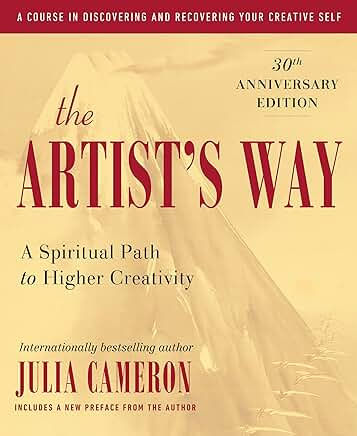
*As an Amazon affiliate I earn from qualifying purchases.


Comments