


Common Feng Shui Mistakes That Block Positive Energy


Feng Shui is the art of arranging your environment so that chi—your life force energy—can flow with ease and intention. When your home supports that flow, it often feels calmer, more energizing, and more aligned with the life you want to live. When it doesn’t, even subtle imbalances can show up as stress, fatigue, lack of clarity, or a feeling that something is “off.”
Most Feng Shui mistakes aren’t dramatic—they’re the result of everyday habits, overlooked details, or spaces that haven’t been revisited in a while. The good news is that with awareness and a few intentional shifts, you can significantly improve the energy in your home.
Clutter That Stagnates Energy
Clutter is one of the most impactful energy blockers because it interrupts movement—both physically and energetically. When items accumulate on surfaces, floors, or in storage areas, they create pockets where energy becomes stuck rather than flowing freely. This can translate into mental fog, procrastination, or a sense of being overwhelmed without knowing exactly why.
Clutter also carries emotional weight. Items tied to past versions of yourself, unfinished projects, or “someday” plans can quietly drain your energy by keeping you anchored in what was rather than what is. Even neatly stored clutter—like overstuffed closets or packed drawers—still contributes to this stagnation.
Shift it: Approach decluttering as an ongoing practice rather than a one-time task. Work in small sections and make decisions with intention. Keep what feels useful, meaningful, or aligned with your current life, and release the rest. Create systems that make it easy to maintain order, and allow for open, empty spaces where energy can move freely. The goal isn’t minimalism—it’s flow.
A Neglected Entryway
Your entryway is often called the “mouth of chi” because it’s where energy, opportunities, and experiences enter your home. If this space is cluttered, dim, or difficult to navigate, it can symbolically and energetically restrict what’s able to come into your life. A cramped or chaotic entrance can also create a subtle sense of resistance each time you enter or leave.
This area sets the emotional tone for your home. If it feels welcoming and open, it encourages ease and positivity. If it feels disorganized or forgotten, it can create low-level stress that carries into the rest of your space.

Shift it: Keep pathways clear so the door opens fully and smoothly. Remove unnecessary items and organize essentials like shoes, bags, and keys so they have a designated place. Add elements that invite positive energy in—good lighting, a clean mat, a healthy plant, or a meaningful piece of decor. Even scent can play a role; a fresh, clean smell can subtly enhance the feeling of welcome.
Poor Lighting Choices
Lighting directly influences how energy is experienced in a space. In Feng Shui, light represents vitality, clarity, and presence. When a room is too dark, it can feel heavy, stagnant, or even isolating. On the other hand, lighting that is too harsh or overly bright can feel jarring and create tension rather than comfort.
Rooms with uneven lighting—bright in some areas and shadowy in others—can also create an imbalance that affects how you feel in the space. Over time, poor lighting can impact mood, focus, and overall well-being.

Shift it: Aim for a layered approach to lighting. Use natural light as much as possible during the day by opening curtains and minimizing obstructions. In the evening, combine ambient lighting (overhead), task lighting (lamps), and accent lighting to create depth and balance. Choose warm, soft bulbs for living and sleeping areas, and make sure darker corners are gently illuminated to prevent stagnant energy from settling.
Holding Onto Broken or Unused Items
Broken items—whether it’s a chipped dish, a cracked picture frame, or a malfunctioning drawer—carry a subtle but persistent message of neglect. In Feng Shui, this can reflect areas of your life where energy feels stuck, incomplete, or unsupported. These items can create small but cumulative disruptions in how your space feels.
Unused items can have a similar effect. When you hold onto things out of guilt, obligation, or “just in case” thinking, they can weigh down your environment and create unnecessary energetic clutter.
Shift it: Regularly walk through your home with fresh eyes and notice what isn’t functioning properly. Repair items that truly matter to you, but release those that no longer serve a purpose. Letting go of unused belongings creates space for new energy, experiences, and opportunities to enter. It also reinforces a sense of care and intentional living.
Misplaced Mirrors
Mirrors are powerful because they double and reflect whatever they face. This makes them useful for enhancing light, expanding space, and redirecting energy—but it also means they can amplify chaos or push energy away if used incorrectly.
A mirror facing the front door can reflect incoming energy right back out, while mirrors in busy or cluttered areas can double the sense of disorder. In bedrooms, mirrors facing the bed may create restlessness or interfere with deep, restorative sleep.

Shift it: Use mirrors with purpose. Place them where they reflect something calm, beautiful, or meaningful—like natural light, greenery, or open space. Avoid positioning them in ways that create visual tension or disrupt rest. When used thoughtfully, mirrors can enhance flow and bring a sense of expansion rather than confusion.
Poor Bed Placement
Your bed is a place of rest, vulnerability, and restoration, making its placement especially important in Feng Shui. If your bed is positioned in a way that feels exposed—such as directly in line with the door—or unsupported, like under a window without a solid backing, it can create subtle stress in the body.
This kind of tension may not be immediately obvious, but over time it can affect sleep quality, relaxation, and even your sense of emotional security.
Shift it: Position your bed so you can see the door without being directly aligned with it—this is known as the “command position.” Use a solid headboard to provide support and grounding, and aim for balance with space on both sides of the bed. Avoid placing the bed under heavy beams or slanted ceilings if possible. The goal is to create a space that feels safe, supported, and conducive to deep rest.
Too Many Electronics
Electronics introduce active, stimulating energy into a space. While necessary in modern life, an overabundance of devices—especially in areas meant for rest—can disrupt the natural balance of energy. This can make it harder to relax, focus, or disconnect mentally.
Even when not in use, electronics can contribute to a sense of busyness or distraction, particularly if they dominate the visual space.
Shift it: Be mindful of where and how you use technology. Keep bedrooms as calm and screen-free as possible, or at least limit the number of devices present. Turn off or unplug electronics when they’re not in use, and create boundaries around screen time in certain areas. This helps restore a sense of calm and allows your space to better support rest and presence.
Ignoring Bathroom Energy
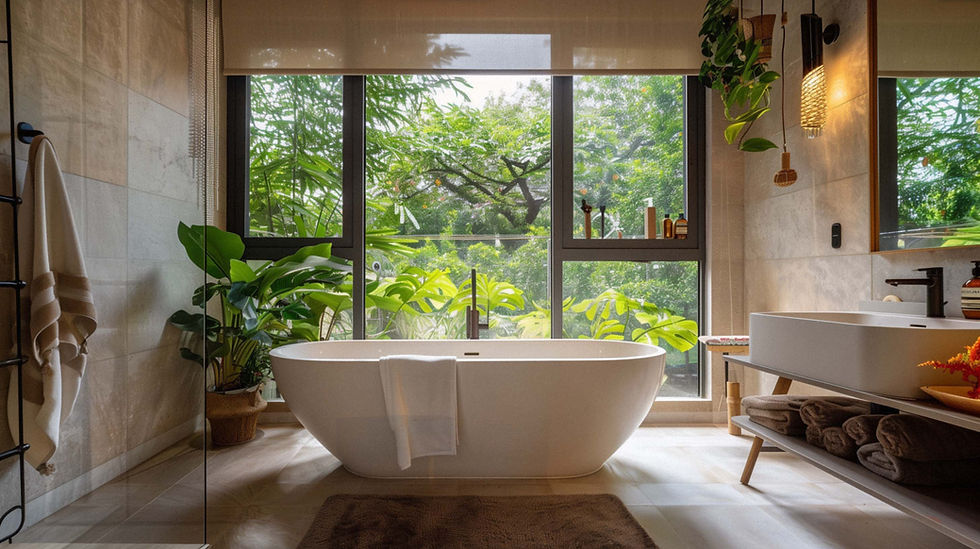
Bathrooms are closely associated with water, which in Feng Shui symbolizes wealth and energy flow. Because water is constantly entering and leaving this space, it can create an energetic imbalance if not managed properly. Leaks, clutter, or neglect can amplify the sense of energy being drained away.
Bathrooms can also become energetically “heavy” if they’re not kept clean and fresh, affecting the surrounding areas of the home.

Shift it: Maintain your bathroom with care. Fix leaks quickly, keep surfaces clean, and ensure proper ventilation. Close the toilet lid and bathroom door when not in use to symbolically contain energy. Incorporate grounding elements—like wood, earth tones, or plants—to balance the strong water energy and create a more stable, harmonious environment.
Overcrowded Rooms
A room filled with too much furniture or decor can restrict movement and overwhelm the senses. In Feng Shui, energy needs space to circulate, and when pathways are blocked or the eye has too much to process, it can create tension and discomfort.
Overcrowding can also make it difficult to fully relax, as the mind is constantly stimulated by visual clutter and lack of openness.
Shift it: Edit your space thoughtfully. Choose furniture and decor that serve a purpose or bring genuine joy, and remove anything that feels excessive. Arrange pieces in a way that allows for easy movement and clear sightlines. Even small adjustments—like removing one piece of furniture or creating more space between items—can significantly improve the flow of energy.
Lack of Nature
Nature is a powerful source of balanced, life-giving energy. Without it, a space can feel flat, disconnected, or lacking in vitality. Natural elements help regulate energy, soften harsh environments, and bring a sense of renewal and growth.
A home that lacks greenery, natural textures, or organic elements may feel sterile or uninspiring over time.

Shift it: Introduce natural elements in ways that feel authentic to you. Add plants, fresh flowers, wooden furniture, stone accents, or natural fabrics like cotton and linen. If live plants aren’t practical, artwork or imagery of nature can also be effective. Opening windows for fresh air and allowing sunlight in are simple but powerful ways to reconnect your home with natural energy.
Harsh Lines and Sharp Corners
Sharp edges and rigid lines can create what Feng Shui calls “cutting energy,” which can feel subtly aggressive or uncomfortable. This is especially noticeable when sharp corners are pointed toward areas where you sit, sleep, or spend a lot of time.
Over time, this type of energy can contribute to a sense of unease or tension, even if you can’t immediately identify the cause.
Shift it: Soften your space by incorporating curves, textures, and layered materials. Choose furniture with rounded edges when possible, and use rugs, curtains, and cushions to balance sharper lines. You can also position plants or decor strategically to soften corners. The goal is to create a space that feels gentle, supportive, and easy to settle into.
Emotional Clutter
Emotional clutter is often the most overlooked yet most impactful form of energy blockage. Items tied to past relationships, difficult memories, or outdated identities can hold onto emotional energy long after their relevance has passed. Even if these items are out of sight, they can influence how you feel in your space.
Holding onto these objects can make it harder to move forward, as they subtly anchor you to the past.
Shift it: Take time to reflect on the emotional significance of your belongings. Notice how certain items make you feel, and be honest about whether they still belong in your life. Letting go of emotionally heavy objects can be a powerful act of release, creating space for new experiences, relationships, and energy to enter.
Final Thoughts
Feng Shui is not about rigid rules or perfect spaces—it’s about creating an environment that supports you on a deeper level. When your home allows energy to flow freely, it naturally feels more peaceful, energizing, and aligned with your life.
By addressing these common Feng Shui mistakes with awareness and intention, you can create subtle but meaningful improvements in your space. Over time, these changes build on each other, transforming your home into a place that not only looks good—but truly feels balanced, supportive, and alive.
LEARN MORE:

*As an Amazon affiliate I earn from qualifying purchases.


Comments