


Feng Shui Bedroom Ideas for Better Sleep and Relaxation


There’s a certain kind of tired that sleep alone doesn’t fix. It’s the kind that lingers in your mind, in your body, in the feeling of being slightly overstimulated even when the day is done. A feng shui bedroom is designed to help with exactly that—not just to help you fall asleep, but to help you fully unwind.
In feng shui, your bedroom is considered one of the most important spaces in your home because it’s where your energy is most vulnerable and most restorative. It’s where you reset emotionally, mentally, and physically. The goal isn’t perfection—it’s creating a space that quietly supports rest, softness, and ease.
Let’s go deeper into practical feng shui bedroom ideas that can genuinely improve sleep and relaxation.
Start With the Feeling You Want to Create
Before you move a single object, it helps to tune into the feeling of the room you want.
Feng shui always begins with awareness. Instead of asking, “What should I change?” start with, “How do I want to feel when I enter this room?”
Most people are aiming for something like:
Deep calm
Emotional safety
Quietness in the mind
A sense of being held or supported
Ease in falling asleep and staying asleep
Once you name that feeling, it becomes a kind of compass. You can start asking: Does this object, color, or layout support that feeling—or pull away from it?
Even this shift in thinking can already begin to change how you interact with your space.
Position Your Bed for Stability and Calm
Your bed is the anchor of your bedroom, and in feng shui, its placement is one of the most important factors for rest.
The ideal position is called the “command position,” which means:
You can see the door clearly while in bed
You are not directly in line with the door
Your headboard is against a solid, supportive wall

This placement creates a subtle sense of security. Your nervous system relaxes more easily when it doesn’t feel “surprised” by movement or energy entering the room.
If your room layout doesn’t allow for perfect placement, you can still support balance by:
Using a strong, solid headboard to create grounding
Placing a rug under the bed to anchor the space
Adding soft furniture or décor that creates a sense of protection around the bed
It’s less about strict positioning and more about helping your body feel safe enough to fully relax.
Keep the Space Under Your Bed Light and Clear
In feng shui, what’s beneath your bed matters because it influences your subconscious energy while you sleep.
When the space under the bed is filled with clutter, storage, or emotionally heavy items, it can create a subtle sense of stagnation—even if the room looks tidy on the surface.
Ideally, this space should be as open as possible to allow energy to circulate freely.
If you do need to store items there, try to:
Keep things organized and contained in soft bins
Avoid storing work-related items or emotionally charged objects
Keep it minimal and intentional, not overloaded
Think of it this way: your sleep energy needs space to move, breathe, and reset.
Soften the Room With Color and Texture
Color is one of the most immediate ways a room communicates energy to your body.
For a feng shui bedroom, the goal is not stimulation—it’s softness and ease. That usually means avoiding overly bright, high-contrast colors and instead leaning toward calming tones like:
Warm neutrals (beige, ivory, soft browns)
Muted greens and blues
Dusty pinks or lavender tones
Earth-inspired shades that feel grounded
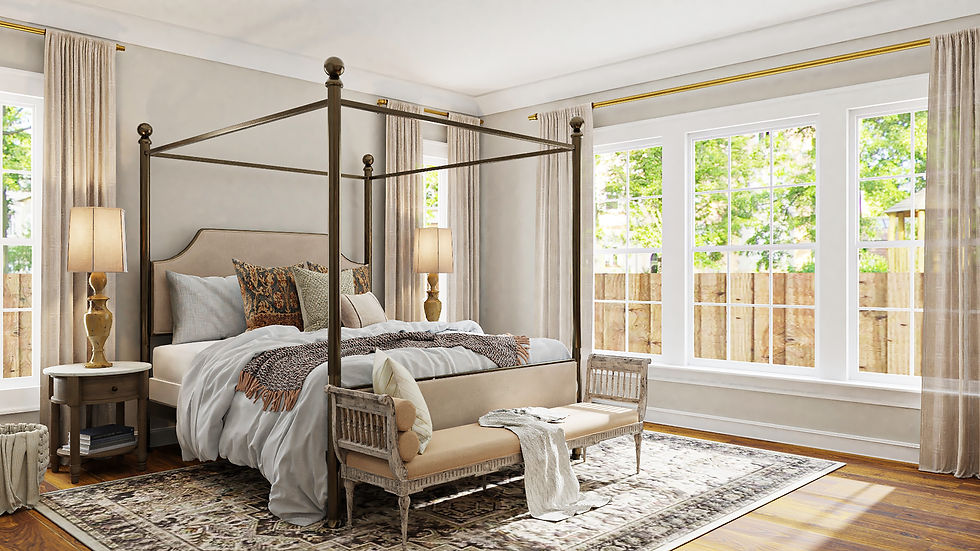
You don’t need to repaint walls to make a difference. Bedding, curtains, rugs, and even artwork can shift the entire emotional tone of the room.
Texture is just as important. Soft, natural materials help signal safety to the body:
Linen or cotton bedding
Wool or woven throws
Natural wood accents
Soft, layered fabrics that feel comforting to touch
A room that feels good physically is a room that supports better rest.
Reduce Electronics and Mental Overstimulation
One of the biggest modern feng shui challenges is electronics in the bedroom.
Phones, tablets, TVs, and even small glowing lights all send signals of alertness to the brain. Even when you think you’re relaxed, your nervous system may still be slightly “on.”
In feng shui, the bedroom should feel like a pause from stimulation—not an extension of the outside world.
Helpful adjustments include:
Keeping your phone away from your bed or using airplane mode at night
Avoiding TVs in the bedroom when possible
Covering or removing blinking lights from chargers or devices
Keeping work materials out of sight
Even small shifts—like charging your phone across the room—can noticeably change how deeply you rest.
Use Lighting That Signals Rest
Lighting affects your circadian rhythm more than most people realize. Harsh, bright light keeps your body in an alert state, while soft, warm lighting signals that it’s time to wind down.

In a feng shui bedroom, aim for layered, gentle lighting:
Warm bedside lamps instead of overhead lights
Dimmable bulbs to gradually reduce brightness at night
Soft, ambient light sources rather than direct glare
Natural light during the day to support healthy rhythm
Think of lighting as a transition tool. In the evening, it should slowly guide your body from “doing” into “resting.”
Keep the Bedroom Visually Simple
Even a beautifully decorated room can feel overwhelming if there’s too much happening visually.
Feng shui emphasizes simplicity in the bedroom because your mind needs space to quiet down.
This doesn’t mean bare or empty—it means intentional. A restful bedroom might include:
A comfortable, well-loved bed
A few meaningful objects (not many)
Clear surfaces where possible
Thoughtful storage that keeps visual noise hidden
When your eyes can rest easily in a space, your mind tends to follow.
Bring in Gentle, Natural Elements
Nature has a naturally regulating effect on the nervous system, which is why it’s such a core part of feng shui.

You can bring this energy into your bedroom in soft, subtle ways:
A healthy plant or two (if it feels calming rather than distracting)
Wooden furniture or natural finishes
Stone, ceramic, or woven accents
Artwork that reflects nature or peaceful imagery
The goal isn’t to turn your bedroom into a forest—it’s to bring in quiet reminders of the natural world, which tends to feel grounding and steady.
Create a Space That Supports True Rest
At its core, feng shui for the bedroom isn’t about strict rules or perfect design. It’s about creating a space where your body feels safe enough to fully let go.
When your bedroom supports rest, something subtle begins to shift. Sleep becomes easier. Mornings feel a little clearer. And your home starts to feel like it’s working with you instead of against you.
You don’t need to do everything at once.
Start with one change. Maybe it’s clearing your nightstand. Maybe it’s moving your bed slightly. Maybe it’s softening your lighting at night.
Over time, those small adjustments build into something bigger—a bedroom that doesn’t just look peaceful, but actually helps you feel it.
Learn More:

*As an Amazon affiliate I earn from qualifying purchases.


Comments