


How to Bring Nature Indoors with Feng Shui Design

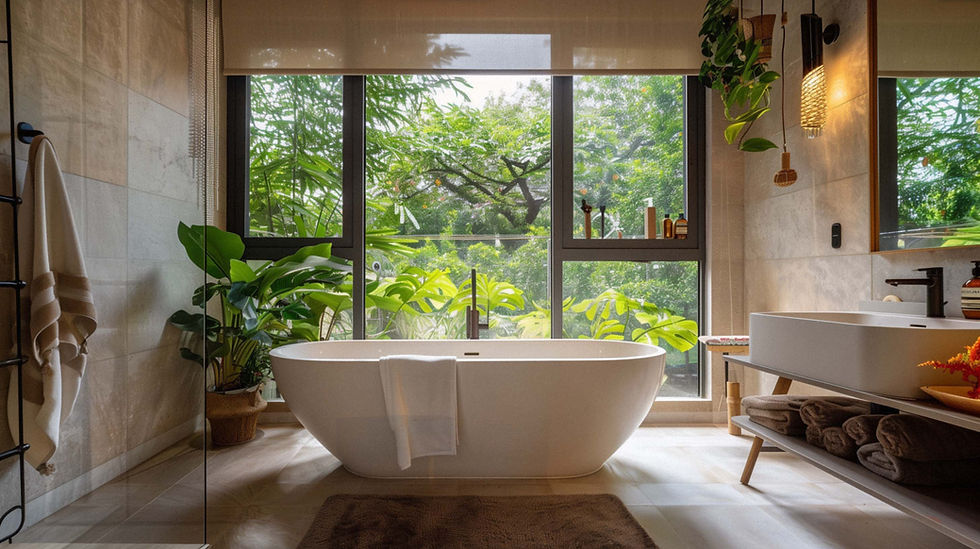
Bringing nature into your home through Feng Shui isn’t about turning your space into a perfect indoor garden or copying a magazine aesthetic. It’s more about reintroducing natural balance into environments that are often dominated by screens, artificial lighting, and synthetic materials.
In Feng Shui, nature is considered a stabilizing force. It softens energy, restores emotional balance, and helps a home feel more connected to the outside world. Even small natural touches can change how a space feels—sometimes more than a full redesign.
What matters most is not how much nature you add, but how intentionally you weave it into your everyday environment so it actually supports the way you live.
Plants: The Easiest Way to Shift Energy

Plants are usually the first thing people think of when bringing nature indoors, and for good reason—they make an immediate difference. In Feng Shui, plants represent the wood element, which is connected to growth, vitality, flexibility, and steady forward movement. That’s why they often feel so “alive” in a space, even when everything else is still.
What’s interesting is how quickly plants can change the emotional tone of a room. A corner that felt empty or slightly forgotten suddenly feels more active. A flat, neutral room starts to feel softer and more layered. Even a single plant on a table can shift the atmosphere more than people expect.
Different plants can also influence the feel of a space in subtle ways. Larger leafy plants tend to create a sense of grounding and stability, almost like they’re anchoring a room. Smaller plants feel lighter and more delicate, adding freshness without taking up too much visual weight.
Placement matters just as much as the plant itself. A plant placed in a stagnant corner can “wake up” that area. A plant near a window can help connect the indoors to natural light and movement outside. Even grouping a few plants together can create a stronger sense of natural energy in a room that otherwise feels too static or rigid.
The key isn’t perfection or plant collecting—it’s noticing where a space feels a little flat and letting something living gently shift that energy.
Natural Light: Letting the Outside In

Natural light is one of the most powerful but underestimated elements in Feng Shui design. It shapes not just how a space looks, but how it feels emotionally and energetically throughout the day.
When sunlight enters a room, it does more than brighten it. It brings movement, warmth, and a subtle sense of connection to the outside world. Spaces with good natural light tend to feel more open and emotionally lighter, while darker spaces can sometimes feel more enclosed or stagnant if not balanced carefully.
What’s nice is that working with natural light doesn’t usually require major changes. Sometimes it’s as simple as noticing what’s blocking it—heavy curtains, furniture placed too close to windows, or clutter that interrupts the flow of light through a room.
Even small adjustments can make a noticeable difference. Lighter curtains allow sunlight to filter in more gently. Keeping window areas clear helps light spread more evenly. Mirrors placed thoughtfully can reflect light into darker corners, giving the whole room a more balanced feel.
The goal isn’t to flood every space with brightness. It’s more about letting light move naturally so the home feels connected to the rhythm of the outside world instead of cut off from it.
Wood Elements: Grounding and Stability

Wood is one of the most important materials in Feng Shui because it carries a steady, growing kind of energy. It represents stability, flexibility, and gradual progress—not rushed movement, but consistent forward flow.
You feel this energy most clearly in natural wood furniture or finishes. A wooden table, chair, or floor immediately adds warmth to a space that might otherwise feel too cold or artificial. Even smaller wooden accents—frames, bowls, shelves—can subtly shift the tone of a room.
What wood does especially well is soften environments that feel too sharp or sterile. Modern spaces with a lot of metal, glass, or synthetic surfaces can sometimes feel a little emotionally distant. Wood brings back a sense of familiarity and warmth that makes those spaces easier to relax in.
The texture matters too. Raw or lightly finished wood tends to feel more grounded and natural than heavily processed or glossy finishes. It doesn’t need to be rustic, but it should feel like it still has some connection to its natural origin.
When wood is present in a balanced way, a space often feels more stable—not heavy, just steady, like it has a calm foundation underneath everything else.
Water Elements: Calm and Flow

Water energy in Feng Shui is all about flow, emotional ease, reflection, and release. It’s the opposite of stuck or rigid energy—it encourages softness and movement, both mentally and emotionally.
You don’t need literal water features to bring this into your home. In fact, it’s often more about suggestion than literal representation. Glass surfaces, mirrors, reflective décor, or artwork featuring water or open landscapes can all introduce that sense of flow.
Water energy is especially helpful in spaces that feel mentally busy or emotionally tense. It brings a kind of softness that helps things loosen up. You might not always notice it consciously, but you feel it in the background—like the room is less tight or less emotionally “charged.”
That said, water energy works best when it’s balanced. Too much reflection or too many cool, fluid elements can make a space feel slightly ungrounded or overly airy. That’s why it’s often paired with earth or wood elements to keep things stable.
When balanced well, water energy doesn’t overwhelm a room—it gently smooths it out.
Earth Elements: Stability and Comfort

Earth energy brings a grounding quality that helps a space feel safe, steady, and emotionally supportive. It’s the kind of energy that makes you feel like you can exhale a little more deeply when you walk into a room.
This shows up through natural materials like clay, stone, ceramics, woven textiles, and earthy color tones. Even simple objects like terracotta pots or textured pottery can bring in a noticeable sense of stability.
Earth elements are especially important in spaces where rest and comfort matter—bedrooms, living rooms, or any area where you want to slow down and decompress. Without enough earth energy, a space can sometimes feel a little scattered or emotionally “light,” like it’s missing something anchoring.
What’s interesting about earth energy is that it doesn’t try to draw attention to itself. Instead, it quietly holds everything together in the background. You might not notice it directly, but you definitely notice when it’s missing.
When it’s present, a space tends to feel more settled, grounded, and emotionally easy to be in.
Natural Textures: Creating Sensory Connection

Texture is one of the most overlooked ways to bring nature indoors, but it has a huge impact on how a space feels. Smooth, synthetic surfaces can look clean, but they often feel flat or emotionally neutral. Natural textures add depth and sensory variation that makes a space feel more alive.
Think about materials like linen, cotton, wool, jute, rattan, and unfinished wood. These textures have subtle imperfections and variations that make them feel more human and more connected to the natural world.
In Feng Shui, this kind of sensory richness helps prevent a space from feeling too rigid or overly controlled. It introduces softness and variation, which makes a room easier to relax into.
You don’t need a lot of texture for this to work. Even small additions—a woven basket, a linen throw, a textured rug—can shift the feel of a room noticeably. The key is layering textures in a way that feels natural rather than forced or overly styled.
When textures are balanced well, a space feels more comfortable without you even thinking about why.
Nature-Inspired Color Palettes

Color plays a quiet but powerful role in bringing nature indoors, especially when you lean toward tones that already exist in the natural world.
Instead of bright or artificial colors, nature-inspired palettes tend to include soft greens, warm browns, sandy neutrals, muted blues, and gentle earthy tones. These colors feel familiar to the eye because they mirror outdoor environments like forests, beaches, and open landscapes.
What’s helpful about these tones is that they don’t demand attention. They support the space rather than overpowering it. Even small accents—like cushions, artwork, or ceramics—can shift the overall feeling of a room without requiring major changes.
When these colors are layered with natural materials and textures, the effect becomes more cohesive. The space starts to feel calm not just visually, but emotionally, as if it has a consistent rhythm that’s easy to settle into.
Bringing It All Together in a Balanced Way
The most important part of working with nature in Feng Shui design is balance. It’s not about using every element everywhere, but about noticing what a space needs and responding to that.
A room that feels flat might need plants or wood. A space that feels tense might need softer textures or earth tones. A room that feels dark or heavy might benefit from more natural light or reflective surfaces.
Most of the time, the most effective approach is simple layering rather than complete transformation. A few well-placed natural elements—some greenery, improved lighting, a shift in materials—can completely change how a room feels without overwhelming it.
It becomes less about decorating and more about tuning your environment the same way you’d tune an instrument.
Final Thoughts
Bringing nature into your home through Feng Shui isn’t really about design trends—it’s about restoring balance between your environment and how you want to feel inside it.
Natural elements help soften modern spaces that can sometimes feel a little too structured or disconnected. They bring in warmth, movement, and a sense of calm that supports everyday living in a very practical way.
Over time, even small changes add up. A plant here, better light there, softer textures, warmer materials—and your home slowly becomes more grounded, more breathable, and more naturally aligned with your daily life.
Learn More:

*As an Amazon affiliate I earn from qualifying purchases.


Comments