


What is Boho Style? A Beginner-Friendly Explaination

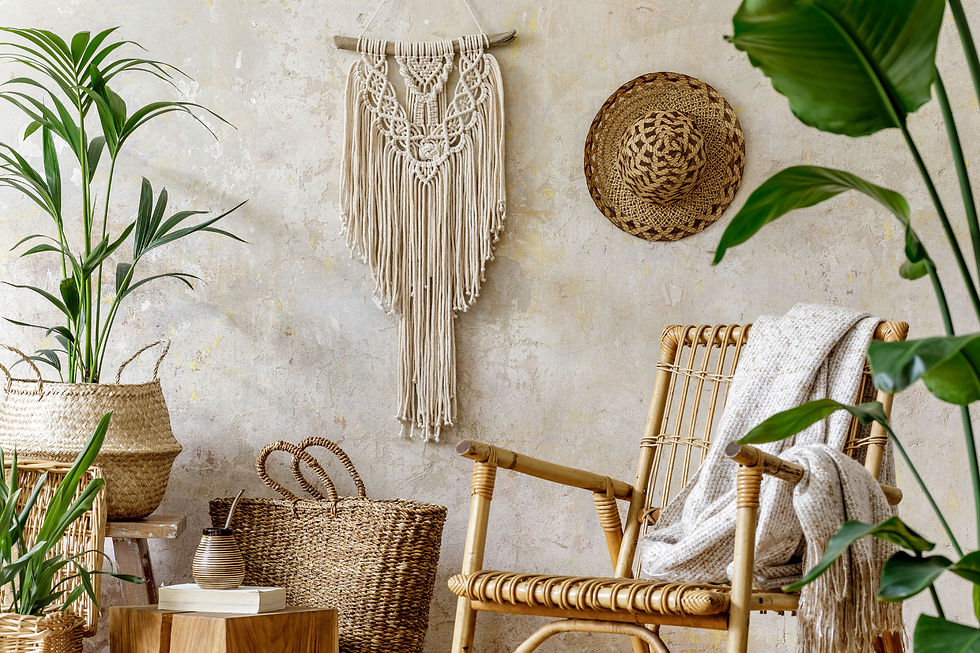
Boho style—short for bohemian—is a decorating approach that prioritizes comfort, creativity, and individuality over strict rules or perfection. It’s the kind of style that immediately feels relaxed and inviting, like a space where you can truly unwind. Instead of aiming for a polished, showroom look, boho interiors are meant to feel lived-in and personal, filled with items that reflect your experiences, tastes, and personality. Nothing has to match exactly, and that’s part of the charm. A boho space often looks like it has come together naturally over time, with each piece adding to the overall story rather than following a rigid plan.
This relaxed approach makes boho style especially appealing if you want your home to feel warm and approachable rather than overly styled. You might notice soft layers on a sofa, a mix of textures underfoot, or small details that make the space feel collected rather than curated. It’s less about impressing others and more about creating an environment where you feel comfortable spending time every day.
Where Boho Style Comes From
Boho style has its roots in the unconventional lifestyles of artists, writers, and free thinkers who valued creativity and experience over traditional expectations. Historically, “bohemian” described people who lived outside societal norms, often embracing artistic expression, travel, and cultural exploration. Their homes reflected that lifestyle, filled with meaningful objects, collected treasures, and a blend of influences gathered from different places and moments in time.
As the style evolved, it began to incorporate design elements from around the world. You’ll often see hints of Moroccan textiles, Indian patterns, and global artisan craftsmanship woven into boho interiors. What makes it unique is how effortlessly these influences come together. Rather than feeling themed or overly coordinated, the space feels layered and authentic, like it has been shaped by real experiences rather than a single design trend. Today, boho style still carries that same spirit of freedom and individuality, making it less about following rules and more about expressing who you are.
Key Elements of Boho Style
1. Layers, Layers, Layers
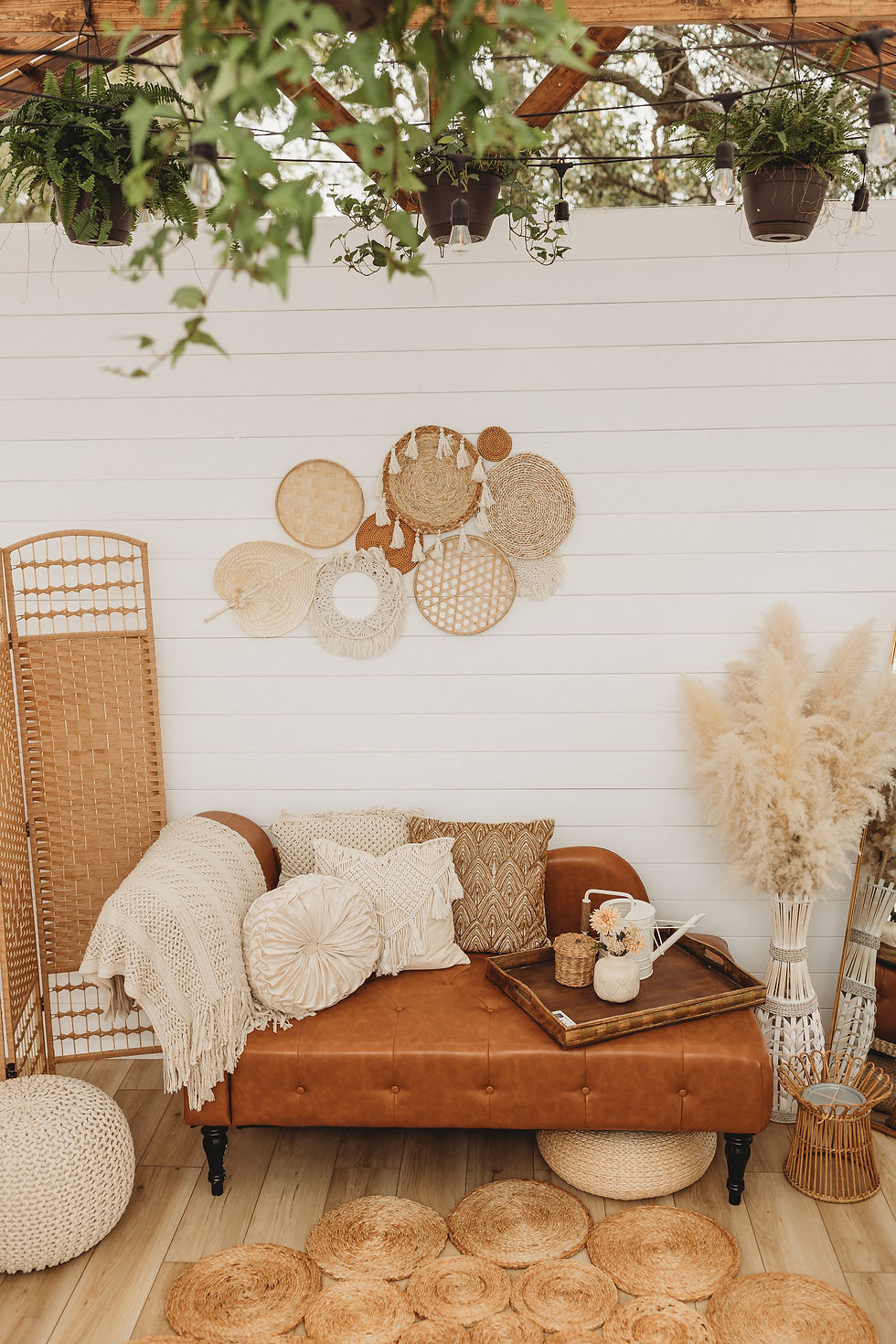
Layering is one of the defining features of boho style, and it plays a huge role in creating that cozy, welcoming atmosphere. Instead of keeping things minimal or sparse, boho design encourages you to build depth through textiles and decor. This could mean layering multiple rugs, mixing different throw blankets, or combining pillows in a variety of fabrics like linen, velvet, and cotton.
What makes this work is the sense of effortlessness. The layers shouldn’t feel overly arranged or precise—they should look natural, like they’ve been added gradually over time. This approach helps create a space that feels soft and inviting, where everything encourages you to sit down, relax, and stay awhile. It also allows for a lot of flexibility, since you can easily add or change layers as your style evolves.
2. Natural Materials

Natural materials are a key part of keeping boho spaces grounded and balanced. With so many textures and patterns in play, materials like wood, rattan, wicker, jute, linen, and cotton help create a sense of calm and cohesion. They bring an organic quality to the space that feels warm and approachable rather than overly styled.
These materials also connect the space to nature, which is an important part of the overall boho aesthetic. Even in a room with bold patterns or layered decor, natural elements help tone things down just enough so the space doesn’t feel overwhelming. They act as a neutral base, allowing you to mix and match more freely while still maintaining a sense of harmony.
3. Plants Everywhere

Plants are an essential part of boho interiors because they add life, movement, and a natural softness to the space. Whether you prefer a few small plants or a more abundant, almost jungle-like feel, greenery helps bring everything together. It breaks up heavier textures and adds a sense of freshness that keeps the room from feeling too dense.
Another reason plants work so well in boho spaces is that they enhance the relaxed, slightly unstructured look. They don’t need to be perfectly arranged or styled. A mix of plant sizes, shapes, and placements can actually make the space feel more authentic and lived-in. Over time, as plants grow and change, they add to the evolving nature of the room.
4. Mix of Patterns and Colors

Boho style is known for its willingness to mix patterns and colors in a way that feels bold yet comfortable. Instead of sticking to one design theme, it blends florals, geometric prints, and global-inspired patterns within the same space. This layering of visual elements adds depth and interest, making the room feel dynamic rather than flat.
Color palettes often lean toward warm, earthy tones like terracotta, rust, mustard, and cream, which help create a cozy foundation. From there, additional colors—such as deep blues, rich greens, or even brighter accents—can be layered in to reflect your personality. The key is balance. Even with a variety of patterns and colors, the space should still feel cohesive and easy on the eyes, not chaotic or overwhelming.
5. Personal and Vintage Pieces

Perhaps the most meaningful aspect of boho style is its focus on personal expression. Instead of relying on matching furniture sets or brand-new decor, boho spaces are filled with items that have character and significance. This might include vintage furniture, thrifted finds, handmade pieces, or souvenirs collected from travels.
These elements give the space a sense of history and individuality. Each piece contributes to the overall story of the home, making it feel unique rather than generic. Over time, as you continue to add items that resonate with you, the space becomes even more personal. This is what truly defines boho style—it’s not just how it looks, but how it reflects the life and experiences of the person living in it.
What Boho Style Is Not
While boho style embraces layering and variety, it isn’t about filling a space with as many items as possible. There’s still a sense of intention behind how everything comes together. Without that balance, a room can quickly start to feel cluttered instead of cozy. The goal is to create a space that feels full and inviting, not overwhelming.
It’s also a common misconception that boho style has to be bold or brightly colored. While some spaces do lean that way, others take a softer, more neutral approach. In those cases, texture becomes the main focus—woven materials, soft fabrics, and subtle layers create interest without relying heavily on color. This flexibility is part of what makes boho style so accessible. It can be adapted to suit different tastes while still maintaining its relaxed, layered feel.
How to Start Creating a Boho Space

If you’re just getting started with boho style, it can help to think of it as something you build gradually rather than all at once. You don’t need to replace your furniture or completely redesign your space overnight. In fact, the best boho interiors come together slowly, with each new addition adding to the overall feel.
A good starting point is to introduce a few simple elements, like a textured throw, patterned pillows, or a natural fiber rug. From there, you can begin incorporating plants and small decor pieces that add warmth and personality. As you become more comfortable, you might start mixing in vintage or handmade items—pieces that feel meaningful rather than purely decorative.
The key is to let your space evolve naturally. Pay attention to what you’re drawn to and build around that. Over time, the room will start to take on that layered, collected look that defines boho style, without ever feeling forced or overly planned.
Boho style isn’t about following a formula or getting everything “just right.” It’s about creating a home that feels comfortable, expressive, and uniquely yours. As you add layers, textures, and personal pieces, your space naturally becomes more reflective of your personality and experiences.
What makes this style so appealing is how forgiving it is. There’s room to experiment, to change things over time, and to let your home grow with you. Whether you lean toward bold patterns or softer, more neutral tones, the end result is the same—a space that feels warm, relaxed, and genuinely lived-in.
Learn More:

*As an Amazon affiliate I earn from qualifying purchases.


Comments