


The History of Boho Style and Where It Comes From


Boho style might feel like just a modern interior design trend you see on Pinterest or in home decor shops, but its roots actually go much deeper than that. It’s not something that appeared overnight or was invented as a curated aesthetic. Instead, it evolved over time from cultural movements, artistic lifestyles, and a desire to live a little more freely and creatively than mainstream norms typically allowed.
Today’s version of boho—soft textiles, layered decor, natural materials, and a relaxed, collected feel—is really a blend of many influences. To understand it, it helps to look at where it started and how it slowly transformed into the style we recognize now.
The Origins: Bohemian Lifestyle and Artistic Rebellion
The word “boho” comes from “bohemian,” which originally referred to unconventional artists, writers, and thinkers in 19th-century Europe. Many of these individuals lived in cities like Paris and chose lifestyles that didn’t really fit into the expectations of traditional society at the time. They weren’t focused on wealth or status in the usual sense—instead, they were more interested in creativity, expression, and freedom in how they lived day to day.
Their homes naturally reflected this mindset. Instead of carefully matched furniture sets or polished interiors, their spaces were often filled gradually with whatever they loved or needed at the time. Books piled up in corners, mismatched furniture filled small rooms, and art or objects collected from different parts of their lives ended up layered together in a very natural way.
What’s interesting is that this wasn’t intentional “design” in the way we think of it now. It was just life. But over time, that unstructured, expressive way of living became associated with a visual style—one that felt relaxed, creative, and unconcerned with rules. That spirit is still at the core of boho style today.
The Influence of Travel and Cultural Exchange

As bohemian lifestyles evolved, they began to intersect with travel and cultural exchange, which added even more richness to the style. Artists, writers, and travelers brought back textiles, furniture, and decorative objects from different parts of the world, and those items naturally became part of their homes.
You start to see this influence in the mix of patterns, textures, and handcrafted details that now feel so familiar in boho interiors. Things like woven rugs, embroidered fabrics, carved wood, and handmade ceramics weren’t chosen to follow a design trend—they were often meaningful items collected along the way or appreciated for their craftsmanship.
Over time, this created a style that didn’t belong to just one place or tradition. Instead, it became a blend of global influences, layered together in a way that felt personal rather than prescribed. That sense of “collected from life” is still one of the most recognizable parts of boho design today, even in its more modern, simplified forms.
The 1960s and 70s: Boho Goes Mainstream
Boho style really started to become more widely recognized during the 1960s and 1970s, when cultural movements began shifting toward freedom of expression, individuality, and breaking away from traditional expectations. This was a time when people were questioning a lot of established norms, and that naturally extended into fashion, art, and home design.
During this era, boho aesthetics became much more visible. Flowing fabrics, earthy tones, handmade decor, and globally inspired patterns started showing up more in everyday life. Homes became less formal and more relaxed, reflecting a desire to live in a way that felt more personal and less structured.
What’s important here is that boho wasn’t about following a strict design rulebook. It was about expressing a mindset. People mixed pieces freely, combined influences, and leaned into comfort and individuality. This era helped push boho from a niche artistic lifestyle into something that influenced mainstream culture in a much broader way.
Modern Boho: A Softer, More Curated Evolution

Today’s boho style looks quite different from its earlier versions, even though it still carries the same spirit. Modern boho tends to be softer, more intentional, and often a bit more simplified than the eclectic, heavily layered spaces of the past.
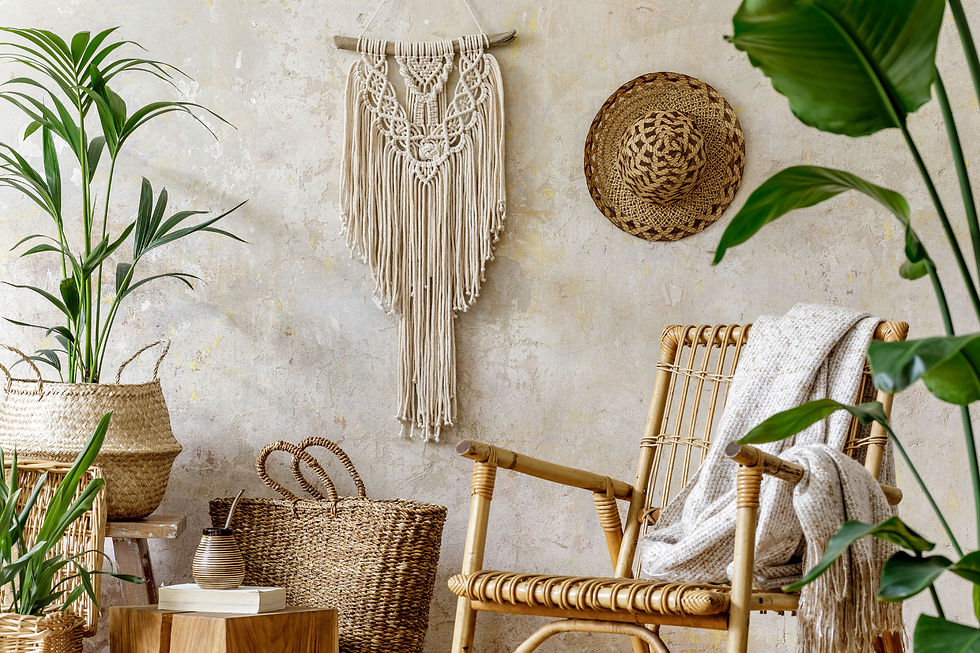
You’ll often see neutral base colors, natural materials like wood, rattan, and linen, and a focus on creating calm, cozy environments. There’s still layering, but it’s usually more controlled. Instead of feeling visually chaotic, modern boho spaces tend to feel curated but still relaxed.
A lot of this shift has been influenced by interior design trends and social media, where boho has been reinterpreted into a more “aesthetic” version. That doesn’t take away from its roots, though—it just shows how adaptable the style is. People can lean into bold color and pattern, or keep things minimal and soft, and it still fits under the boho umbrella.
The Core Philosophy Behind Boho Style
Even though boho style has changed a lot over time, the underlying idea behind it has stayed surprisingly consistent. At its heart, it’s always been about individuality, creativity, and freedom from rigid structure.
That’s why it doesn’t feel tied to one exact look or formula. Some versions are colorful and eclectic, while others are calm and minimal, but they all share that same sense of personal expression. It’s less about rules and more about how a space or lifestyle feels to the person living it.
This flexibility is also what makes boho so easy to adapt in modern homes. You don’t have to follow a strict set of guidelines. Instead, you’re encouraged to mix what you love, layer pieces that feel meaningful, and create a space that reflects your own story rather than a trend.
Why Boho Style Still Feels So Relevant Today

Boho style continues to stay popular because it fits so naturally with how many people want to live now. Life can feel busy, structured, and fast-paced, so there’s something really appealing about creating spaces that feel slower, softer, and more personal.
It also works because it’s not restrictive. You don’t need a specific type of home, budget, or design background to make it work. Boho can be built gradually, piece by piece, which makes it feel accessible and realistic rather than overwhelming.
Another reason it resonates is because it allows for imperfection. Instead of needing everything to match or stay pristine, boho style embraces a more relaxed approach. Spaces can evolve, shift, and grow over time, which makes them feel more alive and connected to real life.
Boho style has come a long way from its bohemian roots, but it hasn’t lost its essence. What started as a way of living outside the rules of traditional society has evolved into a design style that still values freedom, creativity, and personal expression.
And that’s really why it continues to endure. It doesn’t ask for perfection—it simply invites you to create a space and a life that feels like your own.
LEARN MORE:

*As an Amazon affiliate I earn from qualifying purchases.


Comments