


Helping Kids Learn From Mistakes
- Laura Wakefield

- Jun 7
- 5 min read
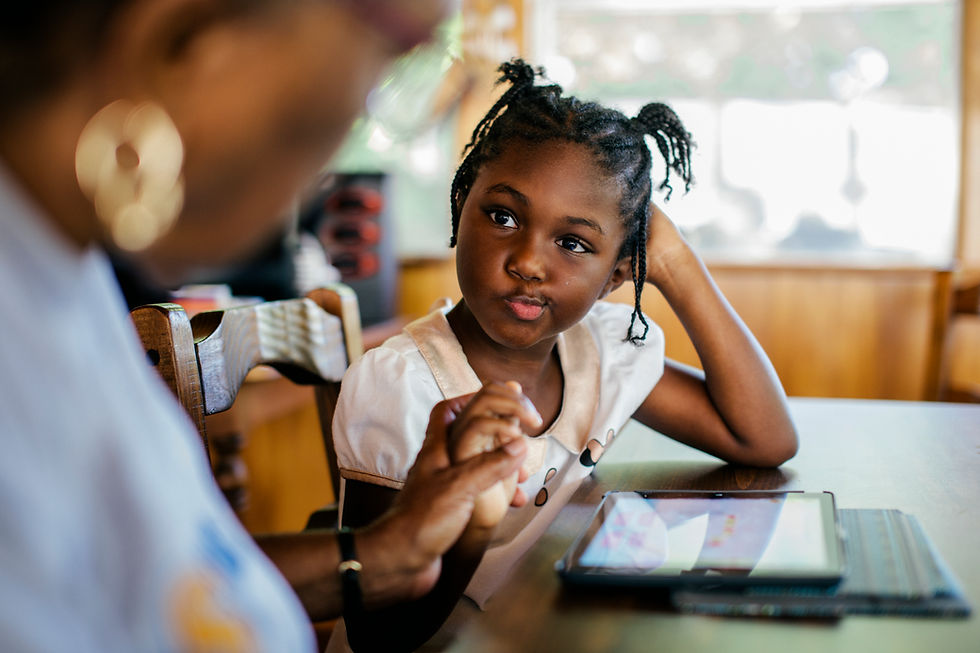
Mistakes are something every child makes—over and over again, in all kinds of ways. Spilled drinks, forgotten homework, harsh words said in frustration, or choices that don’t turn out the way they expected. As adults, it’s easy to want to step in quickly and fix things or prevent mistakes altogether. But in reality, mistakes are one of the most important parts of a child’s growth.
The goal isn’t to eliminate mistakes. It’s to help children understand them, recover from them, and slowly learn how to do things differently next time. When kids learn that mistakes are not something to fear, but something to learn from, it changes how they approach challenges for the rest of their lives.
Creating a Safe Space for Mistakes
One of the most important things children need in order to learn from mistakes is safety—not just physical safety, but emotional safety. If a child feels like every mistake will lead to shame, anger, or harsh punishment, they’re more likely to hide what happened than understand it.
When children feel safe, they’re more willing to be honest. They can say, “I messed up,” without immediately shutting down or becoming defensive. That honesty is the first step toward learning.
This doesn’t mean there are no consequences. It simply means the response focuses on understanding rather than blame. A calm, steady reaction helps children separate their actions from their identity—they are not “bad” for making a mistake; they are someone who made a choice that didn’t work out.
That distinction matters more than it might seem.
Responding Instead of Reacting

In the moment a mistake happens, emotions can run high for both children and adults. A broken object, a disagreement, or a missed responsibility can trigger frustration quickly. But how adults respond in those moments often shapes how children learn to handle their own mistakes later.
Reacting tends to be immediate and emotional. Responding takes a small pause. It creates space to think before speaking or acting.
A calm response might sound like, “Let’s figure out what happened,” instead of, “Why would you do that?” That shift changes the tone completely. One invites problem-solving, the other invites defensiveness.
Over time, children begin to internalize that mistakes are situations to work through, not crises to fear.
Teaching That Mistakes Are Normal
Children often believe that making mistakes means they’ve done something wrong about who they are, not just what they did. Part of helping them grow is normalizing mistakes as a natural part of learning.
This can be as simple as sharing your own experiences. Talking about times you forgot something, made a bad decision, or had to try again helps children see that mistakes don’t stop adulthood—they’re part of it.
When kids realize that even adults are still learning, it takes the pressure off. It becomes easier for them to try, fail, and try again without feeling like they’ve fallen short.
Focusing on What Can Be Learned
After a mistake happens and emotions have settled, the next step is reflection. This is where real learning begins.
Instead of focusing only on what went wrong, it helps to gently shift the conversation toward what can be learned from the situation. Questions like “What do you think happened?” or “What could we try next time?” encourage thinking instead of shame.
The goal is not to overanalyze every mistake, but to help children recognize patterns and make small adjustments over time. Even simple lessons—like remembering to double-check homework or thinking before reacting—build long-term skills.
Learning becomes less about punishment and more about growth.
Allowing Natural Consequences

As difficult as it can be, sometimes the most powerful lessons come from natural consequences. These are the outcomes that happen without added punishment from adults.
For example, forgetting homework might result in a lower grade. Leaving a toy outside might mean it gets damaged. These experiences can be frustrating, but they also help children connect actions with outcomes in a real way.
Stepping in too quickly to fix everything can unintentionally prevent that learning. When children are allowed to experience the results of their actions in a safe environment, they begin to understand responsibility more deeply.
Of course, this doesn’t apply to situations involving safety or serious harm—but in everyday life, small consequences can be very effective teachers.
Avoiding Shame-Based Lessons
There’s a big difference between accountability and shame. Accountability says, “This didn’t go well, and here’s how we can improve.” Shame says, “You are the problem.”
Shame can cause children to withdraw or become afraid of trying new things. It often leads to hiding mistakes instead of learning from them. Over time, this can affect confidence and willingness to take healthy risks.
When children feel supported even after they mess up, they’re more likely to stay open and engaged. They learn that their value isn’t tied to being perfect—it’s tied to their willingness to grow.
Encouraging Problem-Solving
Mistakes become powerful learning moments when children are invited to think through solutions. Instead of immediately correcting everything for them, it can help to ask guiding questions.
“What do you think we could do differently next time?”“What might help prevent this in the future?”“What did you learn from this?”
These questions don’t require perfect answers. They simply encourage children to think actively about their choices.
Over time, this builds independence. Instead of relying on adults to fix every issue, children begin to develop their own problem-solving skills.
Celebrating Effort and Growth
It’s easy to focus on outcomes—whether something was done correctly or not. But just as important is recognizing effort.
When children try again after a mistake, take responsibility, or show improvement, those moments deserve attention. Saying things like “I noticed you really tried to do that differently this time” reinforces the idea that growth matters.
This helps shift focus away from perfection and toward progress. And when children understand that effort is valued, they’re more willing to keep trying, even when things are difficult.
The Long-Term Impact of How We Respond
The way children learn to handle mistakes doesn’t just affect childhood—it shapes how they approach life as adults. People who are taught to fear mistakes often avoid challenges. Those who are taught to learn from mistakes tend to be more adaptable, confident, and resilient.
Every response from an adult becomes part of that learning process. Over time, those small interactions build a foundation for how a child understands failure, growth, and self-worth.

Helping kids learn from mistakes isn’t about protecting them from failure—it’s about helping them understand it. It’s about creating an environment where mistakes are seen as part of learning, not something to fear or hide.
When children feel safe, supported, and guided, they don’t just recover from mistakes—they grow because of them. And that growth becomes something they carry with them far beyond childhood, shaping how they approach life’s challenges with confidence and curiosity.
LEARN MORE:

*As an Amazon affiliate I earn from qualifying purchases.


Comments