


Review: Girl, Wash Your Face by Rachel Hollis

Updated: Jun 23
*As an Amazon affiliate I earn from qualifying purchases.
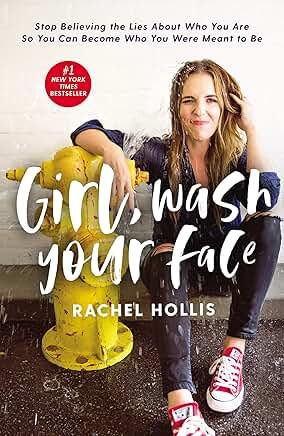
Girl, Wash Your Face is a motivational self-help memoir that blends personal storytelling with encouragement aimed at helping readers challenge self-doubt and negative thinking. Written by Rachel Hollis, the book became a major bestseller in the late 2010s, widely discussed for its upbeat tone, relatable anecdotes, and strong emphasis on personal responsibility and self-improvement.
The structure of the book is built around “lies” the author says she once believed about herself—such as feeling behind in life, thinking happiness depends on external circumstances, or believing she is defined by appearance or past mistakes. Each chapter focuses on one of these ideas, followed by personal stories and reflections on how she worked through them. This format makes the book easy to follow and gives it a conversational, almost coaching-like feel.
its strengths is in its tone. Hollis writes in a casual, direct voice that often feels like advice from a friend rather than a formal self-help expert. The book mixes humor, vulnerability, and motivation, and many readers respond to its encouragement to take ownership of their choices and stop waiting for external circumstances to change. The central message is clear: individuals have the power to reshape their lives by changing how they think and act.
The memoir elements also add emotional weight. Hollis shares parts of her personal life, including struggles with self-esteem, relationships, motherhood, and grief, which help ground the motivational advice in lived experience. These stories are often what make the book engaging for readers who enjoy personal narratives alongside self-help guidance.
However, the book has also been widely debated. Some readers find its message overly simplified, arguing that it leans heavily on the idea that mindset alone can solve complex life challenges. Critics also note that the advice can feel repetitive or generalized, and may not fully account for structural or external factors that shape people’s lives. These limitations can make the book feel less nuanced compared to more research-based self-help writing.
Still, Girl, Wash Your Face remains popular because it is accessible, emotionally direct, and highly motivational for readers who connect with its tone. It does not aim to be a deep psychological analysis, but rather a personal encouragement to stop self-sabotaging thoughts and take action toward change.
Overall, it is a fast-paced, conversational read that resonates most with readers looking for encouragement, relatability, and a reminder that personal agency plays a powerful role in shaping one’s direction in life.


Comments