


Review: Anna Karenina by, Leo Tolstoy

*As an Amazon Associate I earn from qualifying purchases.
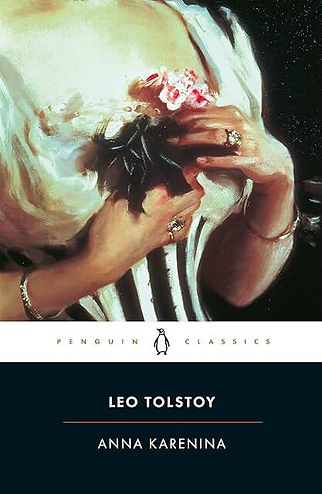
Anna Karenina by Leo Tolstoy is one of those sweeping, deeply human novels that stays with you long after you turn the final page. First published in the late 19th century, it’s often described as one of the greatest works of literature ever written—and while that might sound intimidating, at its heart, it’s a story about love, choices, and the quiet complexities of everyday life.
The novel follows several interconnected characters, but its emotional center is Anna herself—a woman caught between societal expectations and her own desire for love and freedom. Her relationship with Count Vronsky sets off a chain of events that feels both dramatic and deeply personal. At the same time, Tolstoy weaves in the story of Levin, a character whose more grounded, introspective journey offers a thoughtful contrast to Anna’s passionate and often turbulent path.
What makes Anna Karenina so powerful is how real it feels. Tolstoy doesn’t present his characters as heroes or villains—just people, full of contradictions, making decisions that don’t always lead where they expect. Anna is both sympathetic and frustrating; you understand her longing, even as you see the consequences of her choices unfold. That emotional honesty is part of what makes the novel so compelling.
The writing itself is rich and detailed, but not in a way that feels overwhelming. Instead, it draws you into the rhythms of life in imperial Russia—family dynamics, social gatherings, rural landscapes, and inner thoughts all blend together seamlessly. Tolstoy has a remarkable ability to take something as small as a passing feeling or a moment of doubt and expand it into something meaningful and universal.
One of the most interesting aspects of the book is its exploration of society and judgment. Anna’s story, in particular, highlights how unforgiving social norms can be, especially for women. While her male counterpart faces far fewer consequences, Anna is gradually isolated, and that isolation becomes one of the most heartbreaking elements of the novel. It’s a reminder of how powerful—and sometimes damaging—societal expectations can be.
At the same time, Levin’s storyline offers a quieter, more reflective perspective. His search for purpose, connection, and meaning adds depth to the novel, balancing out the intensity of Anna’s experience. Many readers find themselves unexpectedly drawn to his journey, which feels more internal but no less significant.
That said, Anna Karenina does require patience. It’s a long novel, and it takes its time unfolding. There are moments when the pace slows, particularly in the philosophical sections, but those moments often add to the richness of the story rather than detract from it.
In the end, what makes Anna Karenina so memorable is not just its plot, but its insight into human nature. It’s a novel that asks big questions—about love, happiness, morality, and belonging—without offering easy answers. Instead, it leaves you reflecting on your own values and choices.
Reading it feels less like consuming a story and more like stepping into a world that mirrors your own in unexpected ways. And even though it was written over a century ago, its emotional truths still feel strikingly relevant today.


Comments