


Hosting a Potluck That Feels Organized and Stylish

Updated: Sep 13

A potluck is one of the easiest ways to bring people together because it allows everyone to contribute something to the gathering. Instead of one person carrying the entire responsibility of planning, cooking, and hosting, a potluck creates a shared experience where everyone plays a part.
However, without a little organization, potlucks can sometimes become overwhelming. You may end up with too many desserts, not enough main dishes, duplicate recipes, or a crowded kitchen where no one knows where to place their food.
The good news is that a potluck can be both relaxed and beautifully organized. With thoughtful planning, simple guidelines, and a few stylish touches, you can create a gathering that feels effortless, welcoming, and memorable.
A successful potluck is not about having every detail perfectly coordinated. It is about creating an atmosphere where guests feel comfortable contributing, sharing, and enjoying time together.
Choose a Clear Potluck Style
Before inviting guests, decide what type of potluck you want to create. Having a general theme or structure helps guide everyone’s contributions and creates a more cohesive gathering.
Some ideas include:
Classic Dinner Potluck Guests bring a variety of dishes that come together for a complete meal.
Seasonal Potluck The menu focuses on ingredients and flavors from a specific season.
Comfort Food Potluck Everyone contributes a favorite nostalgic dish, creating a cozy and familiar menu.
Around-the-World Potluck Guests bring dishes inspired by different cultures and cuisines.
Brunch Potluck A morning or afternoon gathering featuring breakfast favorites, pastries, and drinks.
Appetizer Potluck A casual gathering where everyone brings small bites and finger foods.
A theme does not need to be strict. It simply provides direction and helps guests know what will fit well with the meal.
Create a Simple Sign-Up System

One of the easiest ways to keep a potluck organized is by creating a list of what people are bringing.
Instead of saying, “Bring whatever you’d like,” provide a little more guidance.
You can organize categories such as:
Main dishes
Side dishes
Salads
Bread or rolls
Desserts
Drinks
Appetizers
A shared online document, group message, or simple list can help everyone see what is already covered.
This prevents situations where five people bring cookies but no one brings a vegetable dish.
The goal is not to control what guests bring. It is simply to create balance.
Give Guests Helpful Suggestions
Some guests may love cooking, while others may feel unsure about what to contribute. Offering ideas makes participation easier.
Suggestions might include:
Main dishes:
Pasta dishes
Casseroles
Grilled meats
Vegetarian entrées
Sandwich platters
Side dishes:
Roasted vegetables
Grain salads
Potato dishes
Fresh salads
Seasonal sides
Desserts:
Cookies
Cakes
Pies
Brownies
Fruit desserts
Drinks:
Lemonade
Iced tea
Sparkling water
Specialty beverages
Giving options helps guests feel confident while still allowing them to choose something they enjoy making.
Consider the Size of Your Gathering
The number of guests can influence how you organize your potluck.
For smaller gatherings, you may only need a few categories. For larger events, a little more planning can prevent confusion.
For example:
A gathering of 8–10 people may work well with everyone bringing a dish.
A larger gathering of 20 or more guests may benefit from assigning categories or asking certain guests to bring specific items.
Think about your space as well. If your kitchen or dining area is smaller, a buffet-style setup may work better than trying to serve everything at the table.
Create a Beautiful Food Display

One of the easiest ways to make a potluck feel stylish is through presentation. You do not need expensive serving pieces or elaborate decorations. Thoughtful arrangement can make even simple dishes look inviting.
Consider:
Using serving platters instead of leaving food in containers
Adding labels to dishes
Grouping similar foods together
Using cake stands or trays for height
Adding fresh herbs or greenery as accents
Presentation helps transform a collection of individual dishes into a cohesive meal.
Set Up a Functional Buffet Area
A well-planned buffet makes the gathering flow smoothly and prevents guests from crowding the kitchen.
Arrange the food in a logical order:
Plates and utensils
Main dishes
Side dishes
Salads
Desserts
Drinks
Place napkins, serving utensils, and condiments where guests can easily access them.
If possible, create separate areas for:
Food
Drinks
Desserts
Dirty dishes
This keeps traffic moving and makes the space feel more organized.
Use Simple Decor to Create a Stylish Atmosphere
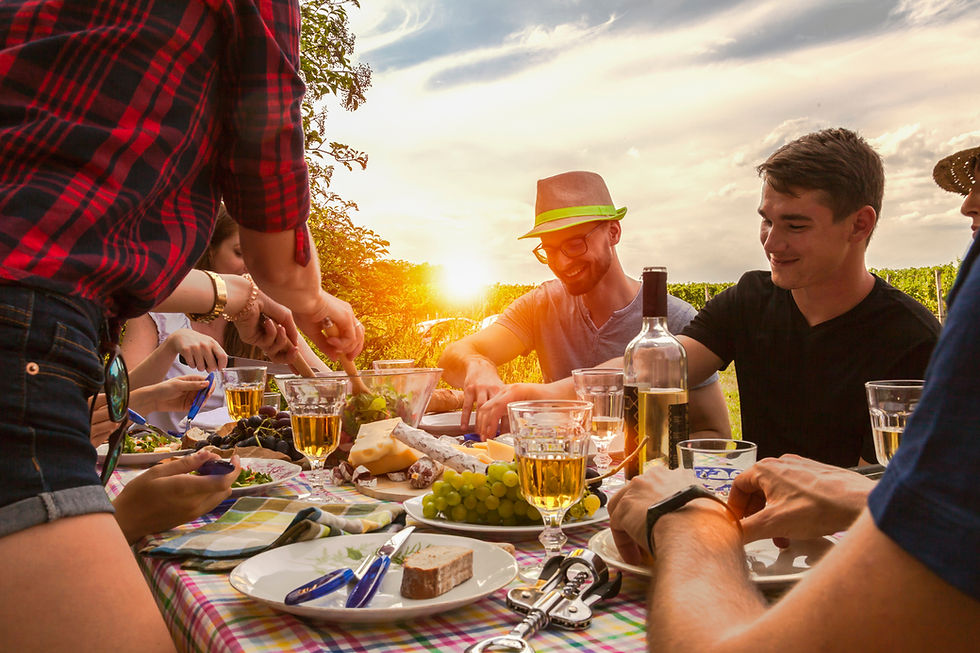
A potluck does not require a lot of decorations. A few thoughtful touches can create a welcoming setting.
Ideas include:
Fresh flowers
Seasonal greenery
Cloth napkins
Candles
A simple table runner
Coordinated serving pieces
Choose decorations that complement the gathering rather than compete with the food.
A beautiful table is not about having everything match perfectly. It is about creating a warm and inviting place where people want to gather.
Create a Comfortable Seating Arrangement
The best potlucks encourage conversation, so think about how people will gather.
You do not necessarily need formal seating for everyone. Depending on your space, consider:
A dining table for shared meals
Additional chairs around the room
Comfortable conversation areas
Outdoor seating if weather allows
Make sure guests have places to sit, set down their plates, and comfortably enjoy the experience.
A relaxed seating arrangement often creates better conversations than a formal setup.
Remember the Small Details
Small conveniences can make a big difference during a potluck.
Consider having:
Extra plates and utensils
Serving spoons
Trivets for hot dishes
Labels for food
Extra napkins
Take-home containers for leftovers
If guests bring dishes in their own containers, have a place where they can collect them before leaving.
These small preparations make the evening smoother for both you and your guests.
Think About Dietary Needs

A thoughtful host considers that guests may have different preferences or dietary restrictions.
When possible, encourage guests to label dishes.
Labels can include:
Vegetarian
Gluten-free
Contains nuts
Dairy-free
Spicy
You do not need to create a completely separate menu. Simply making information available allows guests to make choices comfortably.
This small step shows consideration and helps everyone feel included.
Encourage Sharing and Conversation
A potluck is about more than food. It is about creating an opportunity for people to connect.
Encourage conversation by creating a welcoming atmosphere.
Ideas include:
Asking guests about the story behind their dish
Sharing recipes
Creating conversation starters
Playing background music
Planning a simple group activity
Food often becomes a natural way for people to share memories, traditions, and experiences.
A favorite recipe can lead to a meaningful conversation.
Make Guests Feel Appreciated
Because everyone contributes to a potluck, it is important to acknowledge their effort.
Simple gestures include:
Thanking guests as they arrive
Complimenting their dishes
Asking about recipes
Sending a thank-you message afterward
People enjoy contributing when they feel their effort is noticed.
A potluck becomes more special when everyone feels like they helped create the experience.
Keep Cleanup Manageable

A well-organized potluck should not leave the host overwhelmed after everyone leaves.
Before the event:
Clear extra clutter from surfaces
Empty the dishwasher if you have one
Set up trash and recycling areas
Have containers ready for leftovers
During the gathering, encourage guests to help with simple tasks if they are comfortable.
Many people are happy to assist because it makes the event feel collaborative rather than like they are leaving all the work to the host.
Common Potluck Mistakes to Avoid
Being Too Vague About Contributions
A completely open-ended potluck can lead to an unbalanced menu. Simple categories help guests know what is needed.
Trying to Control Every Detail
A potluck should feel shared. Avoid creating so many rules that guests feel pressured.
Forgetting About Serving Needs
A delicious dish is not always enough. Make sure you have enough serving utensils, plates, and space.
Spending Too Much Time Preparing
The purpose of hosting is to enjoy time with people. Do not spend the entire gathering working behind the scenes.
Make Your Potluck Your Own
The best potlucks reflect the personality of the host and the people attending.
Your gathering might include:
Family recipes
Seasonal foods
A favorite cuisine
A casual backyard setting
A holiday theme
A neighborhood tradition

There is no single right way to host a potluck.
The most successful gatherings are the ones where people feel comfortable sharing food, stories, and time together.
Hosting a potluck that feels organized and stylish is all about finding the balance between planning and flexibility. A simple sign-up system, thoughtful presentation, and a welcoming atmosphere can transform a casual meal into a memorable gathering.
You do not need a perfect menu, expensive decorations, or a professionally styled table. What matters most is creating a space where people feel comfortable contributing and enjoying each other’s company.
When everyone brings a little something to the table — both literally and figuratively — a potluck becomes more than a meal. It becomes a celebration of connection, community, and shared experiences.
LEARN MORE:

*As an Amazon affiliate I earn from qualifying purchases.


Comments