


Zone Cleaning Method: A Simple System That Works


Keeping your home clean can sometimes feel like a never-ending task. There always seems to be another room to organize, another surface to wipe down, or another pile that needs attention. Many people approach cleaning by trying to tackle the entire house at once, only to feel overwhelmed before they even begin. The zone cleaning method offers a different approach: instead of looking at your home as one giant project, you divide it into smaller areas and focus on one zone at a time.
The idea behind zone cleaning is simple. By breaking your home into manageable sections, you can create a routine that feels more realistic and sustainable. Rather than spending an entire weekend deep cleaning every room, you dedicate shorter periods of time to specific spaces, making it easier to stay on top of everyday messes while also making progress on larger cleaning projects.
This method works well for busy households, families, people who work from home, or anyone who wants a cleaner space without feeling like cleaning takes over their life.
What Is the Zone Cleaning Method?
The zone cleaning method is a way of organizing your cleaning routine by dividing your home into different sections, or “zones.” Each zone receives focused attention during a certain period of time, usually on a weekly or monthly rotation.
Instead of cleaning randomly whenever something becomes noticeable, you create a plan that ensures every area of your home gets regular care. Some zones may need daily attention, such as the kitchen or bathroom, while others may only require occasional deep cleaning, such as a guest room, garage, or storage area.
For example, you might divide your home into zones like:
Zone 1: Entryway and living areas
Zone 2: Kitchen and dining area
Zone 3: Bathrooms and laundry area
Zone 4: Bedrooms
Zone 5: Office, garage, basement, or storage spaces
The exact zones will depend on your home, lifestyle, and cleaning needs. Someone living in a small apartment may only need three zones, while a larger home may benefit from six or more.
The goal is not to create a strict schedule that feels stressful. The goal is to give your cleaning routine structure so that your home receives consistent care over time.
Why Zone Cleaning Works

One of the biggest reasons people struggle with cleaning is that they try to do too much at once. A whole-house cleaning session can feel exhausting, and when life gets busy, it is often the first task to be postponed.
Zone cleaning removes that pressure by making the process smaller and more achievable. Instead of thinking, “I need to clean the entire house,” you can think, “Today I am going to spend 20 minutes organizing the kitchen cabinets.”
This approach works because it focuses on consistency rather than perfection. Small efforts repeated regularly often create better results than occasional marathon cleaning sessions.
Zone cleaning also helps prevent areas from being forgotten. Many homes have spaces that receive daily attention while other areas slowly collect clutter and dust. A zone system ensures that every part of your home gets the attention it needs.
How to Create Your Own Cleaning Zones
Creating your cleaning zones starts with looking at your home and thinking about how you use each space. There is no universal system that works for everyone, so your zones should reflect your lifestyle.
Start by walking through your home and making a list of the main areas that need cleaning. Consider how often each space needs attention and how much time it usually takes.
For example:
High-use areas:
Kitchen
Bathrooms
Living room
Entryway
Lower-use areas:
Guest room
Basement
Garage
Attic
Storage closets
Once you have your list, group similar spaces together. You want each zone to feel manageable rather than overwhelming. If one zone contains too many rooms, divide it into smaller sections.
A good zone should be something you can make noticeable progress on in a reasonable amount of time.
Set a Realistic Cleaning Schedule

The key to making zone cleaning successful is creating a schedule you can actually maintain. A complicated cleaning plan often becomes difficult to follow, so simplicity is important.
One popular approach is to focus on one zone each week:
Week 1: Kitchen
Week 2: Bathrooms
Week 3: Bedrooms
Week 4: Living areas
Week 5: Storage or outdoor spaces
You can repeat the cycle throughout the year.
Another option is to assign specific days:
Monday: Kitchen zone
Tuesday: Bathrooms
Wednesday: Bedrooms
Thursday: Living areas
Friday: Decluttering or organizing projects
You do not need to spend hours cleaning every day. Even 15 to 30 minutes of focused work can make a significant difference when done consistently.
Combine Daily Cleaning With Zone Cleaning
Zone cleaning works best when combined with simple daily habits. While zones handle deeper cleaning and organization, daily routines help prevent messes from building up.
Some helpful daily habits include:
Making the bed each morning
Wiping kitchen counters after meals
Doing a quick evening pickup
Washing dishes or loading the dishwasher
Putting items back where they belong
Taking out trash when needed
These small tasks keep your home manageable so that your zone cleaning sessions can focus on deeper projects rather than catching up on everyday clutter.
For example, when you reach your kitchen zone, you can spend your time cleaning the refrigerator, organizing cabinets, wiping appliances, and checking pantry items instead of spending the entire session washing dishes or clearing countertops.
Use Zone Cleaning for Decluttering Too

Cleaning and organizing often go hand in hand. A room can be spotless but still feel chaotic if it contains too much clutter.
Zone cleaning provides a natural opportunity to declutter because you are already focusing on one area at a time. Instead of trying to organize your entire home in one exhausting weekend, you can slowly work through your belongings.
During your kitchen week, you might:
Remove expired food from the pantry
Organize a junk drawer
Donate unused kitchen gadgets
Rearrange cabinets for easier access
During your bedroom week, you might:
Sort through clothing
Organize closets
Clear bedside tables
Remove items that do not belong
Small decluttering projects add up over time and help your home stay easier to maintain.
Create a Zone Cleaning Checklist
A checklist can make zone cleaning easier because you do not have to spend time deciding what needs to be done each time you clean.
For example, a kitchen zone checklist might include:
Wipe cabinets
Clean appliances
Scrub sink and faucet
Organize pantry items
Clean refrigerator shelves
Mop floors
Dust light fixtures
A bedroom checklist might include:
Change bedding
Dust furniture
Clean under the bed
Organize drawers
Wipe mirrors
Vacuum floors
Your checklist does not need to include every possible cleaning task. Focus on the tasks that make the biggest difference in how your home looks and feels.
Adjust the System to Fit Your Life
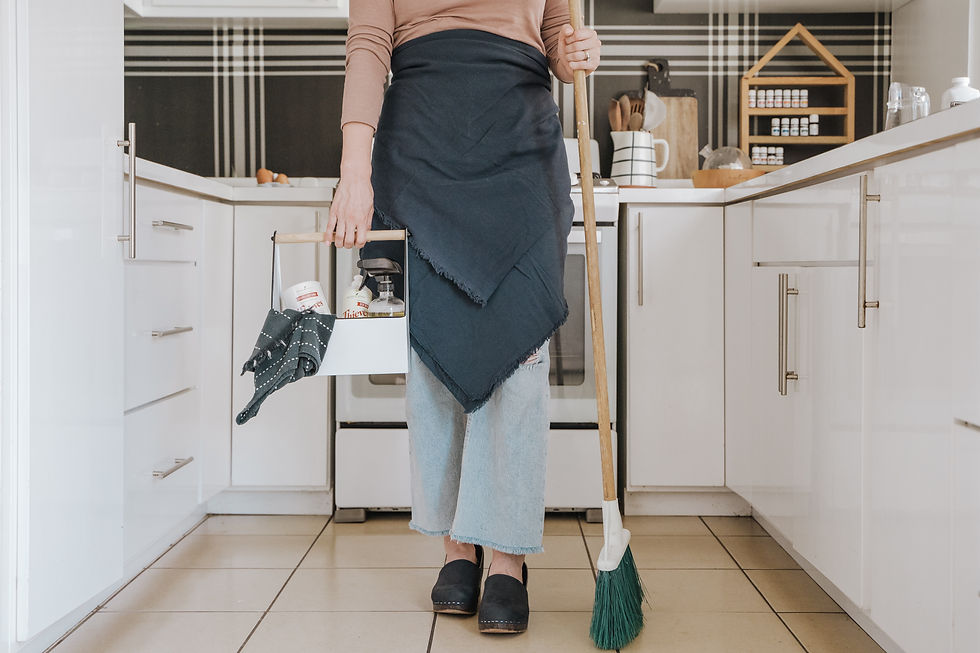
The best cleaning system is one that works with your schedule, not one that adds more stress. If you have a busy week, shorten your cleaning sessions. If you have extra time, tackle a larger project.
You can also adjust your zones as your needs change. A nursery, home office, or hobby room may require more attention during certain seasons of life, while other spaces may become less important.
Some people prefer a detailed schedule, while others simply choose one zone whenever they have extra time. There is no wrong way to use the method as long as it helps you maintain your home more easily.
Benefits of the Zone Cleaning Method
The zone cleaning method offers several advantages:
Less overwhelm: Breaking cleaning into smaller tasks makes it feel more manageable.
A consistently cleaner home: Regular attention prevents dirt, clutter, and messes from piling up.
More free time: Short cleaning sessions can replace exhausting weekend cleaning marathons.
Better organization: Regularly visiting each area helps you notice what needs to be decluttered or improved.
A sense of accomplishment: Completing one zone gives you visible progress and motivation to continue.
A clean home does not have to require constant effort. A thoughtful system can make maintaining your space much easier.
The zone cleaning method works because it turns cleaning from an overwhelming chore into a simple routine. By dividing your home into smaller areas and giving each zone regular attention, you can create a cleaner, more organized space without spending all your free time maintaining it.
The most important part of this method is flexibility. Your home does not need to be perfect, and your schedule does not need to look like anyone else’s. The goal is to create a cleaning rhythm that fits your life and helps your home feel comfortable, welcoming, and easier to enjoy.
With a little planning and consistency, zone cleaning can transform the way you approach household chores and make keeping your home clean feel far more achievable.
LEARN MORE:

Zone Cleaning The Ultimate Guide: Your secret to maintaining a clean and tidy home without the overwhelm.
*As an Amazon affiliate I earn from qualifying purchases.


Comments