


The Philosophy Behind Minimalist Living


Minimalist living is often introduced as a visual style—clean counters, neutral colors, and homes that look almost too quiet. But that’s only the surface. The philosophy underneath is much more human than aesthetic. Minimalism is really about how you relate to your time, your space, your energy, and the constant pull of “more” that modern life tends to create.
At its core, it’s less about removing things and more about making room. Room to think clearly. Room to breathe. Room to notice what actually matters to you when everything unnecessary is no longer competing for attention.
And that’s where it starts to feel less like a design choice and more like a way of living.
Living With Intention Instead of Default Habits
Most people don’t consciously choose every item in their home or every commitment on their calendar. Things just accumulate—an impulse purchase here, a “sure, I can help” there, a subscription you forgot to cancel, a closet full of clothes you might wear someday.
Minimalist living gently interrupts that autopilot mode.
Instead of asking, “Do I want this?” in a vague way, the question becomes a bit more grounded: Does this actually support the life I’m trying to live right now? That shift sounds small, but it changes everything. Suddenly, it’s not about whether something is nice or useful in theory—it’s about whether it has a real place in your actual day-to-day life.
This applies to more than just objects. It shows up in how you spend your evenings, how often you say yes to things you don’t really want to do, and even how much mental space you give to obligations that don’t align with your priorities.
Over time, living intentionally doesn’t feel restrictive. It starts to feel like you’re finally steering your own life instead of just reacting to it.
Why “Less” Often Feels Like Relief, Not Loss

At first glance, minimalism can sound like deprivation. Less stuff. Fewer choices. A simpler lifestyle. But in practice, most people don’t describe it as losing something—they describe it as a kind of relief they didn’t realize they were missing.
Think about the quiet fatigue that comes from managing too much. Too many clothes to sort through. Too many things that need fixing, organizing, or remembering. Too many small decisions that drain your attention before the day even really begins.
When some of that excess disappears, something surprising happens: life doesn’t feel emptier. It feels lighter.
There’s also a subtle emotional shift. When your environment isn’t constantly demanding upkeep, your mind isn’t either. You’re not always half-thinking about what needs to be cleaned, replaced, or dealt with. That frees up space for things that don’t feel like chores—rest, hobbies, conversations, or just sitting without needing to be productive.
Minimalism isn’t really about doing without. It’s about removing the quiet background noise that you’ve gotten used to ignoring.
How Minimalism Clears Mental Clutter Too
It’s easy to underestimate how much your surroundings affect your inner state. A cluttered space doesn’t just sit in the background—it competes for your attention, even if you don’t consciously register it.
When a room feels chaotic, your mind often follows suit. Not in a dramatic way, but in a low-level hum of distraction. You’re more likely to feel scattered, more likely to lose track of what you were doing, and more likely to feel slightly “behind” without knowing why.
Minimalist living works because it reduces that friction.
A clearer space tends to make daily life feel more straightforward. You’re not digging through piles or visually processing a dozen competing objects at once. Things have a place. Your attention has less to fight against. And slowly, that sense of order starts to translate inward.
It doesn’t mean life becomes calm all the time—life is still life—but it does mean there’s less unnecessary noise layered on top of everything else.
And sometimes, that’s the difference between feeling overwhelmed and feeling capable.
Redefining What “Enough” Actually Means
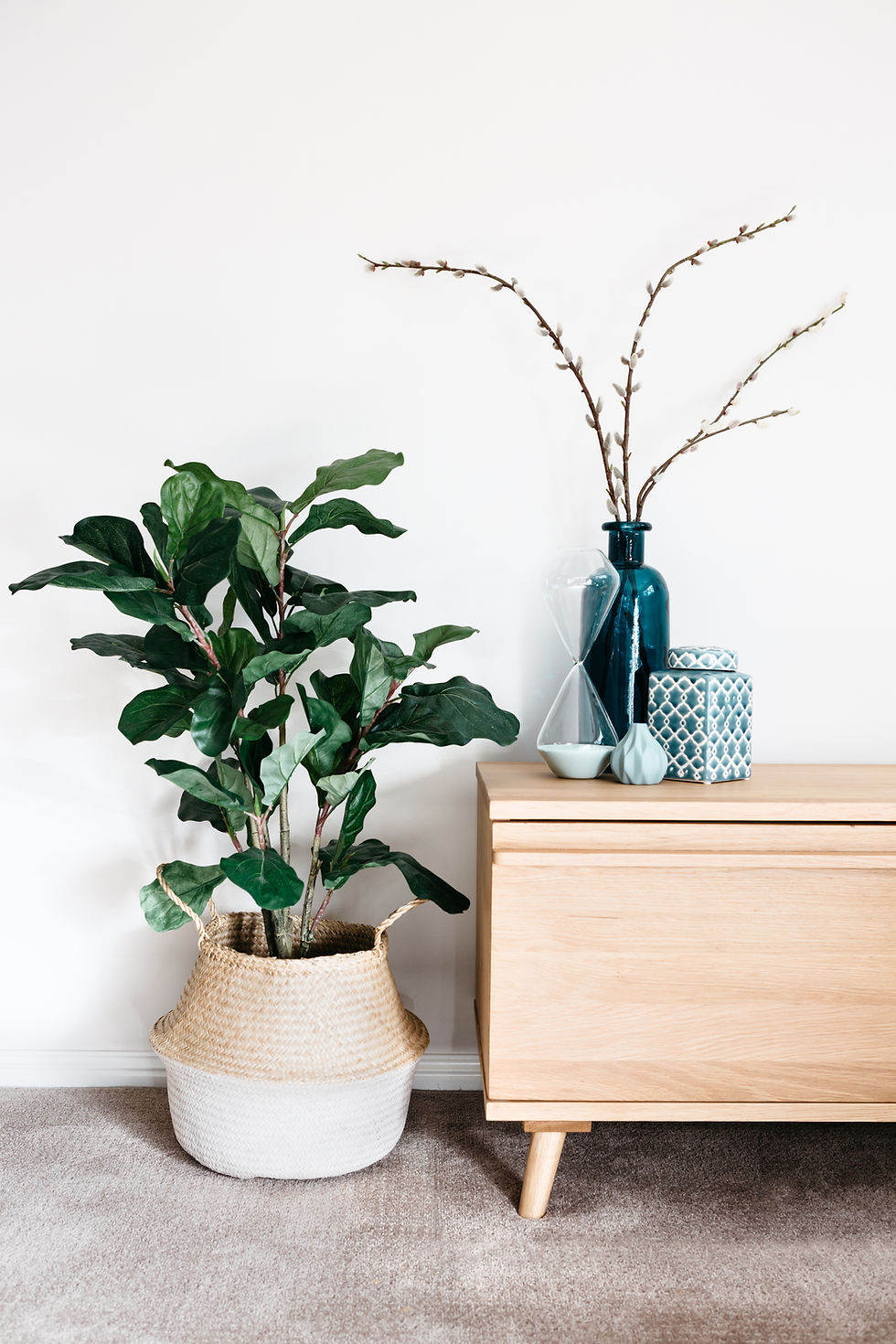
One of the more interesting shifts that comes with minimalist thinking is how it changes your idea of “enough.” Most of us are surrounded by messages that suggest enough is always just a little further away—one more purchase, one more upgrade, one more achievement.
Minimalism quietly pushes back on that.
Instead of chasing an endless idea of more, it asks a different kind of question: What does enough look like for me, right now?
That answer is deeply personal. For some people, enough means a simpler home with fewer distractions. For others, it might mean fewer financial pressures or more open time in their week. It’s not about matching a specific aesthetic or standard—it’s about noticing when something already feels complete, even if it doesn’t look “maximized.”
This is where minimalism becomes less about restriction and more about honesty. It asks you to notice when you already have what you need, even if the world keeps suggesting otherwise.
And that can be surprisingly grounding.
A More Thoughtful Relationship With What You Consume
Minimalism also naturally changes the way you approach buying and consuming things. Not in a rigid or perfectionist way, but in a more reflective one.
When you stop treating purchases as automatic or emotional fillers, you start to see patterns. Maybe you notice how often you buy things for a version of yourself you’re not actively living. Or how often “just in case” turns into long-term storage for things you never actually use.
Over time, choices become slower and more deliberate. Not because you’re forcing yourself to be strict, but because you start to recognize the cost of excess—not just financially, but mentally and physically.
You begin to value durability over novelty. Function over impulse. Meaning over accumulation.
And interestingly, this doesn’t usually feel like missing out. It often feels like you’ve stepped out of a cycle that was more exhausting than you realized.
Minimalism as an Ongoing Practice, Not a Finished State

One of the most important things to understand about minimalist living is that it’s not a finish line you cross and then maintain perfectly forever. Life doesn’t stay still, and neither do your needs.
What feels essential during one season of life might feel unnecessary in another. New responsibilities appear. Old habits return. Clutter creeps back in—not because you’ve failed, but because that’s what life naturally does over time.
Minimalism works best when it stays flexible.
It becomes a regular check-in rather than a one-time purge: Does this still belong here? Does this still serve me? Does this still feel aligned with how I want to live?
There’s something reassuring about that approach. It removes the pressure to get everything “right” permanently and replaces it with a quieter commitment to stay aware.
In the end, minimalist living isn’t really about having less for the sake of it. It’s about making space for a life that feels more intentional, less crowded, and a little more your own—one decision at a time.
LEARN MORE:

*As an Amazon affiliate I earn from qualifying purchases.


Comments