


Review: To the Lighthouse by Virginia Woolf

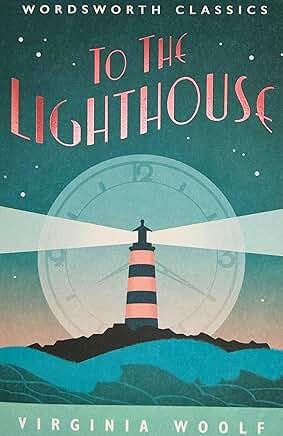
To the Lighthouse is a deeply reflective and emotionally rich exploration of memory, time, and the shifting nature of human perception. Written by Virginia Woolf and published in 1927, it moves away from traditional storytelling and instead builds its meaning through fragments of thought, sensation, and experience centered around the Ramsay family and their visits to a summer house on the Isle of Skye.
The book is structured in three parts, each with a distinct mood and focus. The first section introduces the Ramsay family and their guests, capturing a single day filled with conversations, private thoughts, and subtle emotional tensions. Much of the attention is given to Mrs. Ramsay, a figure of warmth and emotional intelligence whose presence shapes the lives of those around her. Her attempt to bring harmony to the household, while also managing her husband’s intellectual intensity, becomes one of the emotional anchors of the story.
The second section, “Time Passes,” shifts dramatically in tone. Years pass in a few pages, and the summer house itself becomes central as nature and time gradually erase signs of human life. This section is marked by absence and loss, as key events such as deaths and changes in the family are mentioned almost in passing. The effect is haunting, emphasizing how quickly life changes and how small individual moments become within the larger sweep of time.
The final section returns to the lighthouse trip that was planned in the opening pages, now undertaken years later. This journey is less about the physical destination and more about emotional resolution and reflection. The characters who make the trip carry with them the weight of past experiences, particularly the memory of Mrs. Ramsay, whose influence continues to shape their inner lives even after her absence.
One of the most distinctive aspects of the book is Woolf’s use of stream-of-consciousness narration. Rather than following a straightforward plot, the story moves fluidly between the thoughts and perceptions of different characters. This technique creates a sense of intimacy, allowing readers to experience moments as they are felt rather than simply observed.
Lily Briscoe, an artist working to complete a painting throughout the story, represents the struggle to create meaning and order out of shifting impressions. Her artistic process mirrors the book’s larger themes, as she attempts to capture something stable in a world defined by change and impermanence.
Themes of time, memory, loss, perception, and the search for meaning run throughout the work. The novel suggests that human experience is shaped less by external events and more by internal reflection, and that meaning often emerges from fleeting moments rather than clear resolutions.
Woolf’s writing is lyrical, precise, and deeply atmospheric. She pays close attention to the texture of thought and emotion, creating a reading experience that feels both personal and expansive. The absence of traditional plot structure allows space for reflection, making even quiet moments feel significant.
To the Lighthouse remains a landmark of modernist literature because of its innovative style and its profound meditation on time and human consciousness. It is both a portrait of a family and a broader reflection on how life is remembered, experienced, and ultimately transformed by time.


Comments