


Review: Pride and Prejudice by Jane Austen

*As an Amazon Affiliate I earn from qualifying purchases.
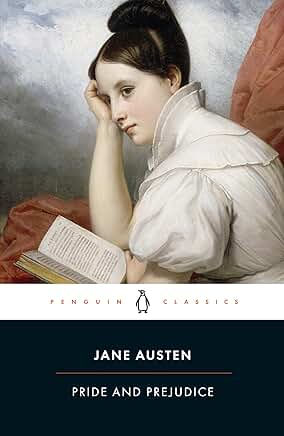
Pride and Prejudice by Jane Austen is one of those classic novels that feels both timeless and surprisingly relatable. While it’s often thought of as a simple romance, it’s really much more than that—a sharp, observant story about human behavior, social expectations, and the ways our own assumptions can shape (and sometimes distort) how we see others.
At the center of the novel is Elizabeth Bennet, a witty, independent, and perceptive young woman navigating the expectations placed on her in a society where marriage is often tied to security and status. When she meets the reserved and seemingly aloof Mr. Darcy, their first impressions of each other are anything but favorable. What unfolds from there is not just a love story, but a gradual unraveling of misunderstandings, pride, and personal growth.
One of the most enjoyable aspects of Pride and Prejudice is Austen’s writing style. It’s clever, ironic, and full of subtle humor. She has a remarkable ability to capture the nuances of social interactions—those small conversations, judgments, and unspoken rules that reveal so much about people. The dialogue, in particular, feels lively and engaging, with a rhythm that makes even quieter scenes feel dynamic.
Elizabeth is such a compelling character because she feels real. She’s intelligent and self-aware, but she’s not immune to misjudgment. Her initial opinions, especially of Darcy, are shaped by partial information and personal bias, and watching her come to recognize and reassess those judgments is one of the most satisfying parts of the novel. In many ways, her journey is just as much about self-reflection as it is about romance.
Darcy, too, evolves in meaningful ways. What first appears as arrogance gradually reveals itself to be a mix of reserve, social awkwardness, and deeply held values. As more of his character is revealed, the novel invites readers to reconsider their own first impressions—mirroring the very lesson Elizabeth learns.
Beyond the central relationship, the novel also offers a broader look at family dynamics and societal pressures. The Bennet family, with all its quirks and imperfections, adds both humor and tension to the story. Through them, Austen explores themes of reputation, class, and the limited choices available to women at the time, all without ever feeling overly heavy-handed.
That said, the pacing can feel slower to modern readers, and much of the action happens through conversation rather than dramatic events. But that’s also part of its charm. The story unfolds through subtle shifts in understanding rather than big, sweeping moments, which makes the emotional payoff feel all the more genuine.
Ultimately, Pride and Prejudice is a story about looking beyond first impressions—about learning to question your own assumptions and seeing people more clearly. It’s romantic, yes, but also thoughtful, funny, and quietly insightful.
It’s the kind of book that draws you in with its charm but stays with you because of its honesty about human nature. And even after all these years, its observations about relationships, pride, and perception still feel remarkably true.


Comments