


How to Turn Your Creative Skills Into Income

Updated: Sep 13

There comes a point for many creative people when a simple question starts to linger in the background: Could I actually make money doing this? What begins as a hobby—drawing, writing, photography, crafting, music—slowly becomes something more meaningful. You invest time in it, improve your skills, and find genuine joy in the process. Turning that creativity into income might feel overwhelming at first, but it’s more possible than you think.
You don’t need to be famous, formally trained, or “the best” to start earning from your creative work. What you do need is a willingness to share your work, learn a few practical skills, and take small, consistent steps forward. Over time, those steps can grow into something sustainable—and even life-changing.
Identify Your Strengths and Style
Before you can start earning from your creativity, it’s important to understand what you actually bring to the table. This goes beyond labeling yourself as an artist, writer, or photographer. It’s about recognizing the specific qualities that make your work stand out.
Start by paying attention to patterns in what you create. Are you drawn to certain colors, subjects, moods, or themes? Do you prefer clean, minimal styles or more detailed, expressive work? Your style often develops naturally over time, but becoming aware of it helps you refine and communicate it more clearly.
It’s also helpful to consider feedback you’ve received from others. What do people consistently notice or appreciate about your work? Sometimes others can see strengths that you overlook. At the same time, be honest about what you enjoy creating most. The work you’re naturally drawn to is usually where your best energy and ideas come from.
As you continue creating, your style will evolve—and that’s a good thing. You don’t need to have everything figured out before you begin earning. You just need enough clarity to start presenting your work with confidence.
Choose a Path to Monetization
Once you have a sense of your strengths, the next step is deciding how you want to turn them into income. There isn’t a single “right” way to do this, which is both exciting and a little overwhelming.
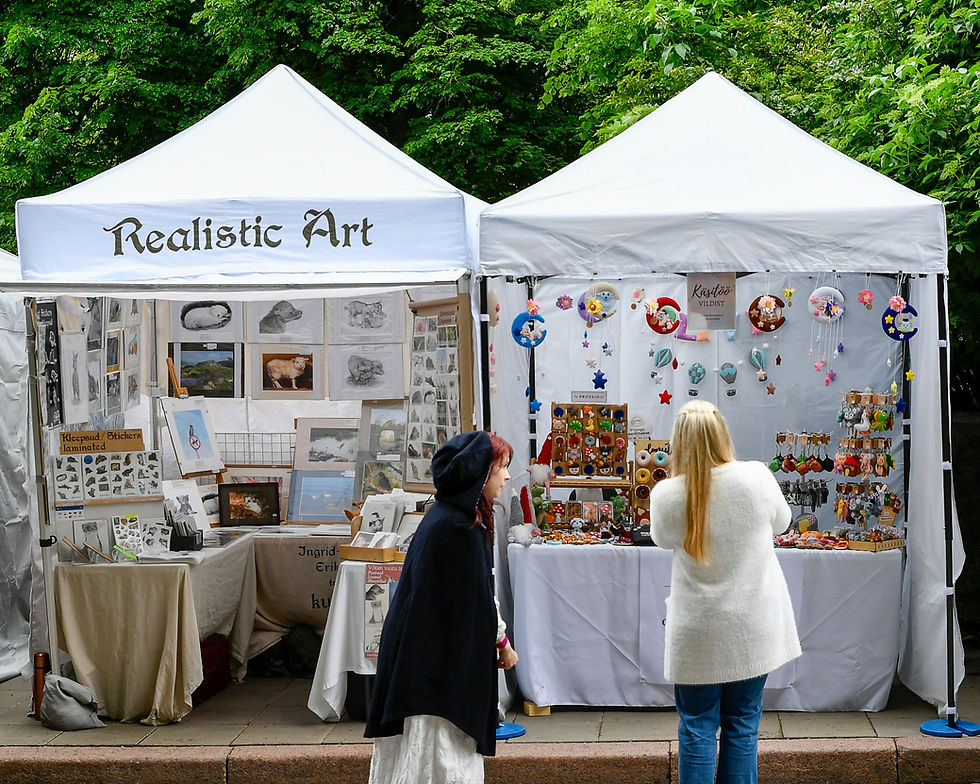
Some creatives prefer selling products. This might include physical items like prints, handmade goods, or original pieces, as well as digital products like downloads, templates, or presets. Others enjoy offering services, such as commissions, freelance work, or client-based projects. Teaching is another option—whether through workshops, online classes, or one-on-one sessions.
The key is to start simple. Instead of trying to build multiple income streams right away, focus on one path that feels the most natural and manageable. For example, if you enjoy working directly with people, services might be a great place to start. If you prefer working independently, digital products could be a better fit.
As you gain experience, you’ll learn what works, what doesn’t, and what you enjoy most. From there, you can expand in a way that feels intentional rather than overwhelming.
Build a Portfolio That Showcases Your Work
A portfolio is one of the most important tools you have when turning creativity into income. It acts as both a first impression and a way for potential clients or customers to understand what you offer.
Instead of including everything you’ve ever created, focus on selecting work that represents your current skill level and the direction you want to go. If you want to book portrait photography clients,
include your best portrait work. If you want to sell illustrations, highlight pieces that reflect that style.
Presentation matters more than many people realize. Clean layouts, good lighting in photos, and clear descriptions can make your work feel more professional and appealing. Even small details—like consistent editing or thoughtful organization—can elevate how your work is perceived.
If you don’t have client work yet, create your own projects with intention. Set a theme, create a mini collection, or challenge yourself with specific goals. Not only will this strengthen your portfolio, but it will also help you build confidence in your abilities.
Start Sharing Your Work Consistently
Sharing your work can feel like one of the hardest steps, especially in the beginning. There’s often a fear of judgment or not feeling “good enough.” But growth and opportunity both come from visibility.
Start by choosing one or two platforms where your audience is likely to be. This could be social media, a personal website, or even a marketplace platform. You don’t need to be everywhere—consistency in a few places is far more effective than spreading yourself too thin.
Create a realistic posting schedule that you can maintain. It doesn’t need to be frequent, but it should be consistent. Over time, this builds familiarity and trust with your audience. People begin to recognize your work, follow your progress, and feel more connected to what you create.
It’s also helpful to share more than just finished pieces. Showing your process, behind-the-scenes moments, or small works in progress makes your content more engaging and relatable. It reminds people that there’s a real person behind the work.
Learn the Basics of Pricing and Value

Pricing is something many creatives struggle with, especially at the beginning. It can feel uncomfortable to put a price on something that feels personal. But learning to price your work appropriately is essential if you want to turn it into a sustainable income.
Start by researching others in your field to get a general sense of pricing. Look for people at a similar skill level and offering similar products or services. This gives you a starting point, but your pricing should also reflect your own time, effort, and costs.
Consider how long a piece takes you to create, any materials involved, and the level of skill required. Over time, as your work improves and demand increases, your pricing should evolve as well.
It’s important to remember that lower prices don’t always attract better opportunities. In many cases, pricing your work too low can actually make it harder to grow. When you value your work, you help set the tone for how others will value it too.
Explore Multiple Income Streams
Once you’ve established one way of earning, you can start thinking about expanding. Many creatives find stability by having more than one income stream.
For example, you might combine client work with passive income, such as selling digital products or prints. You could also explore teaching, licensing your work, or creating content that generates ad revenue. Each stream doesn’t have to be huge on its own—together, they can create a more reliable overall income.
The benefit of this approach is flexibility. If one area slows down, you still have others supporting you. It also allows you to use your creativity in different ways, which can keep things interesting and prevent burnout.
That said, it’s important to grow gradually. Focus on building one stream well before adding another, so you don’t spread yourself too thin.
Develop Basic Business and Marketing Skills
Turning creativity into income means stepping into the role of both artist and business owner. While that might sound intimidating, you only need to learn the basics to start.
This includes simple but important skills like communicating clearly with clients, setting expectations, managing your time, and keeping track of your finances. These behind-the-scenes tasks play a big role in how smoothly your creative work operates.
Marketing is another key piece. Instead of thinking of it as selling, think of it as sharing. You’re helping people discover your work, understand what you offer, and see why it matters. This might include writing captions, telling the story behind a piece, or explaining your process.
The more comfortable you become with these skills, the easier it will be to grow your creative income in a way that feels natural and sustainable.
Stay Consistent and Be Patient
One of the most important parts of turning creative skills into income is consistency. Results don’t usually happen right away, and it’s easy to feel discouraged if progress seems slow.
What matters most is continuing to show up. Keep creating, keep sharing, and keep learning. Even small efforts—when done regularly—add up over time.
There will be moments when things feel uncertain or when you question whether it’s worth it. That’s part of the process. Growth in creative work is rarely linear, but persistence makes a significant difference.
Over time, your skills improve, your audience grows, and opportunities begin to appear. What feels slow now can build into something meaningful with enough patience and consistency.
Keep Creating, Even When It’s Not Profitable Yet

It’s easy to start measuring every piece of work by how much money it brings in, but that mindset can quickly drain the joy out of creativity. Not everything you create needs to be monetized.
Make time for projects that are purely for you. Experiment, try new ideas, and create without pressure. These moments often lead to your most authentic and exciting work.
They also help you stay connected to why you started creating in the first place. When your creativity feels fulfilling, it naturally becomes stronger—and that benefits your income-driven work as well.
Finding a balance between passion and profit takes time, but it’s one of the most important parts of building a creative life that lasts.
Turning your creative skills into income isn’t about having everything perfectly planned or waiting until you feel “ready.” It’s about starting where you are, using what you have, and learning as you go.
With time, consistency, and a willingness to share your work, your creativity can become more than just a hobby—it can become a meaningful source of income and a deeply rewarding part of your life.
LEARN MORE:

*As an Amazon affiliate I earn from qualifying purchases.



Comments