


How to Make Time for Creative Work in a Busy Life

Updated: Sep 13

Creative work is easy to put off when life gets busy. There are errands to run, work to finish, meals to make, appointments to keep, and people who need your attention. Even when you genuinely enjoy drawing, writing, painting, photography, crafting, playing music, or another creative pursuit, it can start to feel like there simply isn't enough time for it.
The problem is that creative work often gets treated as something you should do when you have a large block of free time. If you wait for an entire afternoon to magically appear on your calendar, you may find yourself waiting a very long time. A better approach is to look at creativity differently. You don't necessarily need hours of uninterrupted time. You need regular opportunities to sit down and create.
Making time for creativity is less about finding extra hours and more about becoming intentional with the time you already have. Once you stop expecting creativity to happen only when everything else is finished, it becomes much easier to make it part of your everyday life.
Stop Waiting for the Perfect Time
One of the biggest obstacles to creative work is waiting for the perfect conditions. You might tell yourself that you'll paint when the house is clean, write when you have an entire morning free, or work on a project when you're feeling particularly inspired.
Unfortunately, those perfect moments don't come around very often.
Creative work can happen in less-than-perfect circumstances. You can sketch for fifteen minutes before dinner, write a few paragraphs during your lunch break, practice guitar for twenty minutes after work, or work on a craft project while listening to a podcast.
Instead of asking, "When will I have enough time?" try asking, "What can I realistically do with the time I have?"
That small shift can make creativity feel much more accessible.
Start With Small Blocks of Time

You don't need to spend three hours in your studio to make meaningful progress. Sometimes twenty or thirty focused minutes can be surprisingly productive.
Try setting aside a small, manageable block of time. Fifteen minutes is enough to write a few hundred words, make several sketches, practice a musical passage, experiment with colors, edit a photograph, or brainstorm ideas.
Short sessions also make it easier to get started. Telling yourself you only need to create for fifteen minutes feels much less intimidating than committing to an entire evening.
You may even discover that once you get started, you want to keep going. If you have the time and the creative energy, great. If you don't, you've still accomplished something.
The goal isn't to produce something impressive every time you sit down. The goal is to maintain a relationship with your creative work.
Put Creative Time on Your Calendar
If something matters to you, it deserves a place on your schedule.
Rather than hoping you'll find time for creativity, actually put it on your calendar. It might be Saturday morning from 9:00 to 10:00, Tuesday evenings after dinner, or fifteen minutes each weekday before everyone else gets up.
Treat that time as a real commitment rather than an optional activity that can always be pushed aside.
This doesn't mean you need a rigid creative schedule. In fact, overly strict routines can sometimes make creative activities feel like another job. The important thing is simply to reserve some regular time for them.
Even having two or three scheduled creative sessions each week can make a significant difference over time.
Find the Time You Already Have
Before trying to squeeze more activities into your life, take a closer look at how you currently spend your time.
You may have small pockets of unused time hiding throughout the day. Perhaps you spend twenty minutes scrolling on your phone before bed, have a half-hour lunch break, or regularly arrive somewhere early and wait in your car.
Those moments don't have to become productivity sessions, but some of them could become opportunities for creativity.
For example, you could:
Keep a small sketchbook in your bag.
Carry a notebook for writing ideas.
Use your phone to photograph interesting scenes.
Listen to music and practice lyrics while commuting.
Spend fifteen minutes editing photographs.
Brainstorm story ideas while taking a walk.
Keep a portable craft project available for short periods of downtime.
You don't have to reclaim every spare minute. Rest and relaxation matter, too. The idea is simply to become more aware of where your time is going and decide whether some of it could be redirected toward something meaningful to you.
Create a Minimum Creative Habit

On busy days, give yourself a very small creative goal.
Maybe your minimum is writing 100 words, drawing one sketch, taking one photograph, practicing an instrument for ten minutes, or working on a craft project for fifteen minutes.
The minimum should be small enough that you can accomplish it even on an unusually hectic day.
This can help you avoid the all-or-nothing mentality that often gets in the way of creative work. You don't have to choose between spending two hours creating and doing nothing at all. There is a middle ground.
Some days you'll meet the minimum and stop. Other days you'll become absorbed in the process and continue for much longer. Both are valuable.
Make It Easy to Get Started
Sometimes the hardest part of creative work isn't actually creating. It's getting everything ready.
If you have to clear a table, find your supplies, charge your equipment, organize your files, and figure out what you're going to work on every time you want to begin, you're creating unnecessary barriers.
Make your creative space as easy to enter as possible.
Keep frequently used art supplies together. Leave your sketchbook somewhere visible. Keep your camera charged. Create a folder where you can quickly access your writing projects. If you play an instrument, keep it somewhere accessible rather than packed away.
You want the path between "I feel like creating" and actually creating to be short.
Even a small amount of preparation can make those brief pockets of time much more useful.
Keep a List of Creative Ideas
Busy schedules aren't the only reason creative work gets postponed. Sometimes you finally have time to create and have no idea what you want to do.
Keep a running list of ideas for those moments.
Your list might include painting subjects, writing prompts, photography locations, craft projects, songs you'd like to learn, recipes you'd like to experiment with, or things you've noticed that you want to explore creatively.
When you have plenty of energy and ideas, add to the list. When you have a short amount of time but don't know where to begin, choose something from it.
This removes some of the pressure of having to come up with a brilliant idea every time you sit down.
Separate Creating From Planning
It's easy to spend so much time thinking about a creative project that you don't actually work on it.
You might research supplies, organize your workspace, watch tutorials, browse inspiration, make elaborate plans, or think about what you want the finished project to look like. Those things can be useful, but they aren't always the same as creating.
Try to distinguish between preparation and creative practice.
If you have thirty minutes available, don't spend the entire half-hour organizing your supplies. Give yourself a few minutes to get ready and use the majority of the time to actually make something.
Progress often comes from imperfect action rather than endless preparation.
Use Different Types of Creative Sessions

Not every creative session needs to look the same.
Some days you might have an hour and plenty of energy. That's a good time to tackle a larger project. Other days you might only have ten minutes and feel mentally exhausted.
Give yourself different options.
A longer session might be devoted to writing a chapter, painting, recording music, or completing a major project. A shorter session could involve brainstorming, sketching, editing, practicing, gathering inspiration, or experimenting.
Having different levels of creative activity allows you to keep going even when your schedule and energy change.
Protect Your Best Creative Hours
Pay attention to when you naturally feel most alert and focused.
Some people are most creative early in the morning. Others become more imaginative in the afternoon or evening. If you have any control over your schedule, try to reserve your best mental hours for creative work.
For example, if you're someone who thinks clearly first thing in the morning, getting up thirty minutes earlier a few days a week may be more productive than trying to write after an exhausting day.
On the other hand, if your evenings are when you feel most relaxed and imaginative, protect that time instead.
There isn't a universally perfect creative schedule. The best schedule is the one that fits your natural rhythm and your actual life.
Learn to Say No to Some Things
Making room for creativity sometimes means making room by saying no.
That doesn't mean turning down every invitation or becoming unavailable to the people around you. It means recognizing that your time is limited and deciding which activities deserve your attention.
Maybe you don't need to attend every optional event. Maybe you can spend less time scrolling through social media. Maybe you can decline an extra commitment that you don't genuinely want to take on.
If creative work is important to you, it has to compete with everything else for your limited time.
You don't have to apologize for making space for something that brings you satisfaction.
Don't Let Household Tasks Consume Every Free Moment
There will always be something else that could be cleaned, organized, folded, repaired, or checked off your list.
If you wait until every household responsibility is finished before allowing yourself to be creative, you may never get there.
Of course, important responsibilities need to be handled. But not every task has to be completed immediately.
Sometimes the dishes can wait twenty minutes while you write. The laundry can wait while you sketch. The house doesn't have to be perfectly organized before you sit down at your desk.
Creative work is part of your life, not a reward you receive after completing every other responsibility.
Give Yourself Permission to Create Badly

One surprisingly effective way to make more time for creativity is to stop demanding that every session produce something good.
When you're busy, you may feel that your limited creative time needs to count. That pressure can make it difficult to begin.
Give yourself permission to make something messy, awkward, unfinished, or completely unsuccessful.
Write the bad first draft. Draw the strange sketch. Take photographs that don't work. Try the technique you've never used before.
Creative growth depends on experimentation, and experimentation requires room to fail.
You don't have to create something worth displaying every time you sit down. Sometimes the value is simply in practicing.
Limit Distractions During Creative Time
A short creative session becomes much more useful when you're actually present for it.
If you're constantly checking notifications, answering messages, switching between apps, or watching television in the background, fifteen minutes can disappear without much happening.
Try creating a small distraction-free window.
Put your phone on silent, close unnecessary browser tabs, and let people around you know that you're unavailable for a short period if that's practical.
You don't need complete silence or a perfectly isolated workspace. You simply need enough uninterrupted attention to get into what you're doing.
Create Alongside Other People

Creative work doesn't always have to be solitary.
If you're struggling to make time, consider finding someone who also wants to create. You could meet for a weekly writing session, attend an art class, join a photography group, participate in a craft night, or simply sit with a friend while you both work on your own projects.
Having another person involved can create a little accountability.
It can also make creative time more enjoyable. Instead of feeling like another task you're trying to squeeze into your schedule, it becomes something you look forward to.
Use Your Routine as Inspiration
A busy life can actually provide plenty of creative material.
Pay attention to conversations, places, people, sounds, colors, routines, and small moments that usually pass unnoticed. A walk around the neighborhood might inspire a photograph. A conversation might spark a story. Something you see at the grocery store might become a drawing or painting idea.
You don't need to escape your everyday life to find something worth creating.
Sometimes the most interesting material is already sitting inside your ordinary routines.
Don't Compare Your Creative Schedule to Someone Else's
It's easy to look at another artist, writer, photographer, musician, or maker and wonder how they manage to create so much.
Remember that you don't see everything happening behind the scenes.
Someone else's schedule, responsibilities, resources, and circumstances may be completely different from yours. Comparing your output to theirs can make your own progress feel insignificant when it isn't.
Maybe you only have three hours a week for your creative work. That's still three hours that you didn't have before you made the commitment.
Focus on consistency rather than comparison.
Allow Creativity to Change With Your Life

Your creative routine doesn't have to remain the same forever.
During a quieter season, you may have several hours a week for a major project. During a particularly busy period, you may only have time for short sessions. Later, your schedule may open up again.
Instead of abandoning creativity whenever life becomes demanding, adjust the way you practice it.
A season of ten-minute sketches is still a creative season. A month spent collecting ideas is still connected to your creative practice. A few paragraphs written at a time can eventually become a finished story.
The important thing is to keep the door open.
Remember Why You Create
Perhaps the most important part of making time for creative work is remembering why you want to do it in the first place.
Creativity doesn't always need to produce an income, impress someone, or result in a finished product. You might create because you enjoy the process. Maybe it helps you relax, express yourself, learn something new, explore your imagination, or simply spend time doing something that feels like yours.
When creativity becomes another item on an already overwhelming productivity list, it can lose some of its appeal.
Give yourself permission to enjoy it.
You don't need to justify every creative hour by what you accomplished during it. Sometimes an hour spent making something simply makes your life better.
Make Creativity Part of Your Life, Not Something You Have to Escape to
A busy life doesn't necessarily mean you have to give up the things that make you feel creative and engaged. You may simply need to change your expectations about what creative time looks like.
It can be thirty minutes at the kitchen table. It can be a notebook beside your bed. It can be a Saturday morning painting session, a few photographs taken during your walk, or ten minutes spent practicing an instrument after dinner.
The goal isn't to find enormous stretches of free time. It's to make creativity important enough that you give it a place in the life you already have.
Start small. Make the process easy. Protect the time you can find, and don't beat yourself up when life occasionally gets in the way. Creativity doesn't have to compete with your entire schedule. It just needs a little room to exist.
And once you begin giving it that room, you may find that those small creative moments become some of the most enjoyable parts of your day.
LEARN MORE:
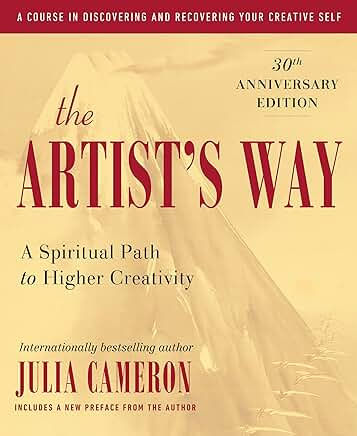
*As an Amazon affiliate I earn from qualifying purchases.


Comments