


How Lighting Changes the Entire Mood of a Room


Lighting is one of those things you don’t always notice—until it’s wrong. A room can be beautifully decorated, thoughtfully arranged, and still feel off simply because the lighting isn’t working. On the flip side, even a simple space can feel warm, inviting, and complete when the lighting is just right.
What makes lighting so powerful is how directly it affects your mood. It influences how colors appear, how textures feel, and even how your body responds within a space. The right lighting doesn’t just help you see—it shapes how you experience a room.
Lighting Sets the Emotional Tone
The first thing lighting does is establish how a room feels emotionally. Bright, cool lighting tends to feel energizing and alert, while soft, warm lighting feels calm and comforting.
But it goes a little deeper than that. Lighting can influence how you behave in a space without you even realizing it. A bright, evenly lit room might make you feel more productive, more talkative, or more “on,” while a softly lit room naturally encourages you to slow down, sit longer, and relax into the moment. It subtly guides your energy.
Think about how different your living room feels during the day compared to late evening. During the day, it might feel like a functional space—somewhere to move through. At night, with just a lamp or two on, it can feel like a retreat. That emotional shift is entirely driven by light. When you become more intentional about matching lighting to the feeling you want, you gain a quiet kind of control over the atmosphere of your home.
Natural Light Changes Everything

There’s something about natural light that no artificial source can fully replicate. It shifts throughout the day, adds dimension to a room, and makes everything feel more alive.
What makes natural light especially powerful is how dynamic it is. It creates subtle shadows, highlights textures, and changes color tones depending on the time of day. Morning light can feel crisp and hopeful, while late afternoon light wraps a room in warmth that feels almost nostalgic.
Even on overcast days, the soft, diffused light can make a space feel calm and gentle.
You can make the most of this by paying attention to how light moves through your home. Try keeping window areas clear, using lighter fabrics for curtains, or even rearranging furniture so you naturally spend more time near natural light. Mirrors and reflective surfaces can also help bounce light around, making a room feel brighter without adding anything artificial. These small adjustments help you stay connected to the outside world, which often makes a space feel more open and less confined.
The Importance of Layered Lighting
One overhead light rarely does a room justice. In fact, relying on a single light source can make a space feel flat, overly bright, or even slightly harsh.
Layered lighting introduces variety and depth by using multiple sources at different heights and intensities. This might include ceiling lights for general brightness, table lamps for softer illumination, floor lamps for reach, and accent lights to highlight specific features. Each layer contributes something different, and together they create a more balanced environment.
The real advantage of layered lighting is flexibility. Instead of one fixed mood, you can adjust your space depending on what you need. You might use all light sources during the day when you need clarity and energy, then gradually turn off the brighter ones in the evening, leaving just a few soft lights on. This transition helps your space feel more natural and responsive, rather than static. It also prevents that all-or-nothing feeling where a room is either too bright or too dim.
Warm vs. Cool Light Matters More Than You Think
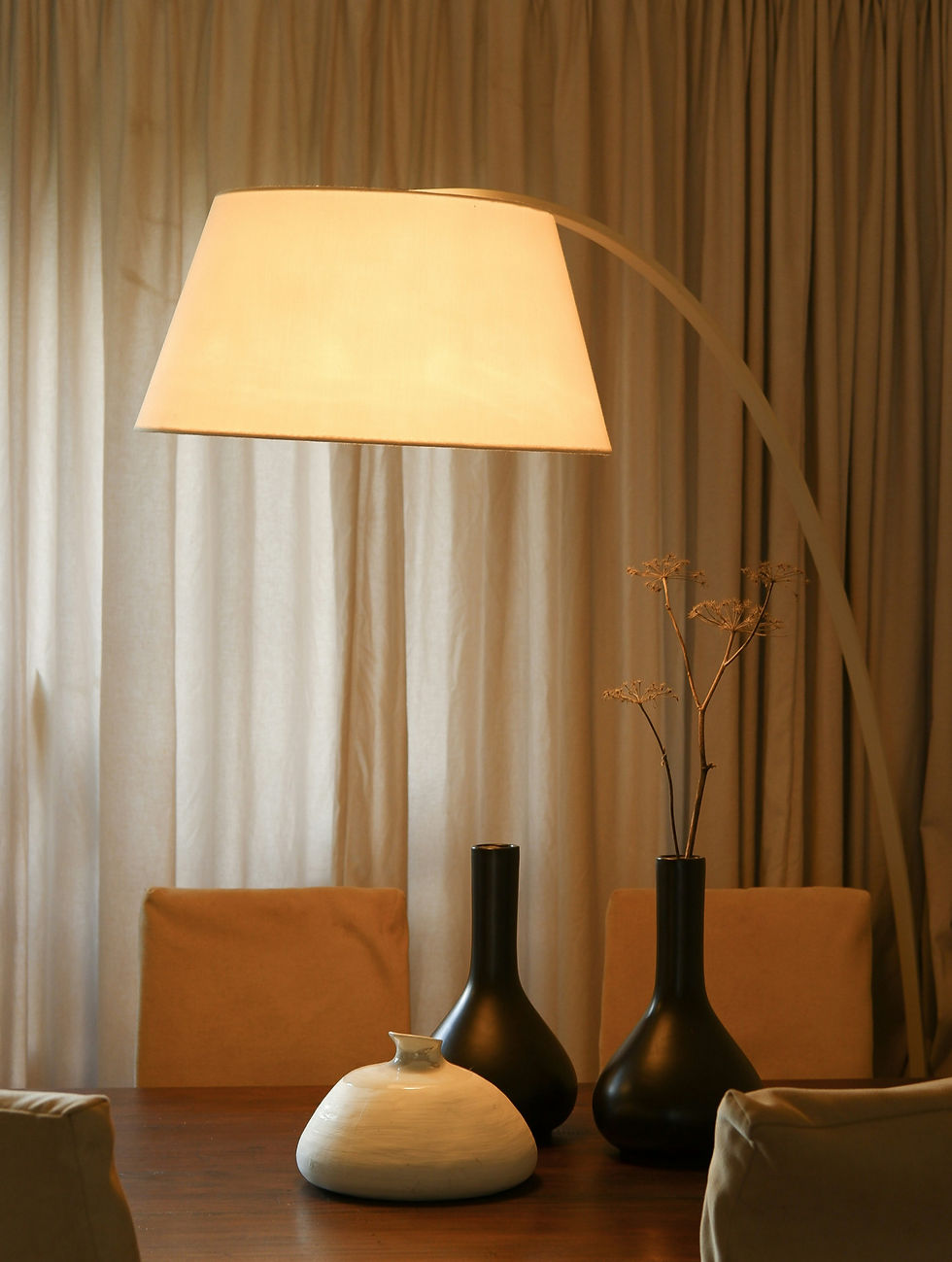
Not all light is created equal. The temperature of the light—whether it leans warm or cool—has a significant impact on how a space feels, often in ways people don’t immediately recognize.
Warm light has a golden, slightly amber tone that softens a room. It tends to make colors feel richer and spaces feel more relaxed and inviting. This is the kind of light that makes you want to curl up on the couch or linger a little longer at the table.
Cool light, on the other hand, is brighter and more neutral or blue-toned. It sharpens details and makes a space feel clean and energized. This can be helpful in areas where you need focus, but if overused, it can make a home feel a bit sterile or overly clinical.
The key is using both intentionally. You don’t have to choose one for your entire home—different rooms can serve different purposes. When the light temperature aligns with how you want to use the space, everything feels more comfortable and intuitive, even if you can’t quite explain why.
Lighting Highlights What Matters
Good lighting doesn’t just illuminate a room—it directs attention. It quietly tells your eyes where to go and what to notice.
A well-placed lamp can turn an ordinary chair into a cozy reading spot. A small spotlight or accent light can make artwork feel more meaningful. Even something as simple as a candle can create a focal point that draws you in and adds a sense of intention.
This is especially useful if a room feels a little disorganized or unfinished. Instead of changing everything, you can use lighting to emphasize the areas you want to stand out. Over time, this creates a sense of structure and purpose. The room begins to feel more put together, not because everything is perfect, but because your attention is being guided in a thoughtful way.
Shadows and Contrast Add Depth

It might seem like more light is always better, but a room that’s evenly lit from every angle can actually feel flat and uninspiring.
Shadows and contrast are what give a space depth. When light falls unevenly—soft in some areas, slightly dimmer in others—it creates layers that make the room feel more interesting and comfortable. These variations mimic natural lighting conditions, which is part of why they feel so appealing.
A softly lit corner, a gentle shadow behind furniture, or a dimmer area near the edges of a room can all contribute to a sense of calm. They create a more intimate atmosphere and give your eyes a place to rest. Instead of everything demanding attention at once, the room feels quieter and more balanced.
Small Changes Can Have a Big Impact
One of the most encouraging things about lighting is how simple it is to change. You don’t need to invest in a full redesign to see results.
Something as small as swapping a bulb for a warmer tone, adding a lamp to a darker corner, or changing the placement of an existing light can completely shift the feel of a room. Even turning off one overhead light and relying on softer sources can make the space feel instantly more relaxed.
Because these changes are quick and low-commitment, you can experiment easily. Try different combinations, notice how they feel, and adjust as needed. Over time, you’ll start to understand what kind of lighting makes you feel most at ease, and that awareness alone can transform your space.
Lighting Affects How You Feel Physically
Beyond how a room looks, lighting also has a direct impact on how you feel physically. Your body responds to light cues in ways that influence energy, focus, and relaxation.
Bright, cool lighting can stimulate alertness and help you feel more awake, which is useful during the day or when you’re working. Softer, warmer lighting in the evening helps signal to your body that it’s time to wind down, making it easier to relax and eventually rest.
When lighting doesn’t match what your body needs—like harsh lighting late at night or dim lighting when you’re trying to concentrate—it can create subtle discomfort. Aligning your lighting with your natural rhythms helps your space feel more supportive and less draining over time.
Let Lighting Work With Your Life

The most effective lighting setups aren’t just aesthetically pleasing—they adapt to your lifestyle. Your needs change throughout the day, and your lighting should be able to shift with them.
That might mean using brighter lighting in the morning to feel energized, then gradually transitioning to softer lighting in the evening. It could also mean having different lighting options for different activities—reading, relaxing, entertaining, or working.
When you give yourself options, your space becomes more flexible and more intuitive. Instead of adjusting your behavior to fit the room, the room adjusts to support you. That shift makes a home feel more comfortable and lived-in in the best way.
It’s Not Just About the Light—It’s About the Feeling
At the end of the day, lighting isn’t really about fixtures or bulbs. It’s about how a space makes you feel when you’re in it.
The right lighting can make a room feel calm, cozy, energized, or focused. It can turn a simple space into somewhere you actually want to spend time.
And often, the shift doesn’t require much. A softer glow, a second light source, a little attention to warmth and balance—that’s sometimes all it takes to change the entire mood of a room.
LEARN MORE:

*As an Amazon affiliate I earn from qualifying purchases.


Comments