


Cooking Terms Explained (Sauté, Simmer, Braise, and More)

Updated: 7 days ago

If you’ve ever followed a recipe and paused halfway through because you weren’t quite sure what a word meant, you’re not alone. Cooking terms can feel like a different language at first—sauté, simmer, braise, fold, deglaze—but once you understand them, everything in the kitchen starts to make more sense.
The good news is that most cooking terms are actually pretty simple. They’re just shorthand for specific techniques. Once you learn what they mean (and what they should look like while you’re cooking), you’ll feel more confident and less dependent on exact instructions.
This guide walks through the most common cooking terms in a practical, easy-to-understand way—so you can recognize them, use them, and cook with more ease.
Sauté

Sautéing means cooking food quickly in a small amount of oil or fat over medium-high heat.
What it looks like:
Food cooks in a single layer
You hear a steady sizzle (not a quiet hiss)
Ingredients are stirred or tossed frequently
Best for:
Vegetables
Small pieces of meat
Garlic and onions
Sautéing is all about speed and heat. The goal is to cook food quickly while developing a bit of browning for flavor. If the pan isn’t hot enough, the food releases moisture and starts to steam instead. If it’s too hot, things burn before they cook through.
Tip: Preheat your pan first, then add oil, then food. Let ingredients sit briefly before stirring so they can brown.
Sear

Searing is about creating a deep brown crust on the outside of food, usually meat.
What it looks like:
Very hot pan
Food makes a strong sizzling sound on contact
A dark golden-brown crust forms
Best for:
Steak
Chicken
Pork
Searing creates flavor through browning. That crust adds texture and depth to the final dish. After searing, many recipes continue cooking the food using another method like roasting or braising.
Tip: Pat meat dry before searing—moisture prevents browning.
Roast

Roasting uses dry heat in the oven, typically at higher temperatures.
What it looks like:
Even browning across the surface
Crispy edges and caramelization
Tender interior
Best for:
Vegetables
Meats
Potatoes
Roasting works because hot air circulates around the food, allowing it to brown evenly. Vegetables like carrots and potatoes develop a deeper, slightly sweet flavor as their natural sugars caramelize.
Tip: Spread food out on the pan—crowding causes steaming instead of roasting.
Bake

Baking is similar to roasting but usually refers to breads, desserts, and casseroles.
What it looks like:
Even cooking throughout
A structured or set texture
Best for:
Cakes
Cookies
Bread
Casseroles
Baking relies on consistent oven temperature and fairly precise measurements. Small changes can affect texture, rise, and structure.
Tip: Avoid opening the oven frequently—temperature changes can affect results.
Simmer

Simmering means cooking in liquid at a gentle heat—just below boiling.
What it looks like:
Small, slow bubbles rising to the surface
Gentle movement in the liquid
Best for:
Soups
Sauces
Beans
Simmering allows flavors to develop gradually without breaking down ingredients too quickly. It’s ideal for dishes that need time to come together.
Tip: If the liquid is bubbling rapidly, reduce the heat—it should feel calm, not active.
Boil

Boiling is cooking in liquid at high heat with large, rolling bubbles.
What it looks like:
Constant, vigorous bubbling
Steam rising steadily
Best for:
Pasta
Potatoes
Eggs
Boiling is fast and efficient. It’s useful when you want to cook food quickly and evenly, especially starches like pasta.
Tip: Salt your water—it adds flavor from the very beginning.
Steam

Steaming cooks food using the heat from vapor, not direct contact with water.
What it looks like:
Food sits above boiling water
Steam surrounds and cooks it
Best for:
Vegetables
Fish
Dumplings
Steaming helps food retain nutrients, color, and texture. Vegetables stay vibrant and slightly crisp instead of becoming soft and waterlogged.
Tip: Keep an eye on timing—over-steaming can make food mushy.
Poach

Poaching is cooking food gently in liquid at a low temperature.
What it looks like:
Very minimal bubbling
Liquid is mostly still
Best for:
Eggs
Fish
Fruit
Poaching is one of the gentlest cooking methods, making it perfect for delicate foods that might fall apart at higher temperatures.
Tip: The liquid should never reach a full boil—just a gentle heat.
Braise

Braising starts with searing food, then cooking it slowly in liquid.
What it looks like:
Food browned first
Then partially submerged in liquid
Cooked low and slow
Best for:
Tough cuts of meat
Root vegetables
Braising transforms tougher ingredients into tender, flavorful dishes. The searing step builds flavor, while the slow cooking breaks down connective tissue over time.
Tip: Keep the pot covered to maintain moisture and even heat.
Stew

Stewing is similar to braising but with smaller pieces fully submerged in liquid.
What it looks like:
Bite-sized ingredients
Fully covered in liquid
Slow, steady cooking
Best for:
Beef stew
Chicken stew
Vegetable dishes
Because everything is cut into smaller pieces, stews cook more evenly. The liquid becomes part of the final dish rather than just a cooking medium.
Tip: Low and slow cooking produces the best texture and flavor.
Prep and Mixing Terms
These are the terms you’ll see before cooking even begins.
Chop, Dice, and Mince

These all refer to cutting food into smaller pieces.
Chop: Rough, uneven pieces
Dice: Uniform cubes
Mince: Very fine pieces
The size of your cuts affects both cooking time and texture. Smaller pieces cook faster and distribute flavor more evenly, while larger pieces hold their shape.
Tip: Try to keep pieces consistent so they cook evenly.
Slice

Cutting food into thin, flat pieces.
Best for:
Vegetables
Meat
Bread
Slices can vary in thickness depending on the recipe. Thin slices cook quickly, while thicker ones stay more substantial.
Tip: A sharp knife makes a big difference in clean, even slices.
Grate

Shredding food into small pieces using a grater.
Best for:
Cheese
Carrots
Zucchini
Grating increases surface area, which helps food melt or cook more quickly and blend smoothly into dishes.
Zest

Removing the outer peel of citrus fruit (not the white pith underneath).
Best for:
Adding bright, fresh flavor
Zest contains concentrated citrus oils, which add strong aroma and flavor without extra liquid.
Tip: Avoid the bitter white layer under the peel.
Stir

Mixing ingredients in a circular motion.
Used for:
Sauces
Soups
Batters
Stirring helps distribute heat and ingredients evenly and prevents sticking or burning.
Fold

Gently combining ingredients without losing air.
What it looks like:
Scooping from the bottom and turning over
Best for:
Whipped cream
Cake batter
Folding keeps mixtures light and airy, which is important for soft textures.\
Tip: Work slowly to avoid deflating the mixture.
Whisk

Mixing quickly to incorporate air.
Best for:
Eggs
Dressings
Batters
Whisking helps combine ingredients smoothly and can create a lighter texture by adding air.
Finishing and Flavor Terms
Deglaze
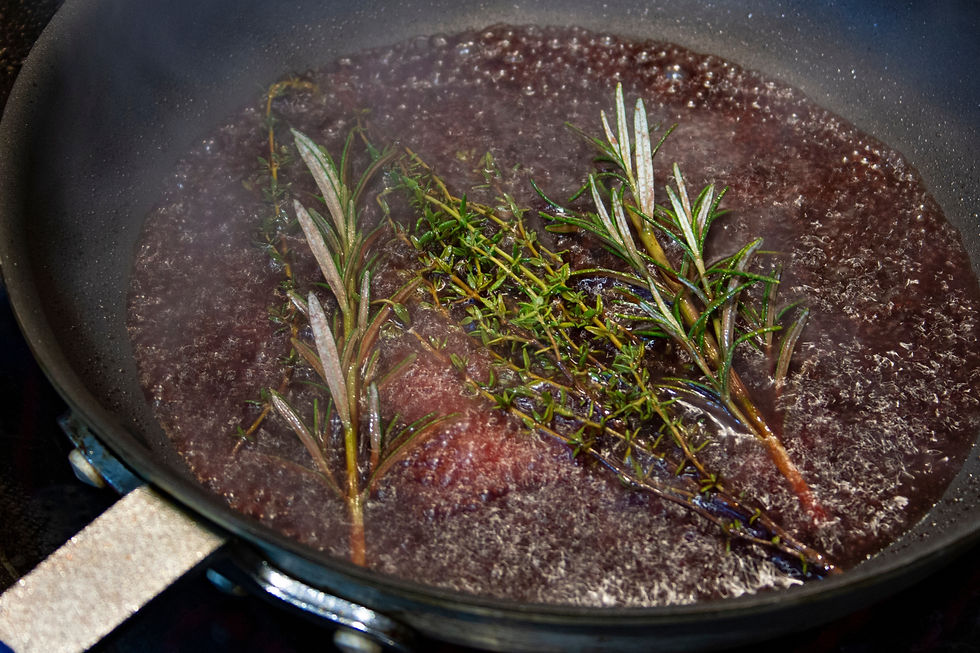
Adding liquid to a hot pan to lift browned bits from the bottom.
What it looks like:
Liquid sizzles immediately
Brown bits dissolve into a sauce
Best for:
Making sauces after cooking meat
Those browned bits are full of flavor and form the base of many simple pan sauces.
Tip: Use broth, wine, or water to loosen them.
Reduce

Cooking a liquid until it thickens and concentrates.
What it looks like:
Liquid decreases in volume
Flavor becomes stronger
Best for:
Sauces
Soups
As liquid evaporates, flavors intensify and the texture thickens naturally.
Season

Adding salt, pepper, or other flavors to enhance a dish.
Seasoning is about balance—salt, acid, herbs, and spices all play a role in bringing out the best in food.
Tip: Taste as you go instead of waiting until the end.
Marinate

Soaking food in a seasoned liquid before cooking.
Best for:
Adding flavor
Tenderizing meat
Marinades often include acid, oil, and spices. They allow flavor to soak into the food before cooking.
Tip: Delicate foods don’t need long—too much time can change their texture.
Learning cooking terms isn’t about memorizing definitions—it’s about recognizing what’s happening in the pan. Once you understand what a simmer looks like, how a sauté should sound, or when something is properly seared, recipes become much easier to follow.
The more you cook, the more these terms become second nature. And eventually, instead of stopping to look something up, you’ll just know what to do next.
That’s when cooking starts to feel less like following instructions—and more like something you actually understand.
LEARN MORE:
*As an Amazon affiliate I earn from qualifying purchases.


Comments